Briefing
- Continental Resources' entry into Venezuela is the most significant signal yet that US-aligned oil majors view the post-Maduro environment as investable, with Harold Hamm among the first western operators to formalise a commercial arrangement with the state oil company.
- Continental signed a preliminary agreement with Venezuela's state-owned oil company to develop and produce oil from at least one undeveloped field.
- The deal follows the US military's seizure of President Nicolás Maduro, which removed the primary political barrier to western investment in Venezuelan hydrocarbons.
- Continental is described as exploring an undeveloped Venezuelan oil field, suggesting the arrangement is at an early appraisal stage rather than a committed capital programme.
- How quickly other western producers follow will depend on the legal and contractual framework Venezuela's transitional authority establishes for foreign operators.
Analysis
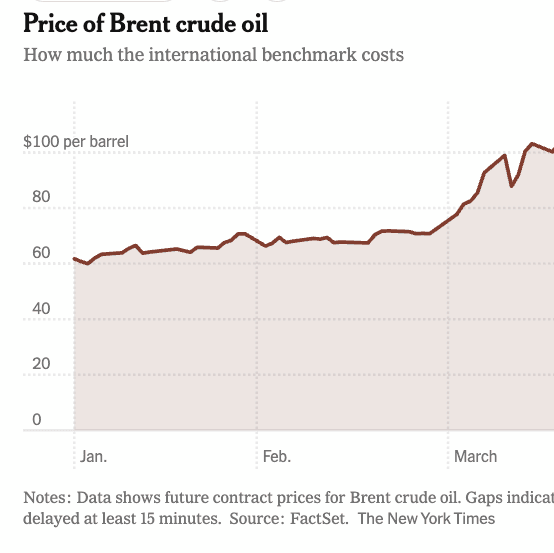
- Venezuelan oil re-entry by US-aligned producers creates a medium-term supply ceiling risk for Brent, but the timeline is too long to offset the current $108 price shock driven by Houthi strikes and US-Iran tanker conflict. Continental's deal is at appraisal stage, meaning no incremental barrels for at minimum 3-5 years. The near-term supply picture remains tight, but the signal will suppress the risk premium embedded in long-dated crude futures as the market prices eventual Venezuelan volume recovery.
- Continental's move accelerates a race among independent US oil producers to establish early-mover positions in Venezuela before a formal legal framework is set, creating near-term M&A and partnership optionality for mid-cap E&P names with Latin America operational experience. The first-mover advantage is real: contractual terms negotiated before a framework is codified typically carry more favorable fiscal terms than post-framework entrants, as seen in post-sanctions Libya and Iraq.
Historical Context
- 2019-2020
The Trump administration's 2019 sanctions on PDVSA collapsed Venezuela's oil output from roughly 1.2 million barrels per day to below 600,000, removing significant Atlantic Basin supply. The production base Continental is now entering reflects years of under-investment and infrastructure decay, underscoring the multi-year lead time before any new western investment yields incremental barrels.
- 2003-2008
Post-sanctions Libya attracted a wave of western E&P entrants after Gaddafi relinquished WMD programs in 2003. Companies that signed early exploration agreements secured materially better fiscal terms than post-2005 entrants, establishing the pattern that first-mover advantage in post-sanctions hydrocarbon states is durable and commercially significant.
Connected Events

Houthi strikes on Saudi infrastructure push oil above $108, a 16-week high
Brent crude above $108 driven by Houthi strikes on Saudi infrastructure creates the price environment that makes Venezuelan appraisal economics viable at early-stage risk, providing the financial rationale for Continental's timing.
Carney hosts global investment summit to redirect capital away from US
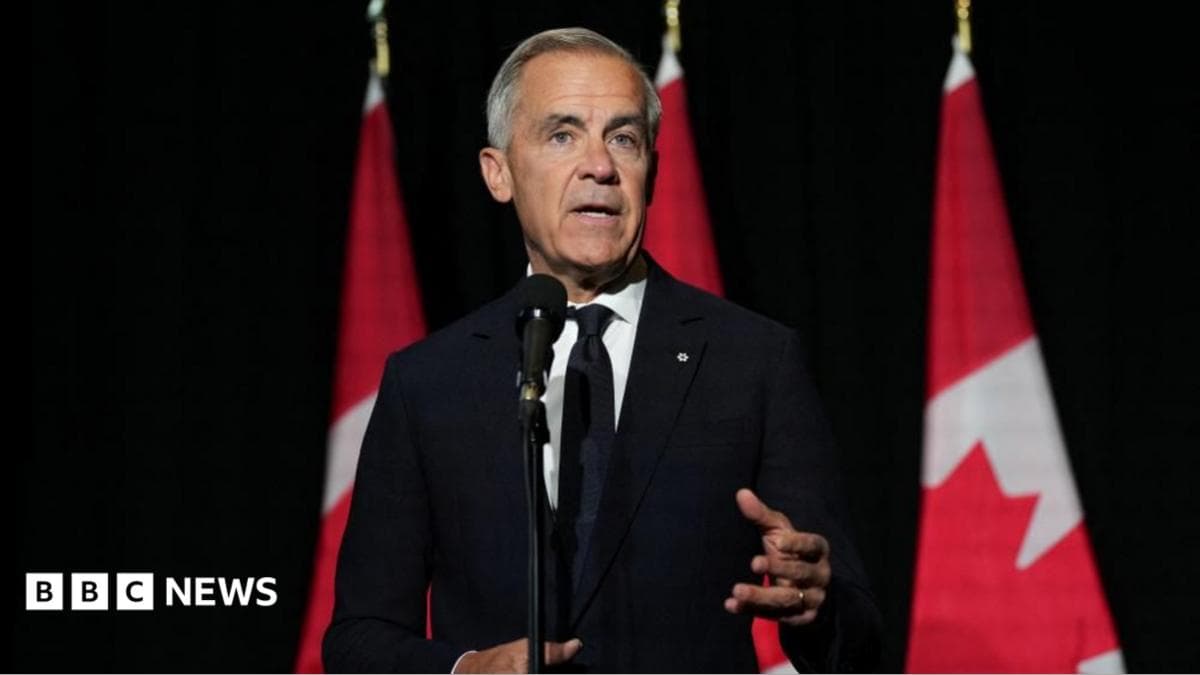
Canada's Carney-led investment summit targeting $1 trillion in foreign capital inflows positions North American resource assets as a bloc competing for the same non-US institutional capital that Venezuelan re-opening will also eventually court, setting up a medium-term allocation contest between stable Canadian resource exposure and higher-risk Venezuelan upside.
Further reading
See Indexa more often on Google
Mark Indexa as a preferred source — your Top Stories will surface more Indexa coverage.