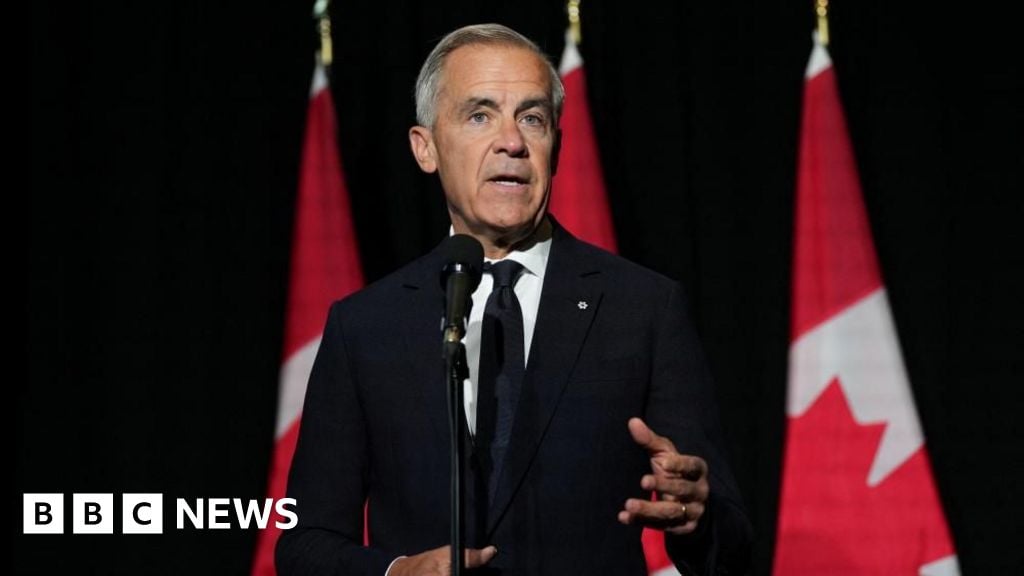
Carney hosts global investment summit to redirect capital away from US
Canada seeks $1tn from investors as US-Canada trade war pushes funds to look for alternatives
Briefing
- Canada is actively courting global institutional investors as a destination for capital, positioning itself as a stable alternative to the US amid an ongoing bilateral trade war.
- The Canadian government, led by Prime Minister Mark Carney, is targeting $1tn in foreign investment inflows, according to the Financial Times.
- Ottawa expressed confidence it can secure concrete deals and memoranda of understanding at the summit, with Foreign Minister Joly publicly backing that outcome.
- Carney indicated that economic activity has already begun to materialise from the summit's convening, suggesting early momentum before formal agreements are signed.
- The forward test is whether non-US capital, particularly from Europe and Asia, follows through with binding commitments rather than soft expressions of interest.
Analysis
- Canadian infrastructure and resource assets become the primary near-term beneficiary if European and Asian institutional capital follows through on the summit's momentum. Canada's pitch is structurally credible: it combines a AAA-adjacent sovereign credit profile, commodity exposure, and a bilateral trade dispute with the US that gives non-American allocators a geopolitical rationale to diversify. The $1tn target is aspirational, but even partial reallocation from US equities and Treasuries into Canadian fixed income and infrastructure would tighten CAD-denominated spreads and support the Canadian dollar.
- US long-duration Treasuries face compounding pressure from two simultaneous developments: Canada actively redirecting non-US capital away from American assets, and Trump's $5,000 dividend pledge widening the perceived deficit trajectory. If European and Asian sovereign wealth and pension funds treat Canada's pitch as actionable, marginal demand for US Treasuries shrinks precisely when supply concerns are already elevating term premium. The combination accelerates the repricing of US fiscal risk without requiring any single large actor to make a decisive move.
Historical Context
- 2022-2023
Post-Ukraine sanctions created the first modern test of large-scale capital redirection away from a G20 economy. European sovereign wealth and pension funds redirected Russian asset allocations into Canadian and Australian resource equities, demonstrating that geopolitical rationale can override pure return optimization in institutional allocation decisions.
- 2018-2019
During the first US-Canada trade dispute under NAFTA renegotiation, Canadian institutional investors and the Bank of Canada flagged risks of capital diversion but foreign inflows into Canadian bonds held steady as the AAA credit profile and commodity exposure attracted European diversification flows, a partial precedent for Carney's current pitch.
Connected Events

Trump pledges $5,000 cash dividend to every US adult if Republicans win midterms
Trump's proposed $5,000 universal cash dividend, if treated as a credible budget item by any Congressional Republican, widens the US fiscal deficit trajectory and adds to term premium on long-duration Treasuries, directly strengthening the relative appeal of Canadian sovereign and infrastructure debt that Carney's summit is marketing to the same non-US institutional audience.
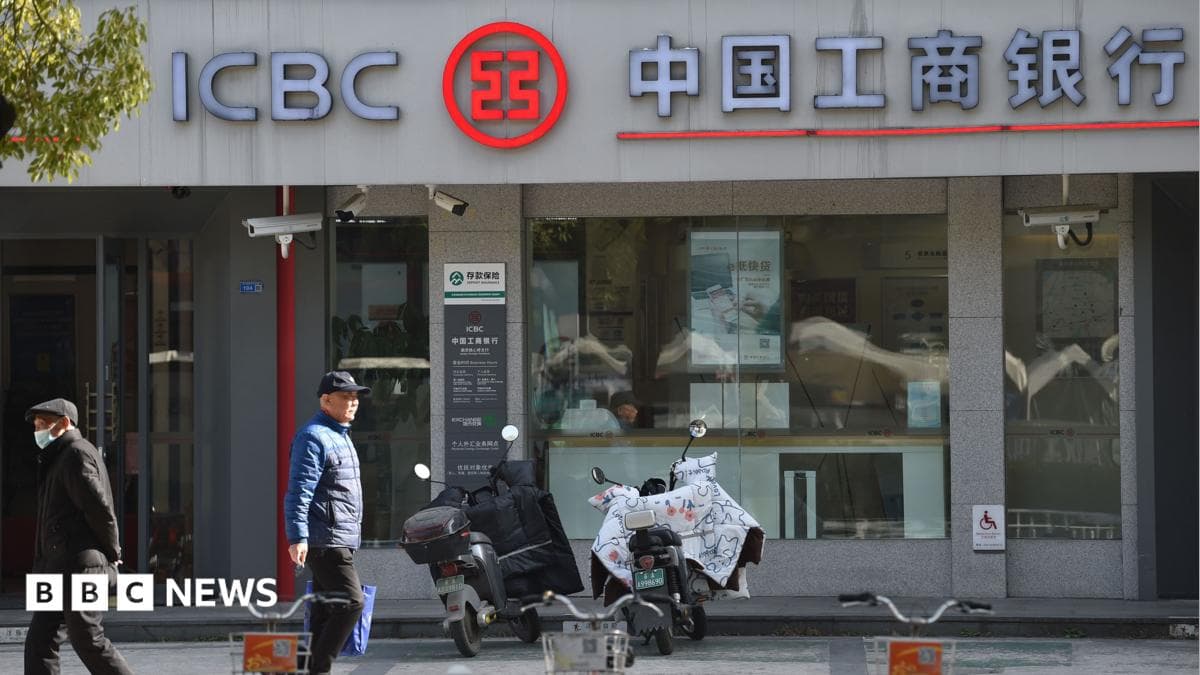
China injects $54bn into state banks and insurers in largest recapitalisation in years
China's $54bn state bank recapitalisation signals Beijing is managing latent domestic financial stress, which historically prompts Chinese sovereign and institutional funds to increase offshore diversification. Canada's summit timing coincides with a moment when Chinese allocators have both the political incentive to reduce US exposure and potential balance-sheet capacity to deploy into alternative G7 markets.
Further reading


See Indexa more often on Google
Mark Indexa as a preferred source — your Top Stories will surface more Indexa coverage.