S&P 500 and Nasdaq rise as markets await Fed rate decision under Warsh
Briefing
- Equity markets advanced ahead of the Federal Reserve's interest rate decision, with the S&P 500 and Nasdaq posting gains while the Dow traded roughly flat.
- Oil prices fell on the session, removing an inflationary overhang that had weighed on risk assets in prior days.
- Treasury yields also retreated, supporting equity valuations as the market priced in the Fed's imminent announcement.
- Sources reference Fed Chair Kevin Warsh by name, indicating markets are focused on his policy stance rather than continuity from prior leadership.
- The rate decision outcome will immediately reprice rate-sensitive sectors; a hike in line with expectations would test whether the equity rally holds or reverses into the close.
Analysis
- A Warsh rate hike confirmed today validates the prior week's yield move and removes the near-term uncertainty discount in Treasuries, but the political aftermath is the live risk. If Trump publicly attacks Warsh post-decision, term premium on the 10-year, already at 5%, faces a second leg higher as institutional investors reprice Fed independence from a resolved variable back to an active one. Rate-sensitive sectors including REITs, utilities, and leveraged finance face the most mechanical transmission.
- Falling oil prices on the session reduce the inflationary overhang that had been the Fed's most politically defensible justification for a hike, but the Costco motor oil rationing and diesel all-time highs reported earlier this week mean the CPI transmission from energy is already embedded in September data. A single session of lower crude does not change the Fed's reaction function; it does, however, modestly relieve pressure on consumer discretionary names that had been pricing sustained fuel-cost drag.
- Intel is the named ticker in this briefing, and the SK Hynix foundry partnership story published earlier today is the operative catalyst. A confirmed rate hike at 5% or above hardens the discount rate applied to Intel's long-dated foundry turnaround thesis, partially offsetting the positive signal from a potential Hynix anchor customer. The net effect compresses the re-rating window: the foundry narrative improves on customer news but the macro rate environment raises the hurdle rate for capital-intensive capacity build-out.
Historical Context
- Sept 2023
The 10-year yield last touched 5% in October 2023, triggering a roughly 10% equity drawdown in the S&P 500 over six weeks before the Fed pivoted to a dovish tone. The transmission was through equity risk premium compression as the risk-free rate made long-duration equities structurally less attractive.
- Aug 2019
Trump publicly attacked Fed Chair Powell repeatedly after rate decisions he opposed, temporarily widening term premium and creating uncertainty about Fed independence. Treasury markets sold off on the political interference episodes before stabilizing once the Fed proceeded with its own policy path.
- 1951
The Treasury-Fed Accord of 1951 established Fed independence after years of Treasury pressure to keep rates low. Investors who recall this precedent treat any credible executive branch interference as a structural risk event requiring a term premium adjustment, not merely a noise event.
Connected Events
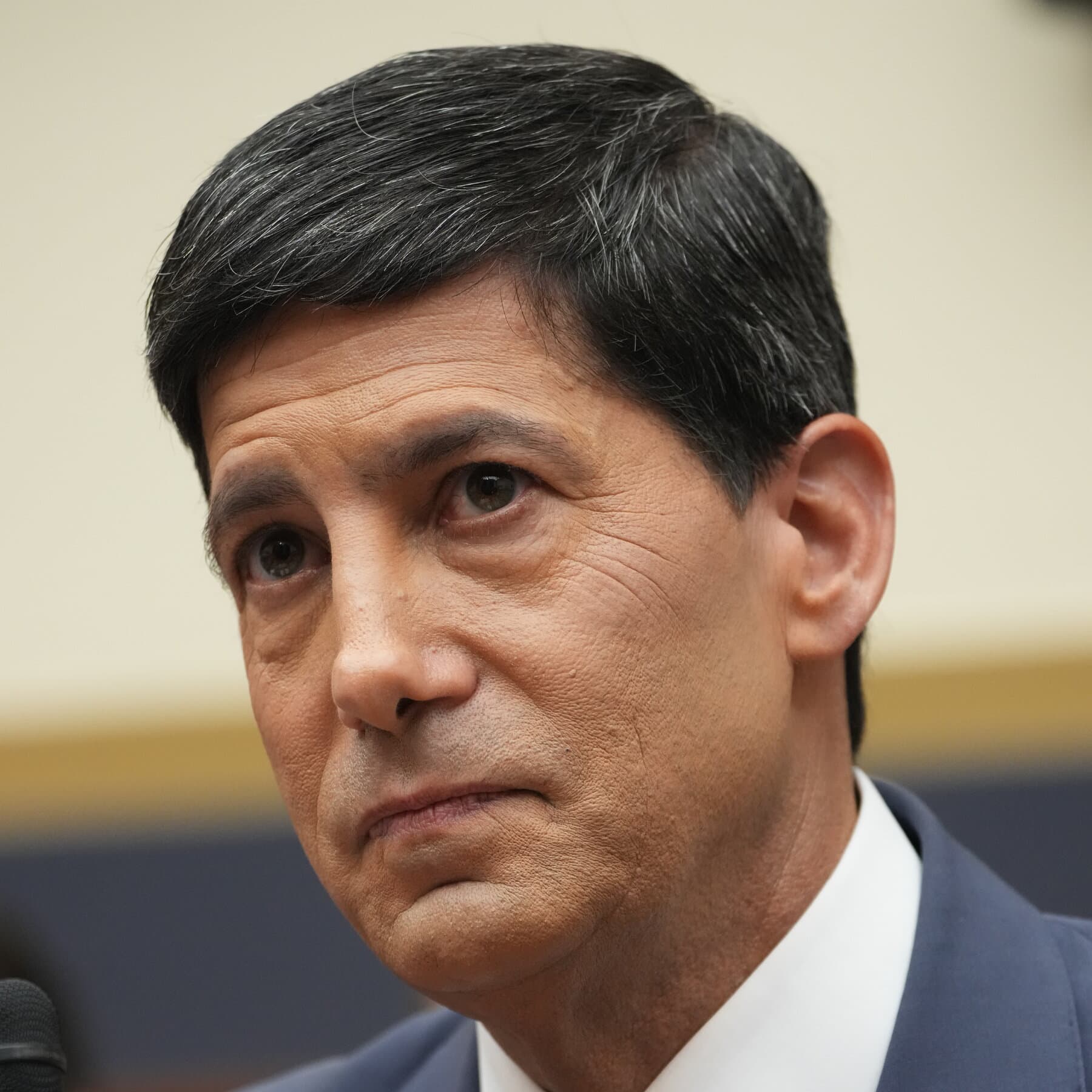
Fed's Warsh Expected to Raise Rates, Defying Trump Ahead of Midterms
Warsh is widely expected to hike despite direct political pressure from the Trump administration, with Wall Street treating the move as a near-certainty following hot inflation data, making today's equity advance a pre-decision relief trade rather than a signal of durable risk appetite.

10-year Treasury yield hits highest level since 2007
The 10-year Treasury yield hitting 5% for the first time since 2007, driven by inflation expectations and Treasury supply concerns, sets the baseline from which any post-decision yield move is measured and directly affects the equity valuation math underlying today's pre-announcement rally.

Bessent blames rising US Treasury yields on 'global issues' in House testimony
Bessent's congressional testimony attributing rising yields to global factors rather than domestic policy, delivered as yields hit fresh highs, creates a political framing conflict with a Warsh hike that further tightens financial conditions the Treasury Secretary publicly attributed to external causes.
Further reading

See Indexa more often on Google
Mark Indexa as a preferred source — your Top Stories will surface more Indexa coverage.