Iran quietly loosens currency controls to channel export earnings via crypto
Exporters can now fund imports directly from overseas earnings, bypassing official foreign-exchange rates and US sanctions architecture.
Briefing
- Iran has quietly relaxed foreign-currency controls to allow exporters to repatriate earnings through crypto, a direct structural workaround to US sanctions on the official financial system.
- Under the revised rules, exporters can use overseas earnings to fund imports directly without first converting foreign currency at official exchange rates, removing a key friction point in Iran's state-controlled FX regime.
- The policy shift is designed to encourage traders to bring hard currency back into the country, addressing a chronic shortage of foreign funds inside Iran.
- No attributable direct quote is available in the sourced reporting.
- The move raises the question of whether other heavily sanctioned economies will adopt similar crypto-facilitated trade settlement frameworks, increasing pressure on the US Treasury's sanctions enforcement machinery.
Analysis
- Stablecoin issuers and compliant crypto exchanges face accelerating regulatory pressure to implement stricter counterparty geo-fencing as Iran's policy shift documents state-level crypto adoption for sanctions evasion at scale. USDT and USDC already face OFAC compliance obligations; Iran's formalised use of crypto trade rails gives Treasury a documented predicate to demand real-time transaction monitoring or blocking from US-nexus stablecoin operators, raising compliance costs and potentially restricting liquidity in emerging-market corridors.
Historical Context
- 2022-2023
Russia turned to crypto and bilateral barter arrangements to route commodity export proceeds after SWIFT exclusion and dollar-clearing blocks. Iran's formalised crypto export channel is a more institutionalised version of the same workaround, confirming that sanctions pressure reliably drives sovereign adoption of alternative settlement rails.
- 2021
OFAC sanctioned Suex, a crypto OTC broker facilitating transactions for sanctioned entities, establishing the precedent that crypto intermediaries carrying sanctioned-country flows are themselves sanctionable. Iran's state-level policy directly tests whether that enforcement perimeter holds when the sovereign itself is the architect of the channel.
Connected Events
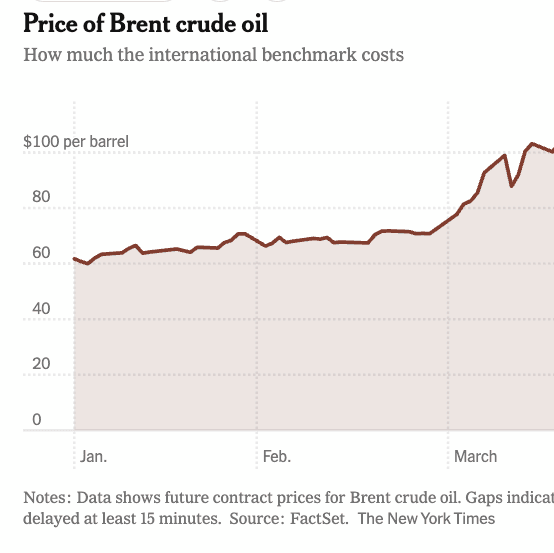
Brent crude breaks $100 as US-Iran war escalates in the Gulf
Brent crude crossing $100 on US-Iran military escalation in the Gulf creates the exact hard-currency shortage pressure that Iran's crypto settlement workaround is designed to address: with oil vessel destruction cutting export revenues, the ability to repatriate remaining earnings via crypto becomes more operationally urgent.

CFTC moves to dismiss CME lawsuit over crypto perpetual futures
The CFTC's move to dismiss CME's lawsuit over crypto perpetual futures, combined with the Robinhood-OG prediction markets deal, signals that US regulators are simultaneously expanding domestic crypto product authorisation while Iran exploits the same infrastructure for sanctions evasion, creating a policy coherence problem for Treasury and the CFTC.
Further reading



See Indexa more often on Google
Mark Indexa as a preferred source — your Top Stories will surface more Indexa coverage.
