Briefing
- Meta's AI agent programme is advancing more slowly than Zuckerberg anticipated, a significant concession from a CEO who has staked the company's strategic direction on autonomous AI systems.
- The admission came at an internal town hall, where Zuckerberg told staff directly that progress had not matched expectations.
- The disclosure follows Meta's recent round of layoffs affecting 8,000 employees, sent via what staff described as '4 AM emails', compounding internal morale concerns.
- Zuckerberg indicated the job situation could improve if companies, including Meta, concentrated more resources on AI development, linking headcount decisions to the pace of AI progress.
- Investors and analysts will now scrutinise whether Meta's heavy AI capital expenditure is producing the productivity and product gains that justified the cuts to its workforce.
Analysis
- Meta's AI agent delay directly undermines the ROI narrative that justified eliminating 8,000 roles and accelerating capex, creating a credibility gap that will intensify scrutiny at the Q2 earnings print. If Zuckerberg cannot demonstrate that AI infrastructure spend is compressing into measurable product or productivity gains, investors will reprice the capex cycle the same way they repriced Microsoft's, which erased over $570bn in market cap in June. The cloud monetisation plan, already reported to have hit an early snag, now looks more speculative.
- The AI agent setback compounds the already-live concern that hyperscaler AI capex is not converting to deployable products on schedule. Ford's operational reversal on AI quality inspection, Microsoft's $570bn drawdown, and now Zuckerberg's admission form a pattern that gives institutional investors a coherent thesis for discounting the entire AI-productivity narrative. Semiconductor stocks, already at 19.7% of S&P 500 weight, face incremental multiple pressure if the largest model-deployers signal slower-than-expected product velocity.
Historical Context
- June 2026
Microsoft's worst monthly stock decline since 2000 erased over $570bn in market cap driven by investor anxiety over AI capex with uncertain returns. Meta's admission of AI agent delays activates the same analytical framework: heavy capital deployment without near-term product evidence forces multiple compression.
- June 2026
Ford rehired 350 veteran quality engineers after AI inspection tools failed to match human diagnostic capability, providing a concrete operational precedent for AI substitution falling short of expectations. That reversal now sits alongside Zuckerberg's admission as a second named data point against AI productivity timelines.
- 2022-2023
Meta's first major capex credibility crisis came during the metaverse buildout, when Reality Labs losses exceeding $13bn annually prompted a stock collapse of roughly 65% before Zuckerberg pivoted to AI efficiency. Investors have a direct precedent for how they price Meta capex narratives that miss delivery milestones.
Connected Events

Meta plans cloud business to monetise surplus AI compute capacity
Meta's cloud business plan, which caused a 9.3% share price surge before hitting an immediate reported snag, is now doubly pressured: the surplus compute capacity being sold externally was predicated on internal AI workloads running at scale, which the agent delay calls into question.
Microsoft on track for worst monthly stock decline since 2000
Microsoft's $570bn June drawdown was driven by identical investor anxiety over AI capex without measurable product return. Zuckerberg's town hall admission gives portfolio managers a second hyperscaler data point to anchor a sector-wide AI delivery discount.
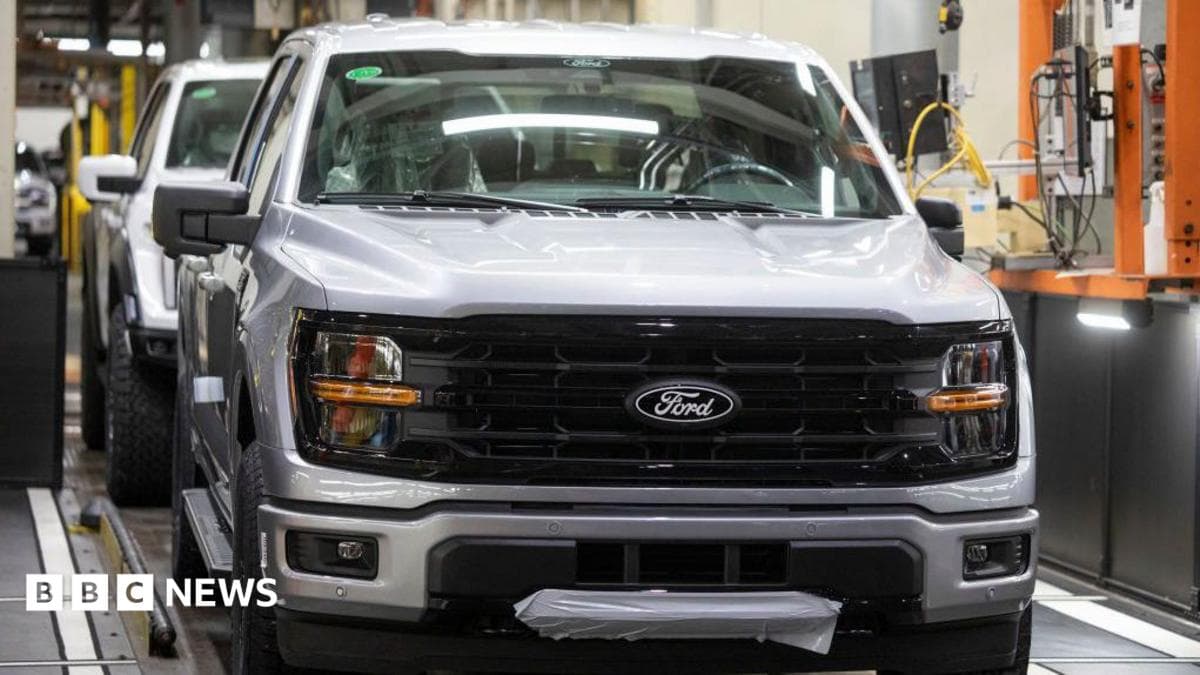
Ford rehires 350 veteran engineers after AI quality checks fall short
Ford's rehiring of 350 veteran engineers after AI quality checks failed establishes a cross-sector pattern of AI substitution timelines slipping, giving investors a manufacturing-sector analogue to Meta's software-side agent delay.
Further reading


See Indexa more often on Google
Mark Indexa as a preferred source — your Top Stories will surface more Indexa coverage.
