Briefing
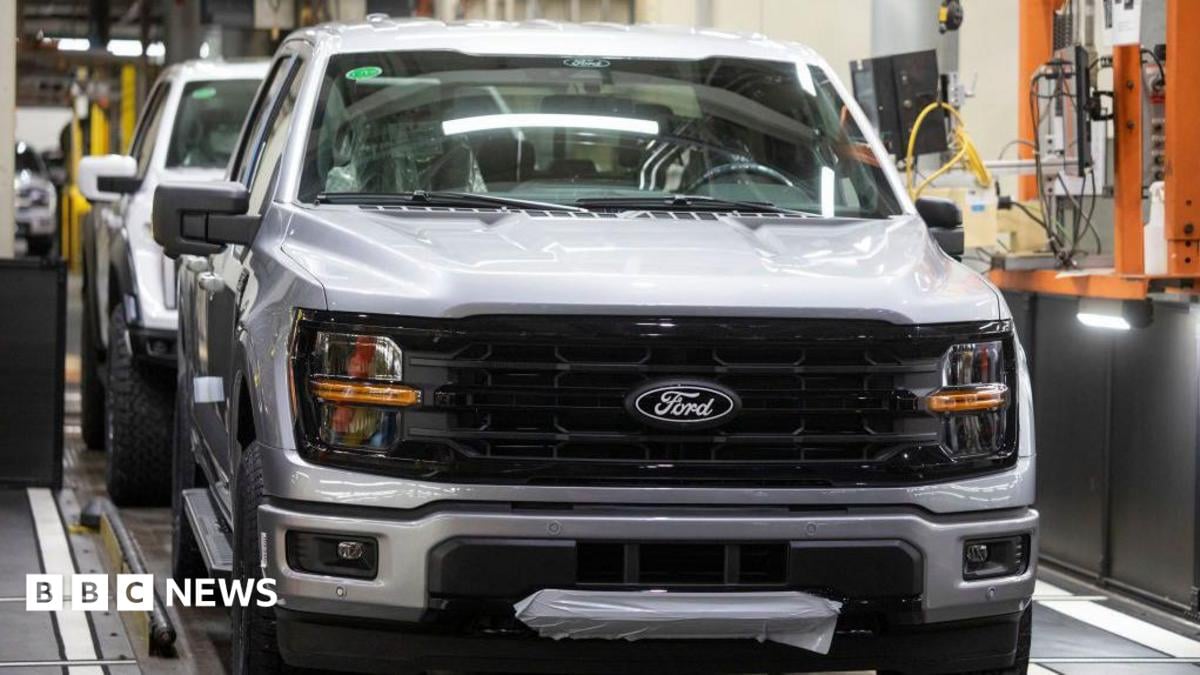
- Ford has been rehiring veteran quality-control engineers after over-reliance on AI tools degraded vehicle quality, marking a concrete operational reversal rather than a marginal adjustment.
- The company has brought back approximately 350 experienced engineers, referred to internally as 'gray beard' technicians, specifically to address quality inspection failures.
- AI-driven quality checks were found to be unable to match the diagnostic capability of seasoned human inspectors across Ford's production process.
- The decision signals that Ford's earlier workforce reductions in quality roles, predicated on AI substitution, did not deliver the expected outcomes.
- For the broader auto sector, the episode raises direct questions about the pace at which AI inspection tools can replace skilled trades on manufacturing lines, and may slow similar programmes at rival OEMs.
Analysis
- Rival OEM quality-automation programmes face a credibility discount as Ford's reversal provides a concrete, named data point against AI substitution of skilled quality inspectors. GM, Stellantis, and Toyota, all of which have publicised AI-driven manufacturing efficiency initiatives, now face investor and labour-relations pressure to either validate AI inspection ROI with measurable defect-rate data or risk similar operational reversals. Ford's rehiring of 350 engineers signals the productivity loss was material enough to override the headcount savings.
- AI-for-manufacturing software vendors face a narrowing of their total addressable market narrative in industrial quality control. Ford's episode supplies a referenceable failure case that procurement teams at manufacturers can now cite in vendor negotiations or capital budgeting reviews, slowing deal velocity for computer vision and defect-detection platforms sold into auto assembly. This compounds the BIS warning on AI investment exuberance by adding an operational proof point to the financial risk framing.
Historical Context
- 2023-2024
Multiple automakers, including Ford and GM, announced significant white-collar and engineering layoffs framed around AI and software efficiency gains. Ford cut roughly 3,000 salaried roles in 2023 partly on this rationale. The rehiring of 350 quality engineers is a direct operational correction to that headcount thesis, with quality defects as the measurable consequence.
- 2015-2016
Volkswagen's emissions scandal exposed the limits of automated compliance systems when human oversight was removed from critical inspection functions. Regulatory fines exceeded $30bn globally. The Ford episode echoes the structural risk of over-relying on automated or algorithmic checks in manufacturing quality roles without maintaining skilled human verification capacity.
Connected Events

BIS warns AI investment boom could trigger sharp global financial crash
The BIS annual report warning that AI investment exuberance could trigger a financial crash, citing funding concentrated outside regulated supervisory perimeters, now has an operational counterpart: Ford's reversal shows AI substitution is also failing at the production floor level, not just in financial return calculations.

British American Tobacco cuts 9,000 jobs in major restructuring
BAT's restructuring, explicitly framed as becoming 'technology enabled' through automation and outsourcing of nearly 9,000 roles, is proceeding on the same AI-substitution logic that Ford has now publicly reversed. Investors pricing BAT's cost savings should treat Ford's rehiring as a risk factor for the net realisation of BAT's automation-driven margin improvement.
Further reading


See Indexa more often on Google
Mark Indexa as a preferred source — your Top Stories will surface more Indexa coverage.