US Gasoline Crosses $4 as Iran War Chokes Hormuz Shipping
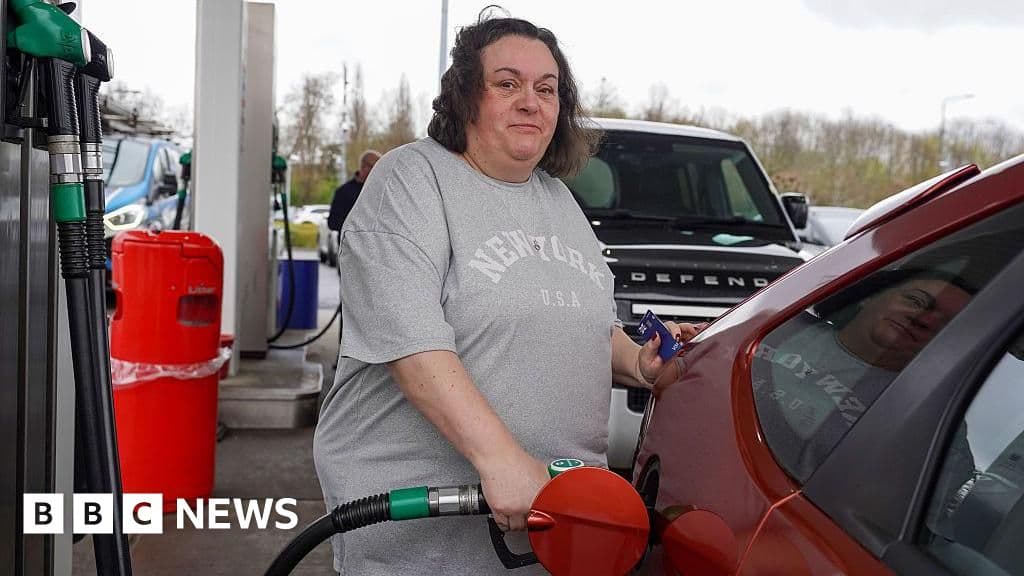
The US national average gasoline price reached $4.02 per gallon on Tuesday, according to AAA, the highest level since August 2022 and a threshold that carries both economic and political weight for the Trump administration.
The move has been swift and steep. The national average stood at $2.98 a month ago, meaning pump prices have risen more than 34% in thirty days. The proximate cause, identified consistently across Reuters, Forbes, and the Associated Press, is the US war with Iran and the resulting disruption to oil shipments through the Strait of Hormuz, the chokepoint through which roughly a fifth of globally traded oil passes.
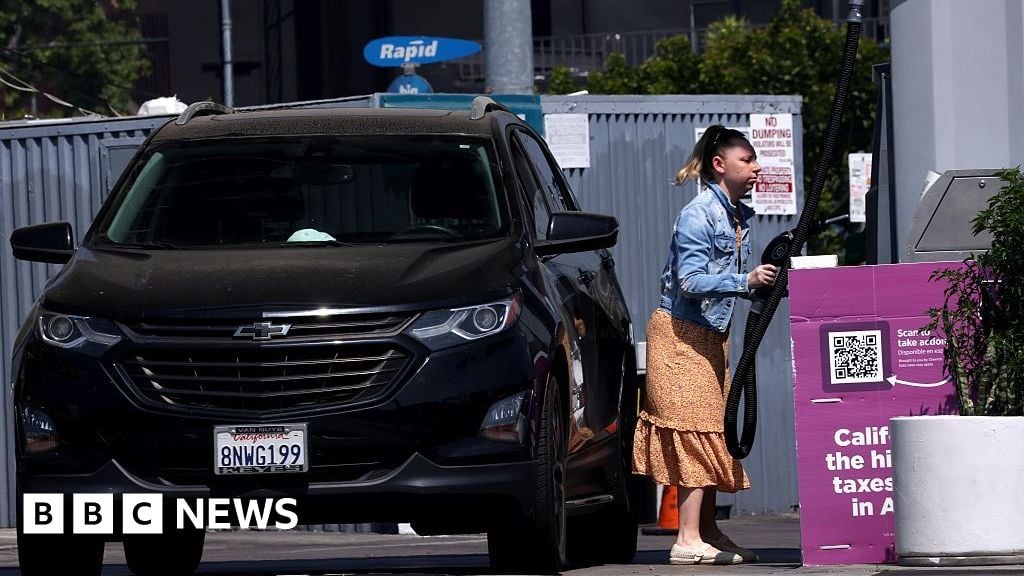
Regional variation is acute. Prices in Los Angeles have reached $6 per gallon, according to the Los Angeles Times, while the national floor remains closer to $5 in parts of the country. The spread reflects differences in state taxes, refinery capacity, and local supply chain exposure to seaborne crude.
For the Trump administration, $4 gasoline is an uncomfortable data point. The president entered office promising to lower energy costs, and the White House had pointed to lower pump prices as early evidence of success. The New York Times described the current level as a "headache" for both drivers and Trump. CNN noted separately that any exit from the Strait of Hormuz conflict would not automatically reverse prices, given pipeline constraints and refinery lag times.
The broader macroeconomic read is straightforward: fuel costs at this level act as a consumption tax on households, compress discretionary spending, and feed into transportation-linked inflation across supply chains. Whether the Federal Reserve treats this as a transitory supply shock or a durable inflation input will shape the policy debate in coming weeks.