Oil Prices Surge as Iran Conflict Spreads and Supply Fears Deepen
Oil prices have climbed sharply over the past week, with Brent crude on track for its largest monthly percentage gain on record as the US-Israeli war with Iran enters its fifth week. WTI crude settled above $100 a barrel for the first time since 2022, a threshold breached after President Trump said he wanted to "take the oil" in Iran, according to CNN.
The conflict has broadened significantly. Iran-backed Houthi rebels in Yemen entered the war over the weekend by striking Israel, pushing oil up more than 3% in a single session, per CNBC. Houthi attacks have widened Gulf disruption, compounding fears of a sustained supply shock. Oil cargo prices have surged to their highest level since 2008, Bloomberg reported, as traders price in the risk of prolonged disruption to Gulf shipping lanes.
WTI briefly traded at a premium to Brent following Trump's speech on Iran, an unusual inversion that Barron's attributed to market expectations of restricted Iranian crude reaching global markets combined with US domestic supply uncertainty. US crude also recorded its biggest single-day price increase in six years, according to NBC News.
A brief pullback materialised on 31 March after Bloomberg reported signs from both Washington and Tehran of openness to a war resolution, but the retreat proved short-lived as Trump subsequently doubled down on the military campaign.
**Market fatigue with presidential signalling**
CNN reported that energy markets have begun to discount Trump's statements after repeated bouts of whiplash, with traders caught between de-escalation hints and renewed hawkish turns. The pattern has made positioning increasingly difficult, with price action now driven more by physical supply indicators than by diplomatic signals from the White House.
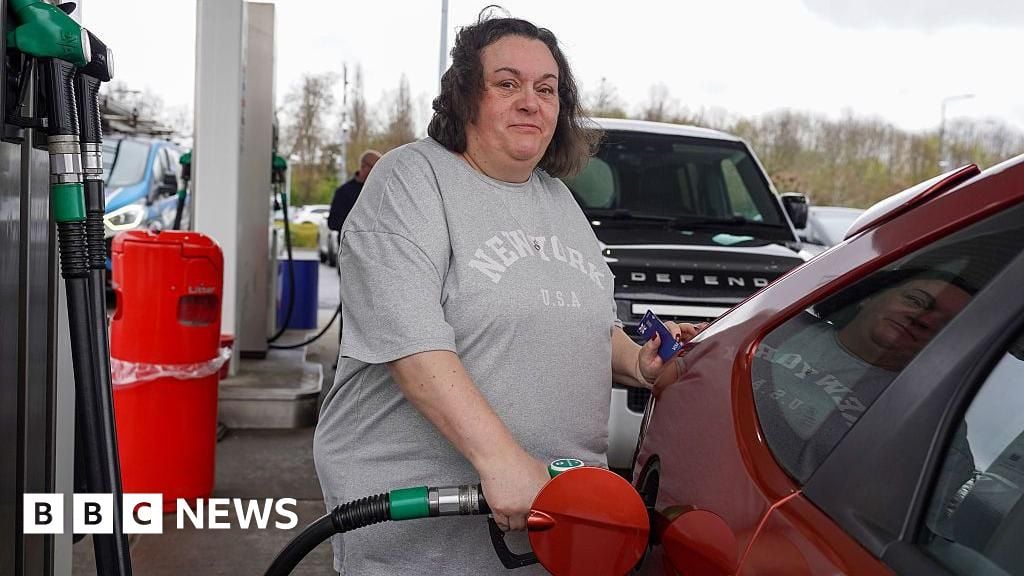
The New York Times cited oil at $115 a barrel as the latest economic toll of the conflict, with analysts at CNBC warning that the next few weeks of war will be decisive for the broader economic outlook. Retail gasoline prices have continued to rise alongside crude benchmarks, Fox Business noted, suggesting the conflict's cost is beginning to register for consumers beyond financial markets.
With the Strait of Hormuz adjacent to the conflict zone and Houthi attacks disrupting Red Sea traffic, the supply-side case for elevated prices remains structurally intact for as long as fighting continues.