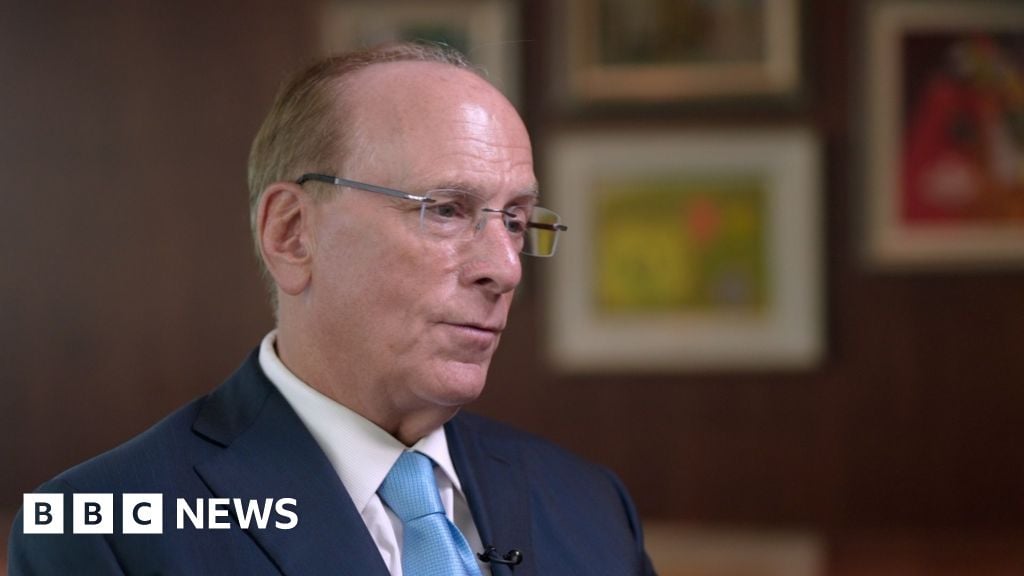
BlackRock CEO Larry Fink has framed the Iran conflict as the defining macro variable for the global economy, telling the BBC that the outcome will be one of two extremes: a swift resolution that drives oil down to $40 a barrel and opens a period of growth, or a prolonged confrontation that pushes oil to $150 and tips the world into recession.
Fink said sustained high oil prices would have "profound implications" for the global economy. The $150 threshold, if reached and maintained, would represent roughly double current levels and a price point widely regarded by economists as recessionary.
Moody's chief economist Mark Zandi, cited across multiple outlets, put US recession risk at close to 50 per cent — elevated even before the conflict, he noted, and now rising further. Goldman Sachs has revised its recession odds upward to 30 per cent, citing higher inflation and a weaker GDP outlook as oil prices surge.
BlackRock President Robert Kapito separately warned that investors are mispricing the risks arising from the Iran situation, according to Bloomberg, adding institutional weight to Fink's public comments.
The remarks from the world's largest asset manager — BlackRock oversees more than $11 trillion — carry particular resonance given the firm's influence over institutional portfolio positioning globally. Fink's framing of the binary outcome offers portfolio managers little middle ground: the scenario set is compressed into a resolution trade or a recession hedge.