Briefing
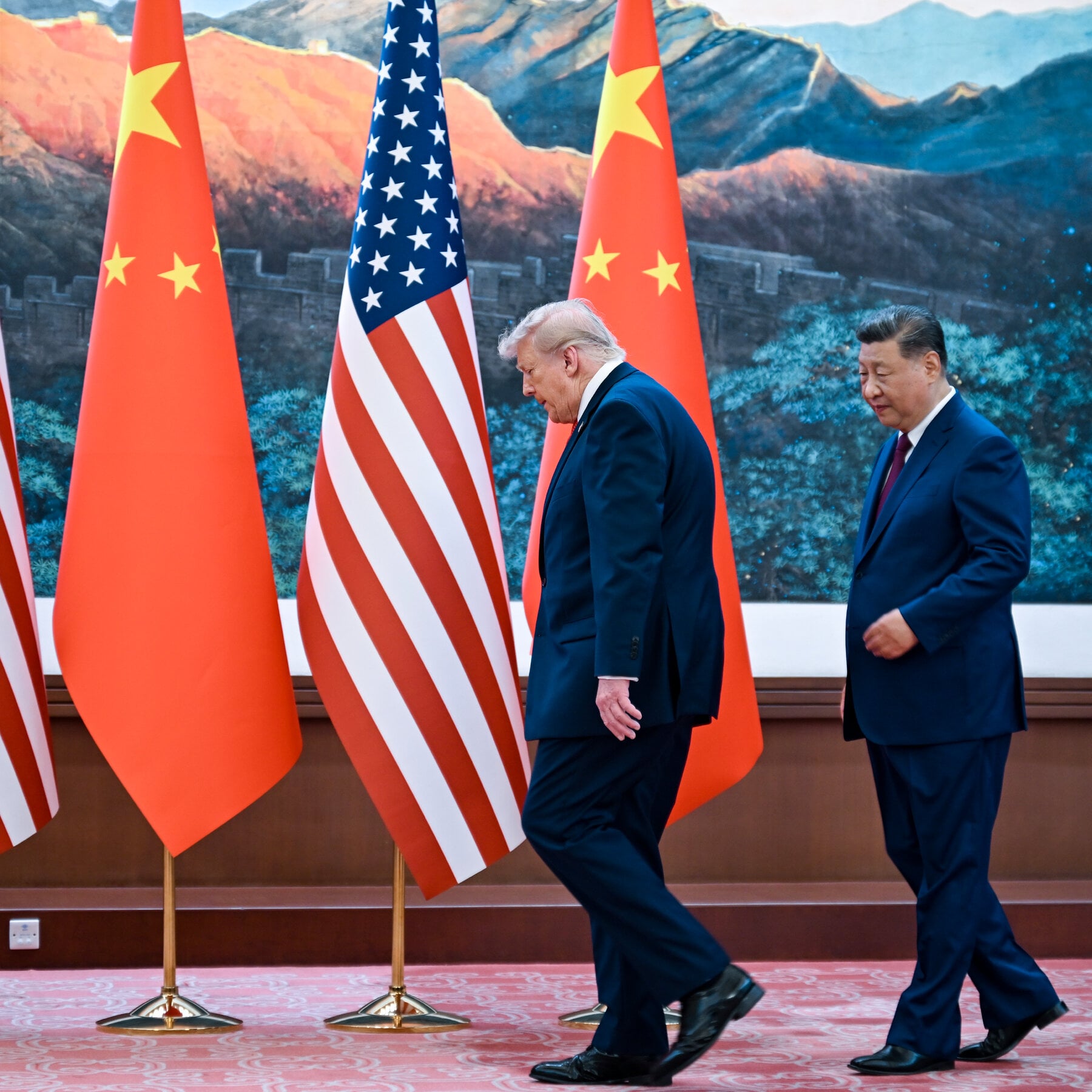
- Chip stocks fell after the U.S.-China summit concluded without any major technology deals, making semiconductor equities the clearest market casualty of the meeting.
- Both leaders declared the summit a success, but analysts and multiple outlets identified no substantive wins for the U.S. Side on trade or technology access.
- Differences on Iran and Taiwan remained unresolved at the close of talks, leaving two of the most sensitive bilateral fault lines intact.
- The U.S. Executive delegation, which included top CEOs, departed China with potential deals described as pending rather than signed, sustaining uncertainty for companies such as Boeing, Tesla, and Nvidia that had been flagged as prospective beneficiaries.
- Markets face a period of ambiguity: no framework deal was announced, meaning tariff and export-control baselines are unchanged and corporate planning timelines for China exposure remain unresolved.
Analysis
- Nvidia and the broader semiconductor sector face a sustained overhang as the summit produced no export-control relief, leaving the China revenue ceiling intact. The stock had rallied sharply into the meeting on expectations of technology deal progress; with no framework announced, the pre-summit positioning unwinds without a catalyst to replace it. This is compounded by the higher-for-longer rate environment under Warsh, which compresses long-duration growth multiples independently of the China outcome.
- Boeing and Tesla remain in a holding pattern with no signed deals from the delegation trip, sustaining uncertainty on China order and delivery timelines that were already under pressure from tariff baselines. For Boeing, the absence of a framework deal means Chinese airline customers cannot formally advance large-aircraft orders; for Tesla, market-access conditions in China are unchanged, leaving its local competitive position exposed to BYD and SAIC without diplomatic tailwinds.
- The rare earth and critical minerals dynamic is reinforced rather than resolved by the summit: with no deal on technology or trade, China retains full leverage over export curbs on rare earths, and the Pentagon's Deal Team Six faces unchanged structural constraints. Defence and clean-energy supply chains with rare earth input dependencies remain exposed, and the prior implication that processing capacity cannot be replicated quickly is unaffected by summit rhetoric about success.
Historical Context
- Oct 2022
Biden administration's sweeping semiconductor export controls, including the foreign direct product rule expansion, demonstrated that unilateral US action rather than bilateral negotiation is the dominant mechanism for setting chip access baselines, making summit-level technology deals structurally difficult to achieve.
- May 2019
Huawei entity-list designation was announced days after the breakdown of US-China trade talks, showing that technology-sector consequences of failed bilateral negotiations can be sudden and unilateral rather than gradual, amplifying chip-stock sensitivity to summit outcomes.
- Dec 2018
The Trump-Xi Buenos Aires dinner produced a 90-day tariff truce framed by both sides as a breakthrough. Markets rallied sharply, but the absence of binding commitments led to renewed escalation within months, establishing a pattern where summit optics outpace deliverables and subsequent selloffs erase relief rallies.
Connected Events

S&P 500 and Nasdaq hit records as Dow reclaims 50,000 on AI and China optimism
The S&P 500 and Nasdaq hit records on May 14 partly on China summit optimism, with Nvidia as the primary driver. The summit's failure to deliver technology deals directly contradicts the rally's stated catalyst, raising reversal risk in names that priced geopolitical relief rather than earnings.
Pentagon forms 'Deal Team Six' to break China's rare earth dominance
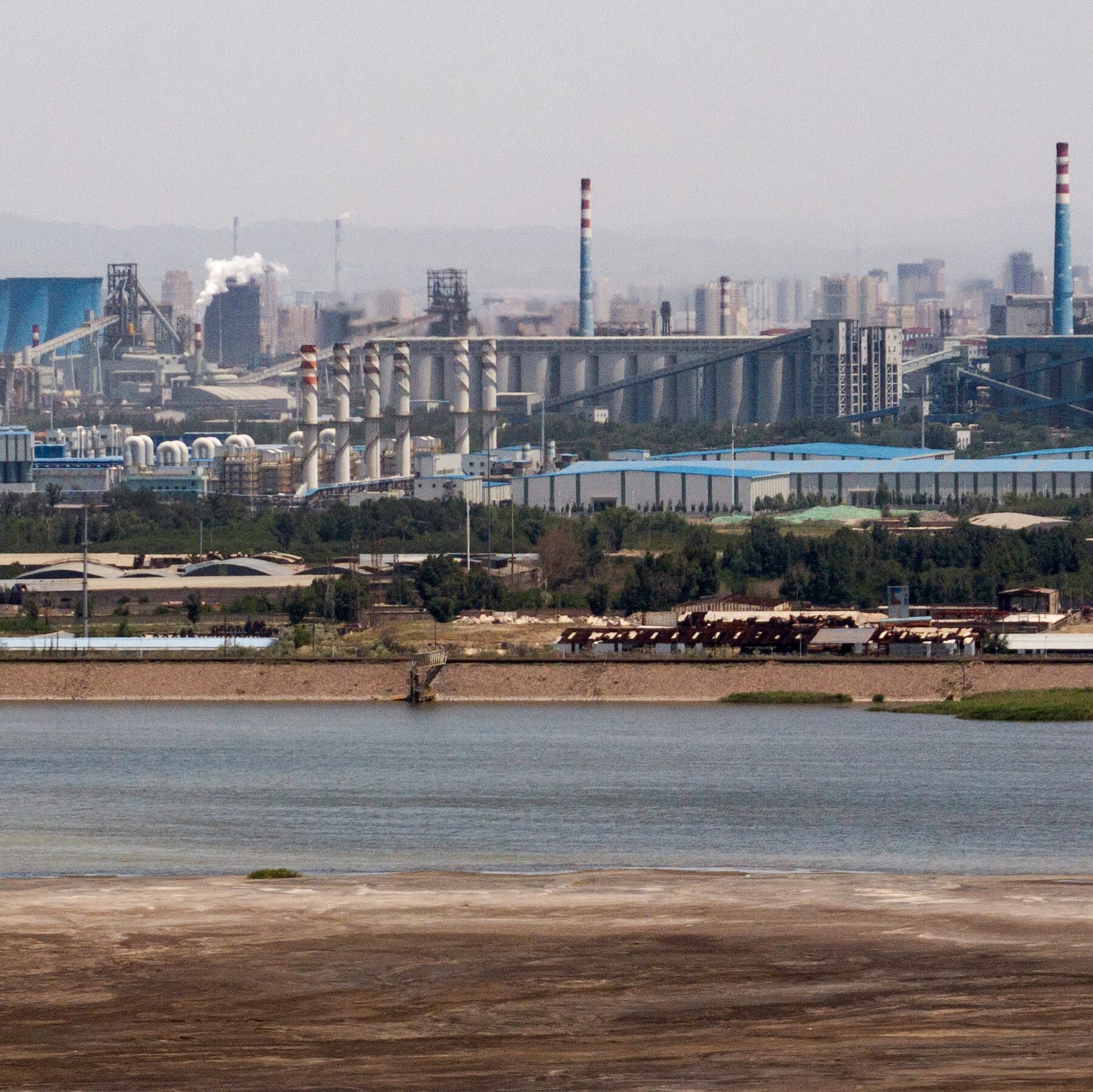
The Pentagon's Deal Team Six formation to break Chinese rare earth dominance, reported ahead of the summit, now operates without any diplomatic cover from a bilateral agreement, confirming that structural supply-chain vulnerability remains fully intact post-summit.
Further reading


See Indexa more often on Google
Mark Indexa as a preferred source — your Top Stories will surface more Indexa coverage.