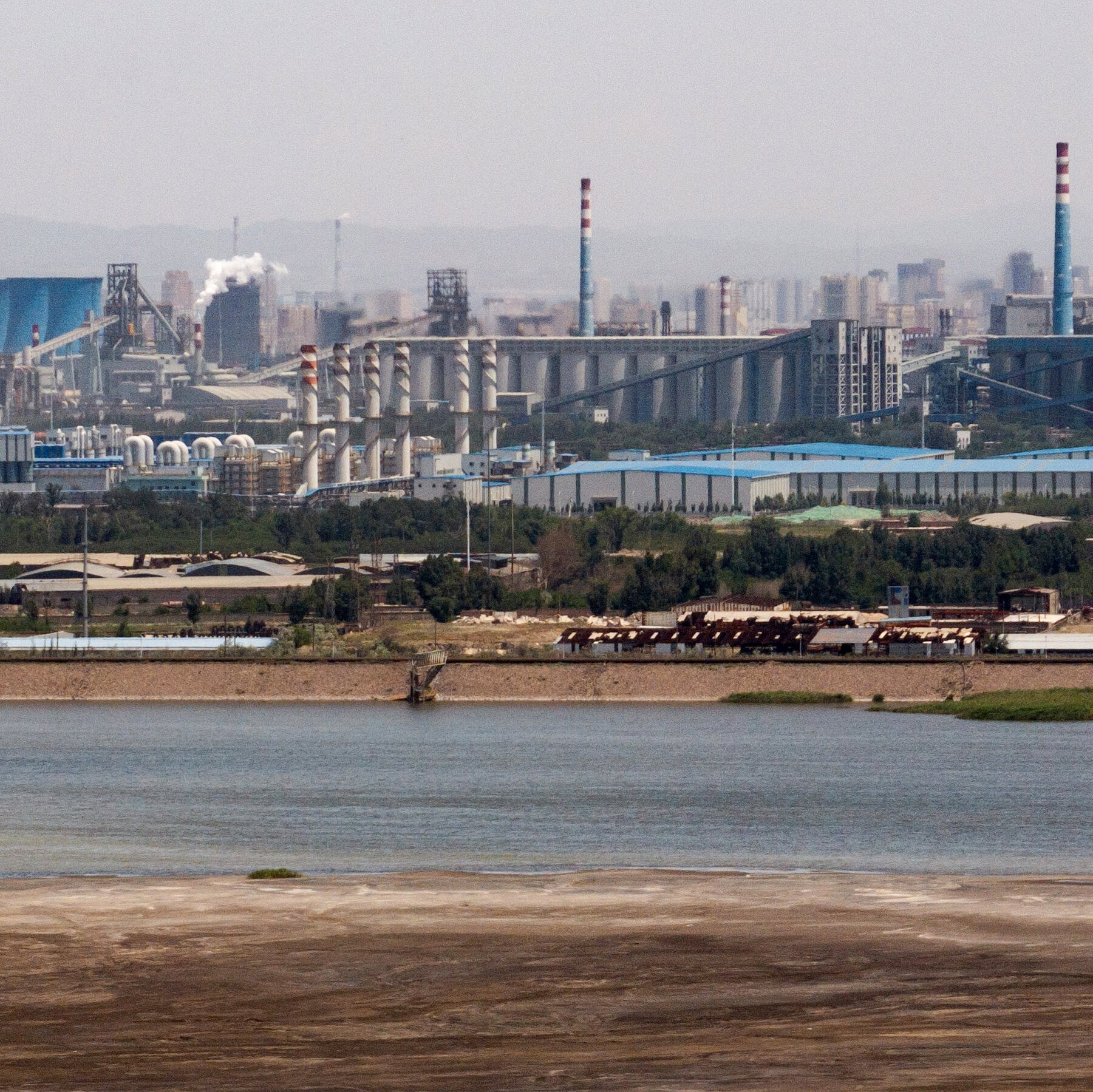
Pentagon forms 'Deal Team Six' to break China's rare earth dominance
Trump-Xi summit may extend rare earth truce, but US processing gap remains the critical bottleneck
Briefing
- The Pentagon has assembled a dedicated procurement unit, internally dubbed 'Deal Team Six', to secure rare earth supply chains and reduce US dependency on Chinese sources.
- Trump and Xi are expected to weigh an extension of an existing rare earth truce at their summit, though Chinese export curbs are described as continuing to bite US and allied manufacturers.
- The structural vulnerability for the US lies not in mining capacity but in processing expertise, which China dominates and which cannot be replicated quickly regardless of summit outcomes.
- Chinese rare earth miners are reported to be bullish ahead of the Trump-Xi meeting, suggesting markets expect Beijing to retain meaningful leverage even under a truce scenario.
- The forward question for defence and clean-energy supply chains is whether the Pentagon's deal-making vehicle can contract alternative processing capacity fast enough to matter before any truce expires.
Analysis
- Defence and clean-energy supply chains face a structural bottleneck that a Trump-Xi rare earth truce cannot resolve: China controls processing capacity, not just mining, and replicating that expertise takes years regardless of diplomatic outcomes. Pentagon deal-making can contract alternative supply but cannot compress the timeline for building out processing infrastructure. Companies with concentrated rare earth input dependencies in permanent magnets, EV motors, and defence electronics remain exposed even under a truce scenario.
Historical Context
- 2019-2020
During the first US-China trade war, Beijing publicly signalled it could restrict rare earth exports as retaliation. The US launched domestic supply initiatives including Mountain Pass restarts, but processing bottlenecks prevented meaningful substitution within the trade-war timeline, confirming the multi-year lag between policy intent and processing capacity.
- 2010
China cut rare earth export quotas by 40%, triggering a price spike of over 1,000% in some materials within 18 months. The episode established that China's processing dominance, not mining share alone, is the durable chokepoint, a dynamic directly replicated by the current export curb strategy.
Connected Events

China orders 200 Boeing jets, with option rising to 750 planes
China's 200-plane Boeing order fell 60% short of the 500-plane benchmark the administration had telegraphed, establishing a pattern in which Beijing delivers partial concessions while retaining structural leverage at the summit. The rare earth truce dynamic follows the same template.

Ford surges 20% in two days on AI energy storage pivot
Ford's 20% surge on its battery energy storage pivot and Fervo Energy's 35% IPO pop both depend on reliable rare earth and critical mineral supply chains for permanent magnets and battery chemistries. Pentagon supply-chain failure on rare earth processing directly constrains the investable thesis for both the Ford Energy unit and clean-firm-power assets.
Further reading


See Indexa more often on Google
Mark Indexa as a preferred source — your Top Stories will surface more Indexa coverage.