Briefing
- SK Hynix has crossed a $1 trillion market valuation, joining Micron and Samsung in an elite group of memory chip makers whose combined worth reflects sustained AI infrastructure spending.
- South Korean equities have surged 100% in 2026, a pace that Bloomberg reports surpasses gains recorded during the dotcom era.
- At least one bank, cited by MarketWatch, argues AI demand remains underhyped even after the rally, suggesting the re-rating of memory chip stocks has further room to run.
- BTIG flagged that South Korean stocks are at risk of a "swift downside reversal" given the degree to which the index is concentrated in SK Hynix and Samsung.
- The forward question for portfolio managers is whether the valuation expansion is durable or whether index concentration in two names creates asymmetric downside if AI capex guidance softens.
Analysis
- BTIG's concentration warning creates asymmetric downside for Korean equity ETFs (EWY) over the next 1-3 months: SK Hynix and Samsung together account for a dominant share of the KOSPI, meaning any softening in AI capex guidance from hyperscalers would hit the index disproportionately relative to a diversified market. South Korean equities are up 100% in 2026; at that pace, even a modest negative catalyst in AI infrastructure spending produces outsized index-level drawdowns with limited cushion from other sectors.
- The Uber/Microsoft ROI skepticism story directly threatens the demand thesis supporting SK Hynix's $1 trillion valuation. Memory chip re-ratings are predicated on sustained AI infrastructure capex; if enterprise AI ROI data hardens into a formal cost-benefit narrative that restrains hyperscaler spending, HBM demand assumptions embedded in SK Hynix and Micron valuations are the first casualty. At 100% YTD gains, there is no valuation buffer if the demand-underhyped argument is contradicted by enterprise capex data.
Historical Context
- 2021-2022
The semiconductor upcycle of 2021 saw memory chip stocks surge on cloud and consumer demand before a sharp DRAM and NAND oversupply correction in 2022 wiped out most gains. The mechanism was identical: capex assumptions baked into valuations proved too optimistic once end-demand softened, producing drawdowns of 40-60% in memory names.
- 1999-2000
South Korean equities surged during the dotcom boom on semiconductor and telecom infrastructure demand before collapsing when global capex cycles turned. The briefing explicitly notes 2026 gains are surpassing dotcom-era velocity, making the historical analogue directly relevant to current concentration and momentum risk.
Connected Events
Uber and Microsoft data cast doubt on AI's corporate return on investment
The Uber and Microsoft ROI data points questioning AI's corporate return on investment represent a direct demand-side risk to the AI memory thesis underpinning SK Hynix's $1 trillion valuation, as sustained HBM demand depends on hyperscalers and enterprises continuing to expand AI infrastructure spending.
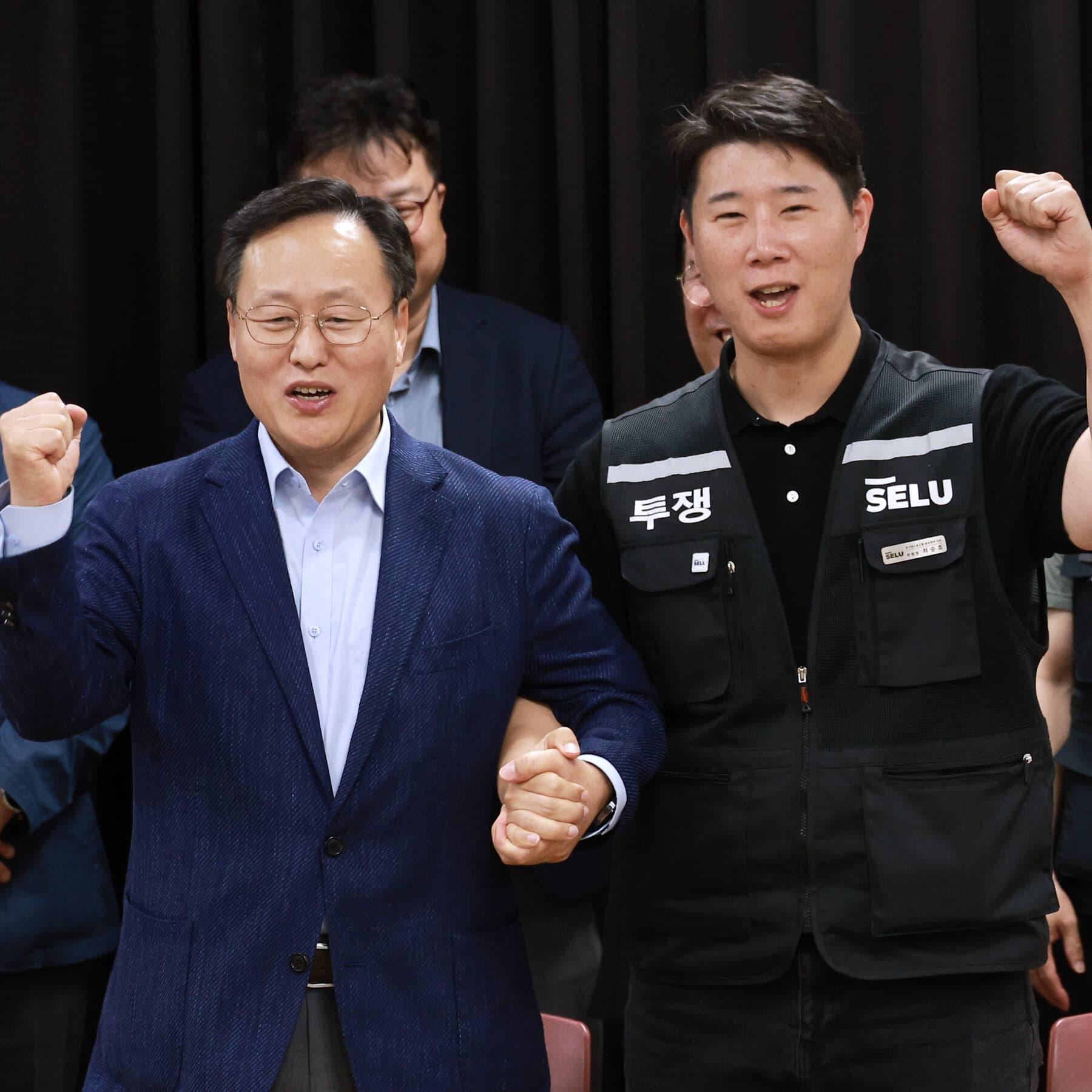
Samsung memory chip workers approve AI profit-sharing deal worth ~$400,000 per employee
Samsung's $400,000 per-employee profit-sharing deal removed near-term strike risk at the world's largest memory chipmaker, reinforcing HBM supply continuity and compounding the AI memory sector re-rating now also reflected in SK Hynix's $1 trillion crossing.

S&P 500 and Nasdaq hit record closing highs as Micron joins $1 trillion club
Micron's entry into the $1 trillion club on May 26 preceded SK Hynix's crossing by days, establishing a rapid sequential re-rating of the entire HBM memory complex that amplifies BTIG's index concentration concern: three names in the same sub-sector now share a combined valuation that is increasingly correlated to a single demand driver.
Further reading


See Indexa more often on Google
Mark Indexa as a preferred source — your Top Stories will surface more Indexa coverage.
