Briefing
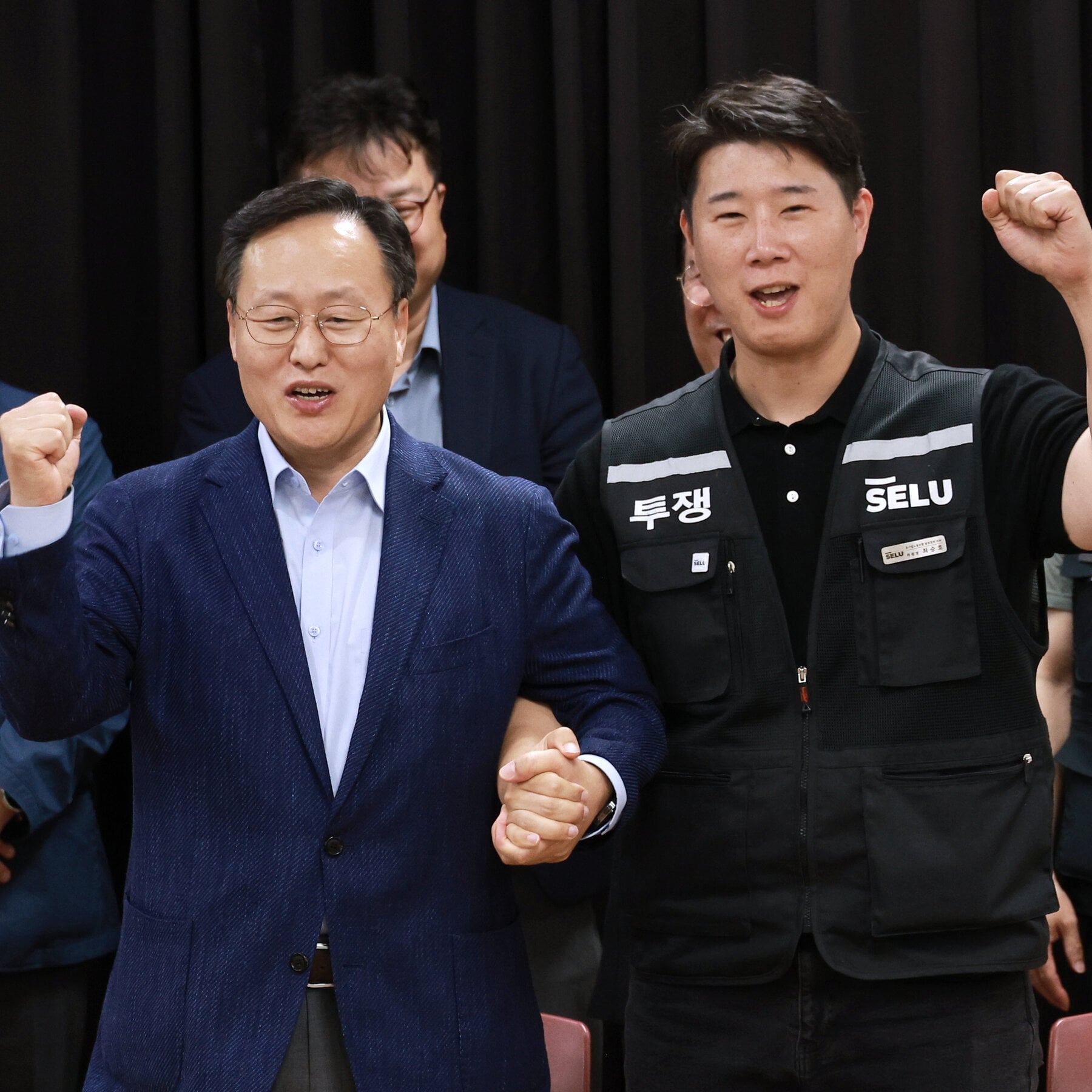
- Samsung's memory chip division workers will receive average bonuses of approximately $400,000 each under a landmark profit-sharing agreement, directly linked to AI-driven demand for the division's output.
- The deal was ratified after 74% of the 62,616 workers who cast ballots voted in favour, averting a strike threat at the world's largest memory chipmaker.
- The agreement is confined to the memory chip unit, leaving employees in other Samsung divisions without comparable payouts, a disparity the New York Times reports is fuelling internal tensions.
- Reuters characterises the deal as a structural shift in South Korean labour relations, with analysts flagging it as a precedent that could embolden union negotiations at other large Korean manufacturers.
- The vote outcome removes near-term operational risk at the division supplying high-bandwidth memory central to AI infrastructure buildouts, a supply-continuity factor relevant to buyers including hyperscalers.
Analysis
- Samsung's removal of near-term strike risk at its memory chip division reinforces supply continuity for high-bandwidth memory at a moment when DRAM and NAND markets are already tight, compounding the sector re-rating underway in Micron and SK Hynix. With SK Hynix and Micron both crossing $1 trillion in market cap on AI memory demand, Samsung's 005930.KS trades at a discount partly on governance and labour risk; resolution of the strike threat narrows that gap and strengthens the case for a catch-up re-rating.
- The $400,000 average bonus sets a concrete wage benchmark that Reuters characterises as a structural precedent for South Korean labour relations. If this emboldens unions at SK Hynix, LG, or Hyundai, Korean manufacturers face a step-change in fixed labour costs at the peak of an AI-driven capex cycle, compressing operating leverage precisely when margins are expanding. The contagion risk is highest at SK Hynix, which competes directly in HBM and faces its own union negotiation cycles.
Historical Context
- 2023-2024
Samsung memory workers staged the company's first-ever strike in mid-2024, briefly disrupting output and drawing attention to pay disparities linked to AI-driven profit surges. That action established that Samsung's previously docile workforce would act, making the profit-sharing mechanism in this deal a direct policy response to demonstrated strike risk.
- 2009-2011
Korean automotive and steel unions used Hyundai's profit recovery post-GFC to extract multi-year wage escalation clauses, creating a labour cost ratchet that compressed margins during the subsequent demand slowdown. The Samsung deal's precedent dynamic mirrors that cycle, where one high-profile settlement reset sector-wide bargaining floors.
Connected Events
Micron and SK Hynix cross $1 trillion market cap as AI memory frenzy accelerates
Micron and SK Hynix both crossed $1 trillion in market capitalisation within 24 hours of each other on AI memory demand, establishing a sector-wide re-rating that Samsung's resolution of strike risk now allows it to participate in more fully.
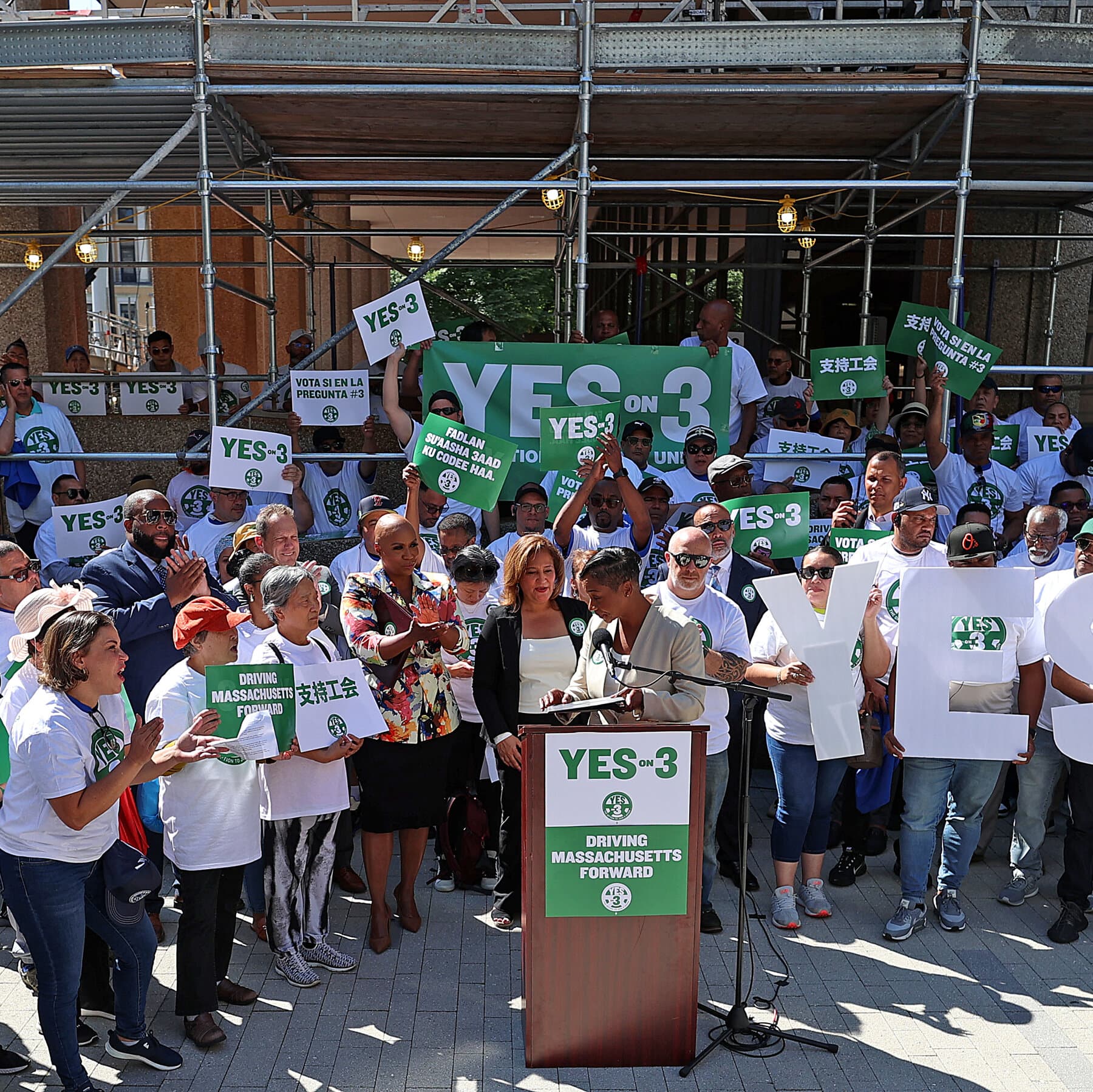
Massachusetts certifies first US ride-hail union for Uber and Lyft drivers
Massachusetts certified the first US ride-hail union for Uber and Lyft drivers, establishing a legal template for gig and non-traditional labour to extract profit-sharing and collective bargaining rights from high-margin tech-adjacent employers, a pattern the Samsung deal reinforces in the manufacturing sector.
Further reading


See Indexa more often on Google
Mark Indexa as a preferred source — your Top Stories will surface more Indexa coverage.