Briefing
- Aramco delivered a $33.4bn adjusted net income in Q2 2026, beating the $31bn analyst consensus by roughly 8% and demonstrating that supply rerouting through pipelines has substantially neutralised Hormuz transit constraints.
- Adjusted net income rose 33% year-on-year from $25.19bn in Q2 2025, the clearest evidence yet that elevated oil prices are flowing directly to producer margins.
- Aramco's average realised crude price reached $108.1 per barrel in the quarter, the key driver of the earnings uplift.
- The company rerouted most crude exports via pipeline rather than through the Strait of Hormuz, preserving export volumes despite the Iran war disruptions.
- Aramco's result joins a broader pattern of blowout profits across oil supermajors in Q2, suggesting sector-wide earnings upgrades remain in play as long as the Iran conflict sustains supply tightness.
Analysis
- Aramco's $108.1/bbl realised price and 33% profit surge locks in sector-wide earnings upgrades for supermajors reporting in the coming weeks, but Monday's 5-7% Brent selloff on Trump's Iran strike cancellation directly threatens the Q3 earnings trajectory. The Q2 beat was built on a price deck that has already partially collapsed; if peace talks produce even a partial Hormuz reopening, the $108 realised price becomes the ceiling, not the floor, for H2 2026.
- Aramco's pipeline rerouting demonstrating full export volume preservation reduces the supply-disruption risk premium that justified Brent above $100. With peace talks now signalled and the rerouting already proven viable, the market loses both the disruption fear and the reopening-upside asymmetry simultaneously. Energy sector equity multiples that re-rated on sustained $100+ oil face compression from both directions: lower spot prices and reduced geopolitical optionality.
- BP's formal North Sea sale process, already complicated by Monday's 5% Brent drop, now faces a further buyer-side pricing advantage as Aramco's pipeline rerouting proves Hormuz disruption was manageable. Acquirers of North Sea assets can now argue the geopolitical premium embedded in the July oil price surge was transient, directly weakening BP's negotiating position on asset valuation.
Historical Context
- 2022
Saudi Aramco posted record profits of $161bn for full-year 2022 as Brent averaged above $100 following Russia's Ukraine invasion. The episode established the direct leverage Aramco's margins carry to sustained elevated crude, and the speed with which earnings collapsed in 2023 as prices normalised below $80 is the precedent for Q3 2026 risk.
- 2019-2020
Aramco's September 2019 Abqaiq drone attack temporarily knocked out 5% of global supply, spiking Brent 15% intraday before rapid restoration of output reversed the move within two weeks. The episode demonstrated that Saudi infrastructure resilience and rerouting capacity can neutralise supply shock premiums faster than markets price, the same dynamic now confirmed via pipeline exports.
- 1987-1988
During the Iran-Iraq Tanker War, Saudi Arabia and Kuwait used pipeline capacity through the Trans-Arabian Pipeline and IPSA to bypass Hormuz, maintaining export volumes despite shipping attacks. Aramco's 2026 rerouting repeats this playbook, confirming the Strait's chokepoint risk is bounded by available overland capacity.
Connected Events
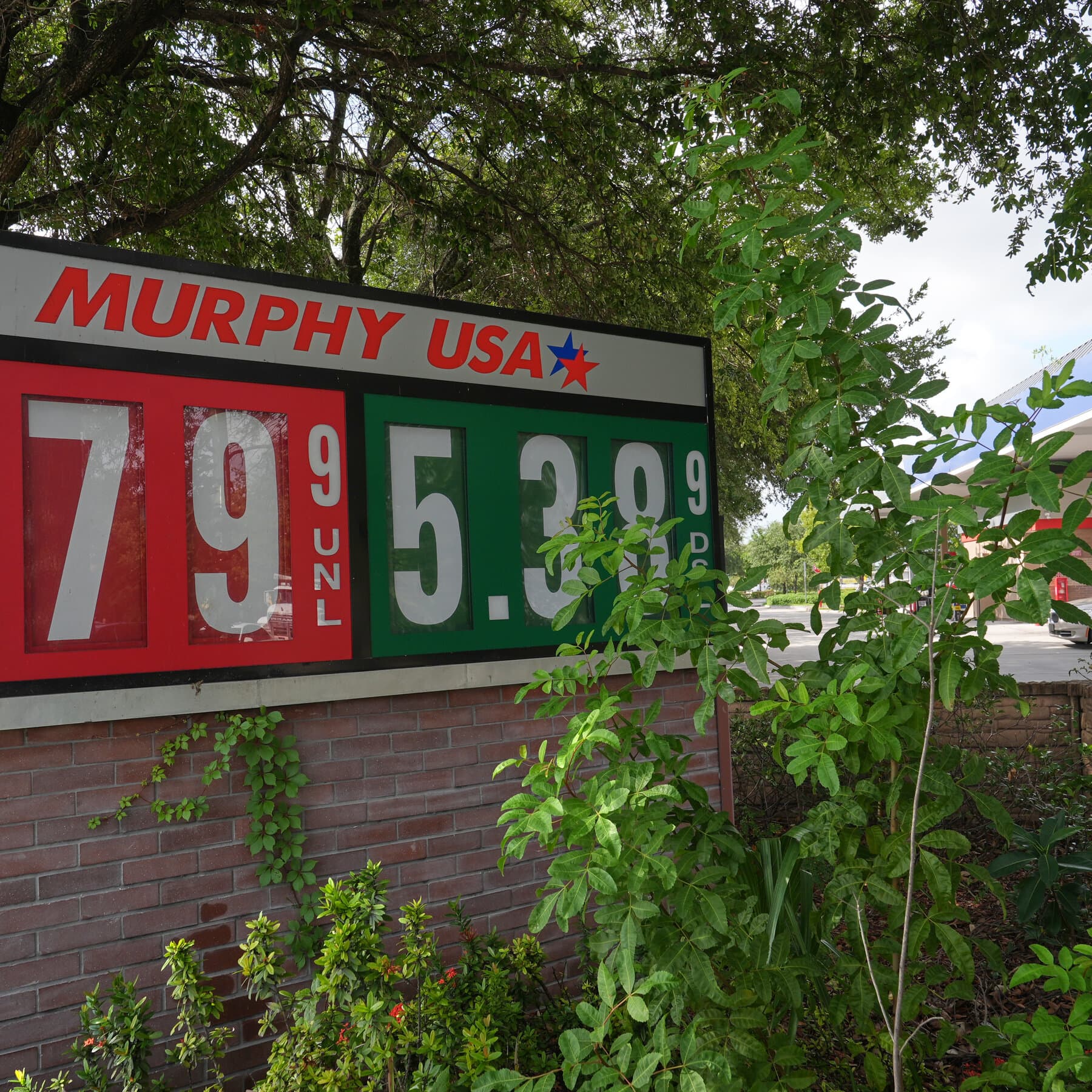
Oil drops 5% as Trump cancels Iran strike and signals peace talks
Brent's 5-7% single-session drop on Trump cancelling Iran strikes directly undercuts the $108/bbl realised price that drove Aramco's Q2 beat, creating an immediate divergence between backward-looking earnings strength and forward price reality.
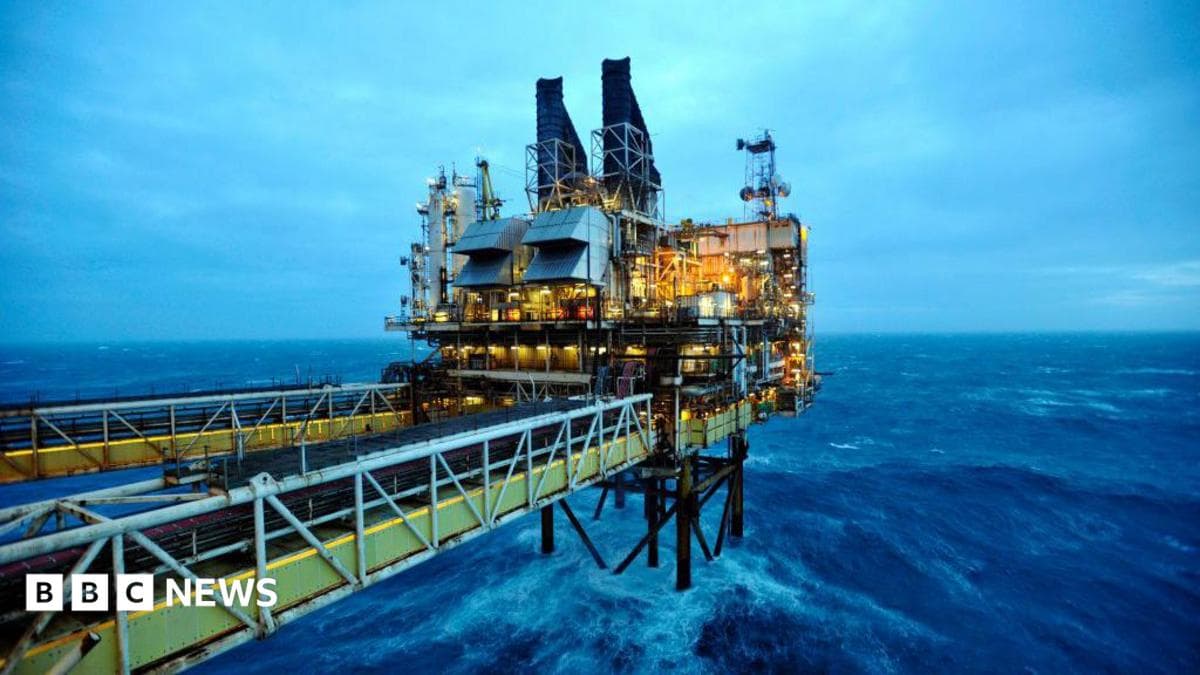
BP launches formal sale of North Sea oil and gas business
BP's formal North Sea sale process was already complicated by a motivated-seller dynamic; Aramco's confirmation that Hormuz disruption was manageable via pipeline removes the geopolitical scarcity argument that supported elevated North Sea asset valuations in July.
Further reading
See Indexa more often on Google
Mark Indexa as a preferred source — your Top Stories will surface more Indexa coverage.
