Briefing
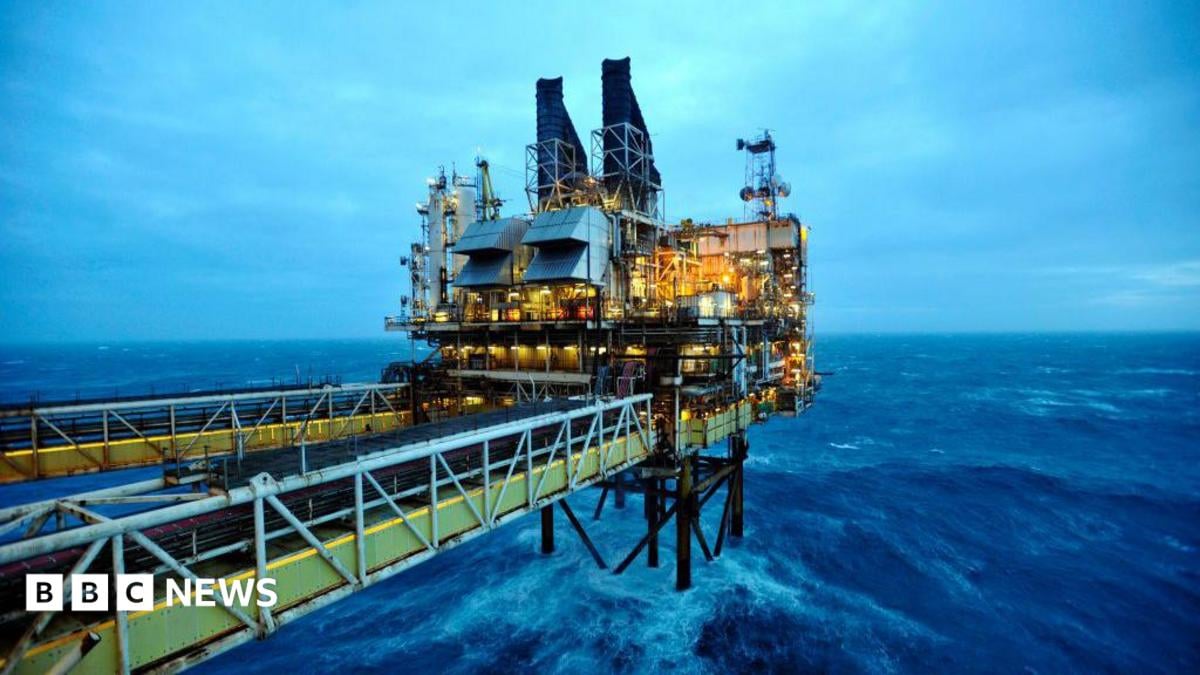
- BP has formally launched a sale process for its entire North Sea oil and gas business, a move that would terminate 60 years of production in the region and marks the most significant portfolio reduction under new CEO Meg O'Neill.
- The decision is driven by O'Neill's stated priority to cut BP's debt levels and redirect capital toward higher-return opportunities outside the UK.
- BP described the move as part of "its disciplined approach to capital allocation", framing the North Sea exit as a strategic choice rather than a distressed sale.
- The formal marketing process opens the field to potential buyers across the oil and gas sector, with North Sea assets likely to attract interest from independent producers and private equity-backed operators already active in the basin.
- The sale, if completed, would reshape BP's upstream footprint in its home market and raise questions about the long-term investment appetite of supermajors in mature, high-cost offshore basins.
Analysis
- North Sea independent producers and private equity-backed operators face a near-term asset repricing as BP's formal sale process introduces a large, motivated seller into a market where buyers know the strategic rationale. BP's framing as a 'disciplined' exit rather than distressed sale may support headline price, but the volume of assets and the public process create negotiating leverage for acquirers. Harbour Energy, Neo Energy, and PE vehicles such as HitecVision are the natural counterparties.
- BP's exit accelerates a structural re-rating question for supermajors with remaining North Sea exposure: if the largest historical operator exits citing returns, Shell and Equinor face investor pressure to justify continued capital allocation to the basin. UK continental shelf decommissioning liabilities, already a balance sheet concern, become more visible as BP's departure removes a key co-funding participant in shared infrastructure costs.
Historical Context
- 2022-2023
Shell completed its exit from UK North Sea operatorship via the sale of its upstream Jackdaw and other assets, accelerating a retreat from mature basin production. That precedent established that supermajors could exit without triggering regulatory block, setting the template BP is now following.
- 2021
UK introduced the Energy Profits Levy at 25%, later raised to 35%, structurally reducing after-tax returns on North Sea production. The levy has been consistently cited by operators as a deterrent to incremental investment and directly affects the bid-ask spread any buyer must bridge in the current sale process.
- 2015
BP sold its Greater Britannia area assets to Chrysaor (later Harbour Energy) for $625 million during the oil price downturn, initiating a partial North Sea retreat. That deal showed PE-backed independents as the clearing buyers for supermajor North Sea exits, the same buyer universe now in focus.
Connected Events

China industrial profit growth slows in June as oil prices retreat
China's industrial profit data showed oil-price sensitivity in upstream earnings, with energy-linked profit growth decelerating as crude retreated. BP's decision to exit the North Sea partly on returns grounds aligns with a broader supermajor reassessment of mature high-cost basin economics relative to lower-cost alternatives.

Dimon says he would not buy stocks or Treasurys at current prices
Dimon's explicit rejection of equities and Treasurys at current prices, citing geopolitical and macro tail risks, provides a macro backdrop that complicates BP's sale process: a risk-off environment raises the cost of capital for PE-backed bidders relying on leveraged acquisition financing to fund a large North Sea purchase.
Further reading
Related Stories

See Indexa more often on Google
Mark Indexa as a preferred source — your Top Stories will surface more Indexa coverage.