US-Iran Talks Fail; Trump Orders Hormuz Blockade
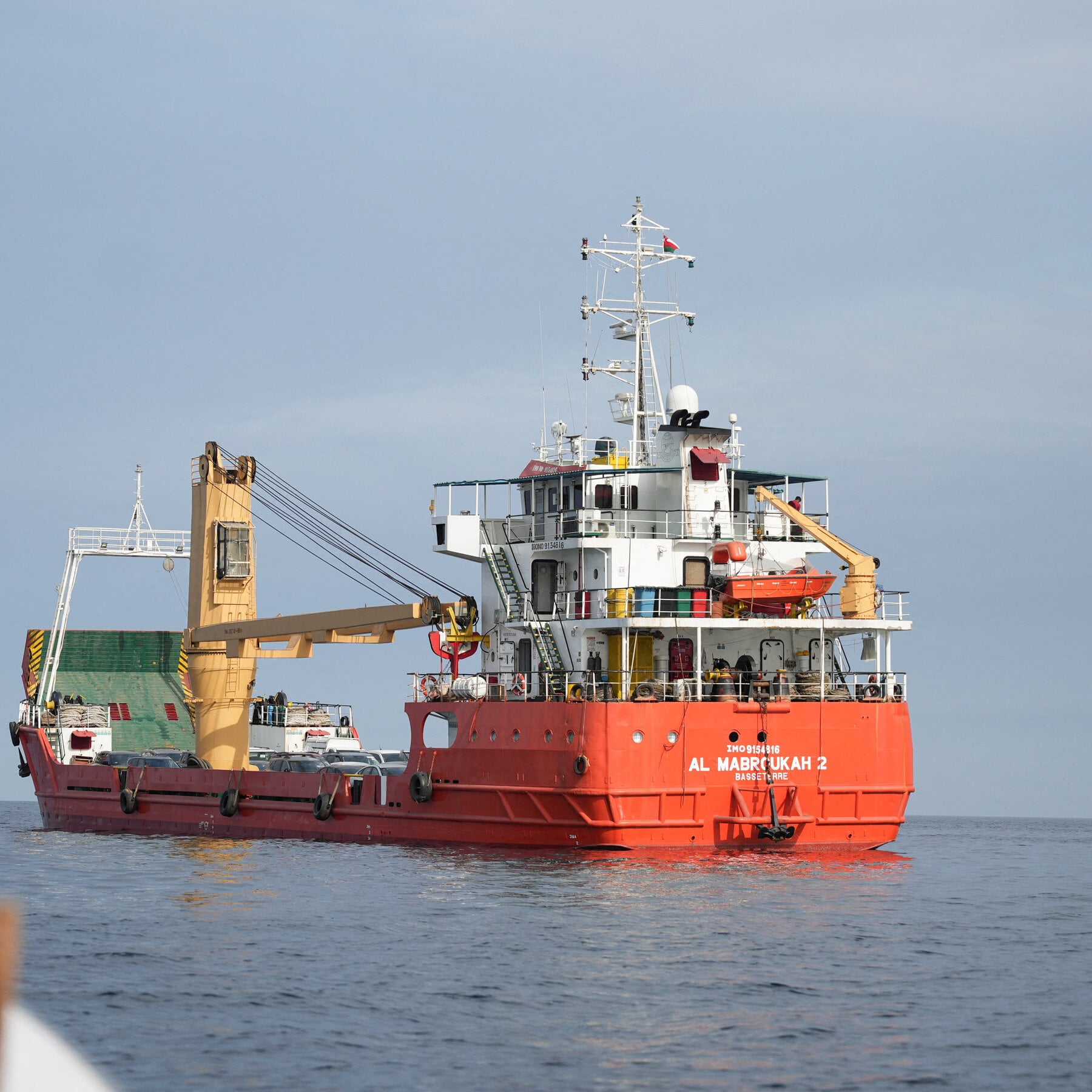
Weekend negotiations between Washington and Tehran, held in Islamabad, Pakistan, collapsed without a ceasefire agreement, ending what had been a month-long conflict. President Trump responded by announcing that US forces would blockade the Strait of Hormuz, the narrow waterway through which roughly a fifth of global oil supply transits. The blockade is specifically directed at Iranian vessels and ships that have paid a toll to Iran for passage through the strait, in an attempt to choke off the flow of Iranian oil, according to The Guardian.
Oil markets reacted immediately when Asian trade opened on Monday and extended gains into the New York session. West Texas Intermediate rose 7.3% to $103.66 per barrel and Brent gained 7.1% to $101.64 as of 8:05 am ET on Monday, according to OilPrice.com. Both benchmarks remain below the peaks reached before last week's brief ceasefire announcement temporarily depressed prices. Prices subsequently slid below $100 after Vice President Vance signalled that diplomatic efforts to resolve the conflict are ongoing, according to CNBC, introducing fresh uncertainty over whether the blockade will be sustained.
Onyx, the commodities trading firm, had warned that oil could reach $150 per barrel if the blockade proceeds, according to Bloomberg. Physical oil has since hit a fresh record near $150 a barrel as the Hormuz crisis worsens, according to Reuters.
OPEC also cut its demand forecast alongside the price move, according to OilPrice.com, adding a further layer of uncertainty to the supply-demand outlook.
Market Spillover
Equity markets registered the shock broadly. Asian benchmarks fell across the board, with Hong Kong's Hang Seng Index declining as investors shifted toward haven assets, according to the South China Morning Post. Global bonds also slid as the failure of talks added to inflation fears, according to Bloomberg. US stock-market futures were also lower on Sunday evening and extended declines into Monday, with Dow, S&P 500, and Nasdaq futures all sliding after the blockade announcement, according to CNBC and Yahoo Finance.
China has defied the US blockade, according to Yahoo Finance, adding a further geopolitical dimension to the supply disruption and complicating enforcement of the naval cordon.
The pattern is consistent with a market pricing an extended supply disruption rather than a negotiating posture. Traders had already been positioning ahead of a Trump-imposed deadline on Iran, according to the Wall Street Journal, suggesting the blockade announcement was partially anticipated but the breakdown of talks sharpened the risk assessment.
Human Cost
The blockade carries consequences beyond commodity markets. The Guardian reported that approximately 20,000 seafarers have been trapped in the Gulf for the past six weeks. One crew member told the outlet last week: "I gave my notice exactly one month ago. I've informed the master, I'm not willing to sail through the strait. It's about safety, it's all about safety."
What to Watch
The key variables are whether the blockade moves from announcement to sustained enforcement, how Iranian forces respond in the strait, and whether China's defiance prompts a broader confrontation. Vance's diplomatic signalling has already introduced short-term volatility. Any concrete resumption of negotiations could pull prices back from current levels, while a hardening of enforcement or Iranian retaliation would likely drive them higher.