US Inflation: March 2026
US consumer prices rose 3.3% in the year to March, according to the latest CPI release, with energy costs the primary driver after the Iran conflict sent fuel prices sharply higher. The result matched the Dow Jones consensus estimate of 3.3%, though some economists had pencilled in a slightly hotter 3.4% print.
The monthly increase was the largest since the peak of the post-pandemic inflation crisis in June 2022, according to the New York Times, with record gas price increases the primary catalyst. Annual inflation is now at its highest level in almost two years, according to the BBC.
The surge in energy prices tied to the Iran war transmitted quickly into broader price measures, given energy's pervasive role in transport, manufacturing, and household spending. The Financial Times described the shock as ricocheting across the world's largest economy, a characterisation consistent with the breadth of the energy cost pass-through visible in prior inflationary episodes driven by Middle East supply disruption.
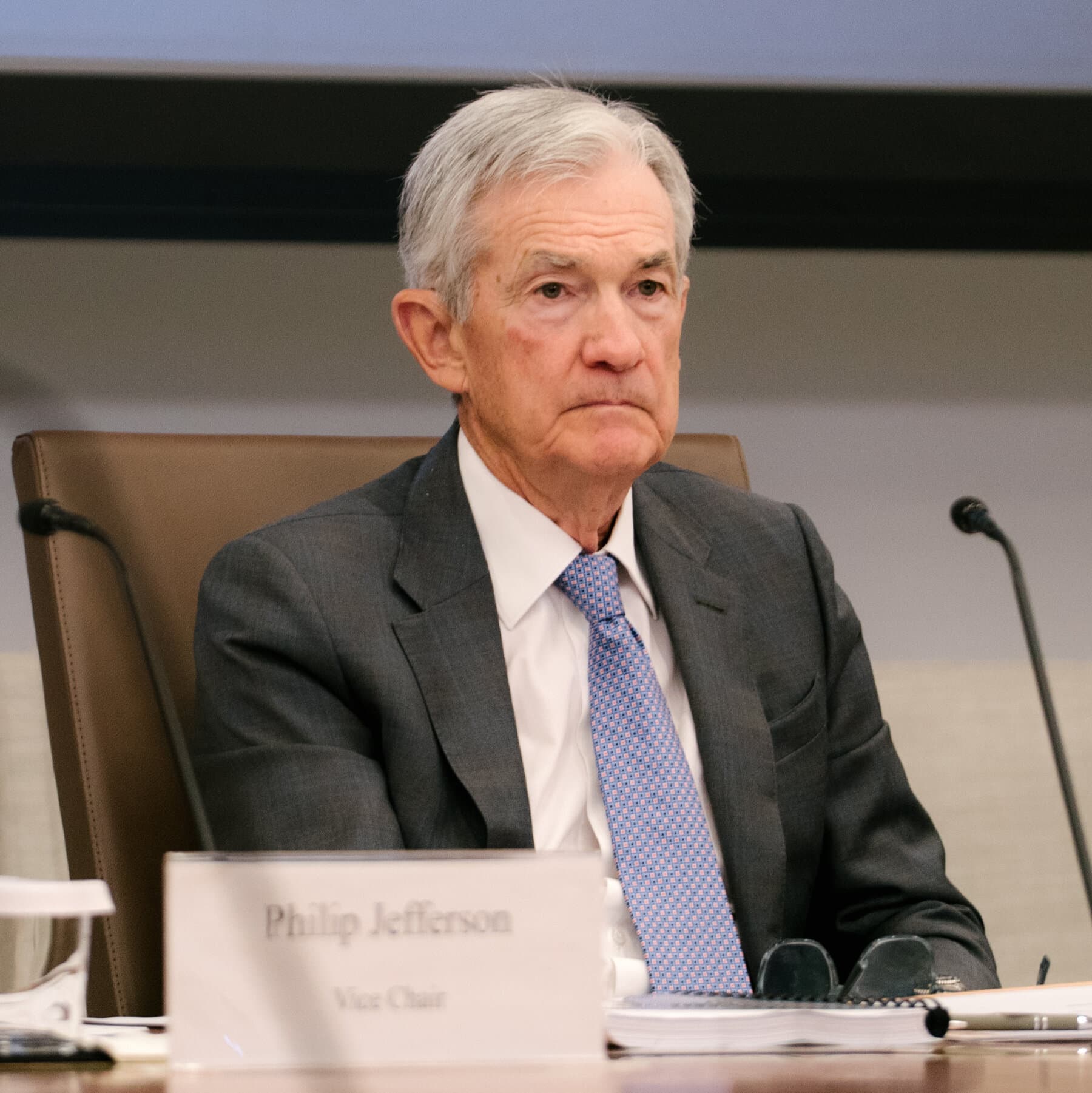
The March reading represents a continued challenge for Federal Reserve policymakers, who must weigh a geopolitically driven supply-side inflation spike against their dual mandate. Supply shocks of this nature are, in principle, transitory, but sustained conflict prolongs the price pressure and complicates the case for rate cuts.
Markets will now focus on whether the energy component moderates in April or whether the conflict's duration keeps upward pressure on fuel costs and, by extension, on headline CPI.