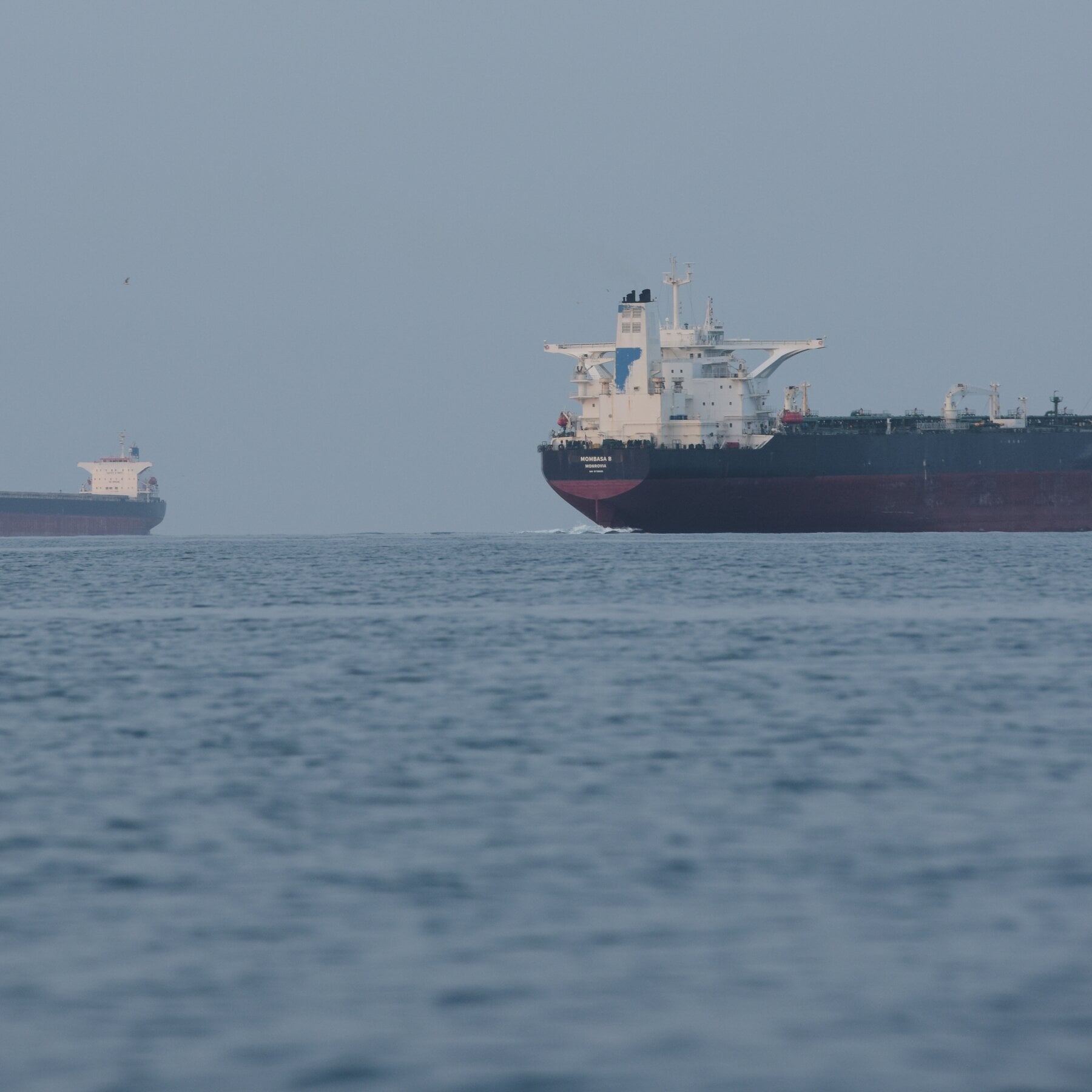
Oil volatile as Hormuz tensions persist, US-Iran talks reported possible
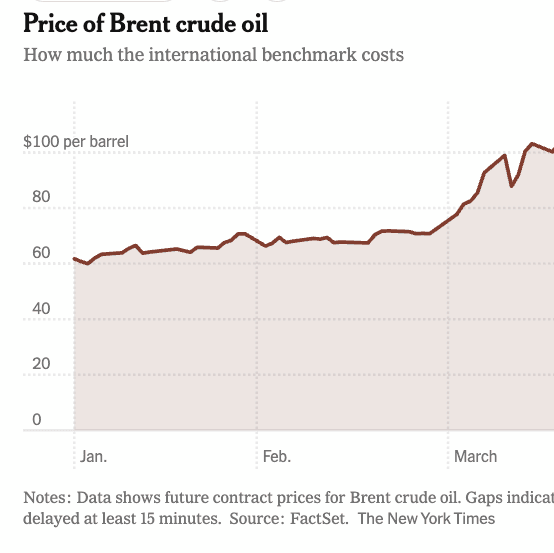
Brent topped $105 before pulling back as Pakistan officials said US-Iran talks are expected, tempering earlier gains.
Briefing
- Brent crude topped $105 as tensions in the Strait of Hormuz intensified, with reports of air attacks and an internal Iranian power struggle adding to market pressure.
- Oil prices then declined after Pakistani officials indicated that US-Iran talks are expected, introducing a diplomatic counterweight to the escalation narrative.
- Israel threatened attacks on Iran, adding a further escalation risk on top of the existing US-Iran standoff.
- WTI had jumped 6.21% to $89.06 and Brent rose 5.27% to $95.14 in early Asian trade Monday after the US Navy seized an Iranian vessel accused of breaking a blockade near the strait.
- Those gains had reversed Friday's sell-off of more than 9% in both benchmarks, which followed Iran's initial agreement to reopen the strait after a 50-day blockade.
- Iran's state media has said Tehran has no plans to participate in new talks and accused the US of violating the ceasefire, though Pakistani officials' statements suggest back-channel diplomacy may be under way.
Analysis
- A US seizure of an Iranian vessel near Hormuz directly tests the ceasefire that was holding through April 22. The Nasdaq winning streak and the 10% WTI selloff from April 17 were both priced on ceasefire durability. A naval interdiction event before the April 22 deadline accelerates the timeline for ceasefire collapse, reinstating the Hormuz risk premium and reversing the rate-sensitive equity positioning that built on the reopening.
- European jet fuel inventories were already at a six-week depletion window per the IEA chief's April 16 warning. A vessel seizure that signals renewed Hormuz disruption removes the assumption of alternative supply routing continuity. European network carriers with unhedged spot fuel exposure face immediate margin deterioration; the physical jet fuel price that had already doubled has no relief valve if Hormuz transit risk reprices upward again.
Historical Context
- April 2019
The US designated Iran's Revolutionary Guard Corps a foreign terrorist organization and Iran threatened to close Hormuz. Tanker seizures in the Gulf of Oman followed within weeks, each incrementally repricing the Hormuz risk premium and demonstrating that vessel interdictions function as escalation signals rather than isolated incidents.
- 2019-2020
US-Iran tensions culminating in the Soleimani strike showed that each discrete military or naval action reset oil market risk premiums sharply higher within 24-48 hours, even when underlying supply was not immediately disrupted, because options markets priced the tail scenario of full Hormuz closure.
Connected Events

Iran opens Strait of Hormuz to commercial traffic, triggering oil rout and crypto rally
The April 17 ceasefire triggered a 10% WTI selloff and record Nasdaq highs, concentrating institutional positioning on ceasefire durability through April 22. A vessel seizure before that expiry creates maximum asymmetric drawdown risk in the positions built on that single session's move.

Europe has six weeks of jet fuel left, IEA chief warns
The IEA warned on April 16 that Europe has six weeks of jet fuel left if Gulf supplies stay blocked. A vessel seizure that signals renewed Hormuz disruption restarts that depletion clock from an already-depleted baseline, compounding the cost and operational risk for European carriers.
Nasdaq logs longest winning streak since 1992 as ceasefire lifts risk appetite
The Nasdaq logged its longest winning streak since 1992 on ceasefire optimism with the April 22 expiry explicitly flagged as the key risk date. The vessel seizure is the type of pre-expiry escalation event that would unwind that positioning rapidly.
Further reading


See Indexa more often on Google
Mark Indexa as a preferred source — your Top Stories will surface more Indexa coverage.