Briefing
- Nvidia CEO Jensen Huang will join Trump's China trip as a last-minute addition, reversing earlier reports that he had been excluded from the delegation.
- Huang confirmed the invitation directly, stating: "President Trump asked me to come."
- Nvidia also confirmed the development, with a company representative stating: "Jensen is attending the summit at the invitation of President Trump to support America and the administration's goals."
- The delegation now includes Huang alongside Elon Musk, Tim Cook, Goldman Sachs CEO David Solomon, and representatives from Boeing, Citi, Meta, and Tesla, among others.
- Seventeen American CEOs were on the original White House list of business delegates, a smaller group than the 27 who joined Trump's 2017 China trip.
- Huang's presence is significant given Nvidia's direct exposure to US semiconductor export restrictions on China, and his inclusion may open a channel to raise AI chip export curbs at the summit.
Analysis
- Nvidia's exclusion from the China delegation removes the most direct corporate lobbying channel for near-term AI chip export relief, extending the timeline for any easing of restrictions that currently block Nvidia from selling H20-class chips to China. With China historically representing roughly 20-25% of Nvidia's data center revenue before the most recent restriction tightening, a prolonged policy freeze keeps that revenue gap open. The administration's delegation composition signals semiconductors are a negotiating holdback, not a concession on offer.
- The delegation's sectoral composition, aerospace (Boeing), finance (Citi), consumer tech (Apple, Meta), and energy, signals the administration is using market access in those verticals as its primary bargaining currency with Beijing, not semiconductor policy. This creates a bifurcated outcome: AAPL and BA stand to benefit from any summit deal, while NVDA is structurally excluded from the near-term negotiating framework. Cerebras and other AI chip IPO candidates also face a policy overhang that a Huang presence at the table might have mitigated.
Historical Context
- Oct 2022 - 2023
The Biden administration's successive AI chip export controls, culminating in the October 2022 and October 2023 rules, progressively closed Nvidia's China access and cost the company an estimated $400M+ quarterly revenue hole. Each tightening was preceded by months of industry lobbying that proved ineffective once national security framing was established, establishing the template that exclusion from political access equals exclusion from policy relief.
- May 2019
The Huawei entity list designation showed that US semiconductor export policy, once weaponized as a trade negotiating tool, does not reverse through summitry: Huawei remained on the list despite multiple rounds of US-China trade talks. Nvidia's absence from the current delegation echoes the pattern where chip restrictions are treated as structural containment rather than negotiable concessions.
Connected Events
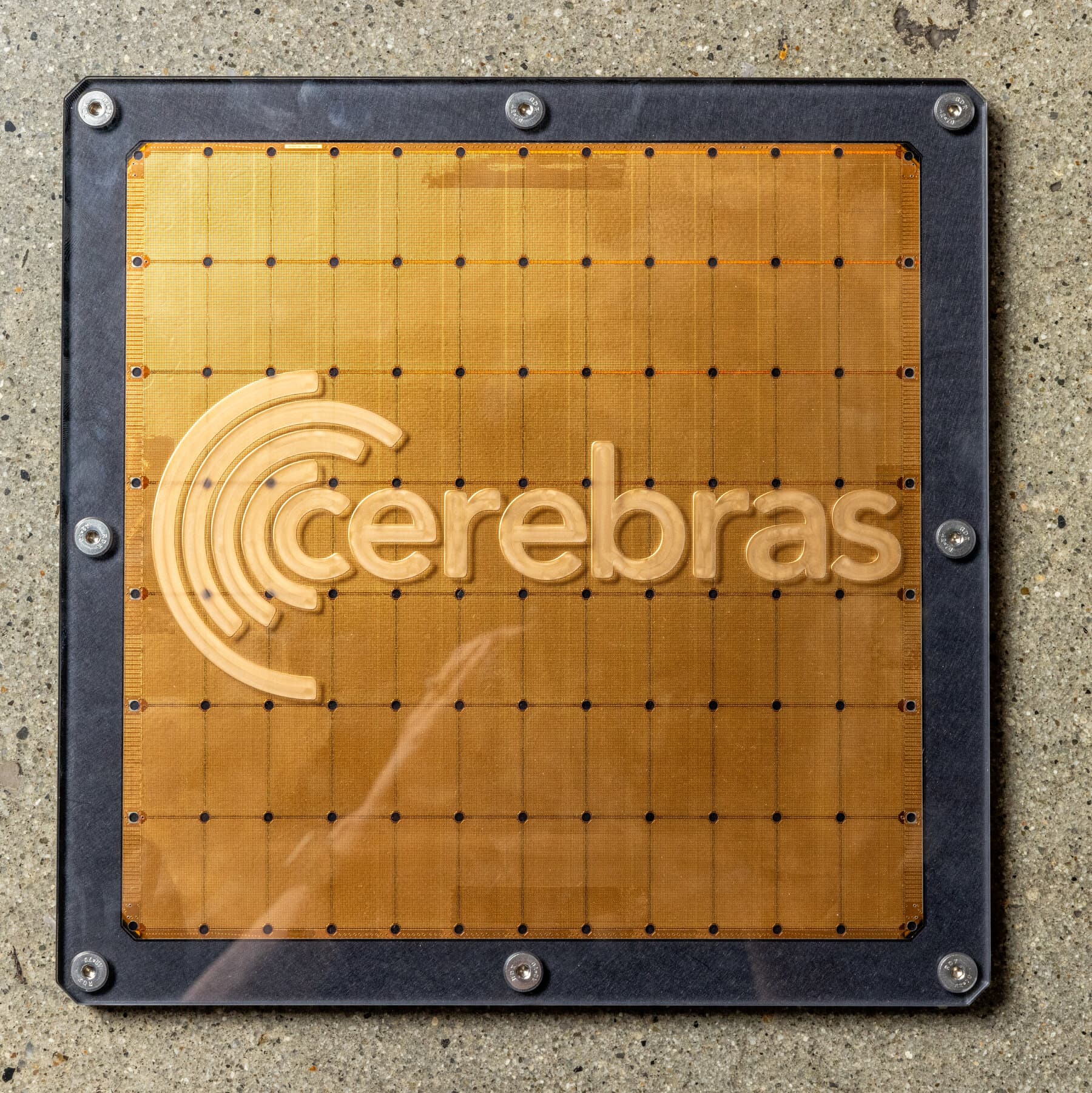
Cerebras surges up to 100% in Nasdaq debut, pushing market cap near $100 billion after blockbuster IPO
The Cerebras IPO, pricing above range at a $4.8B raise, underscores strong investor demand for AI chip exposure precisely as Nvidia's policy uncertainty extends. If NVDA's China revenue gap persists, capital may continue rotating toward domestic AI chip alternatives with no China restriction overhang.
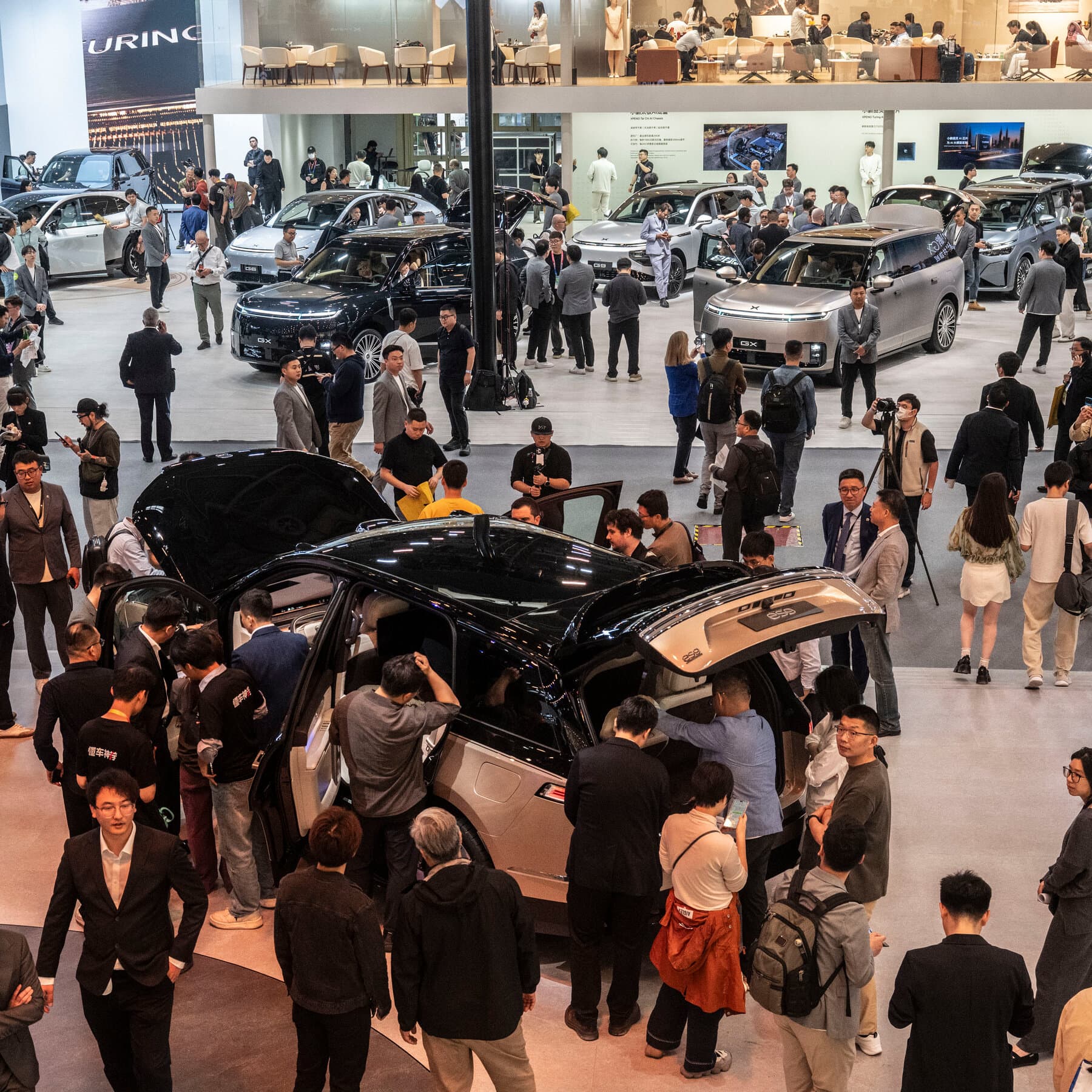
China April exports surge 14.1% year-on-year, imports also hit record
China's April exports surging 14.1% year-on-year immediately before the Trump-Xi summit widens the trade surplus that US negotiators will cite to justify maintaining semiconductor restrictions as leverage, reinforcing the structural case for keeping Nvidia outside any near-term deal.
Further reading


See Indexa more often on Google
Mark Indexa as a preferred source — your Top Stories will surface more Indexa coverage.
