Briefing
- Air fares have risen approximately 24% as the Iran war disrupts jet fuel supply chains and forces flight rerouting, according to research cited by the BBC.
- Long-haul flight costs have increased by around $100 per ticket due to the fuel price impact, per a Reuters-cited study.
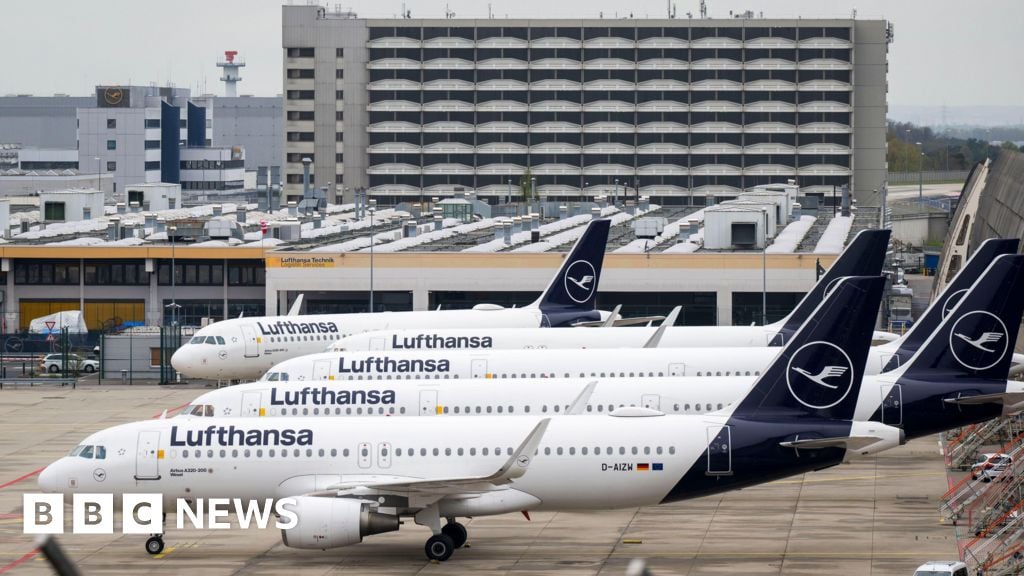
- Lufthansa Group will cancel 20,000 short-haul European flights through October, saving roughly 40,000 metric tons of jet fuel, after jet fuel prices doubled since the outbreak of the Iran conflict.
- Airlines are warning of an imminent jet fuel shortage severe enough to threaten summer flight schedules, with some carriers already cancelling routes or adding fuel surcharges.
- The Dutch government confirmed the EU holds production and reserves equivalent to five months of jet fuel supply, offering partial reassurance on near-term availability.
- UK carriers are lobbying the government to relax noise regulations and cut flight taxes as the fuel crunch tightens operational constraints.
Analysis
- The EU's five-month reserve buffer, combined with the IEA's earlier six-week warning, suggests the depletion window has already partially consumed. European network carriers with low hedge ratios and high short-haul density face sequential pressure: spot fuel costs hit margins first, then physical shortage triggers route cancellations and EC 261/2004 compensation liability. The Trump administration blocking United-American consolidation removes a potential domestic buffer; European carriers cannot rely on transatlantic capacity rationalization to offset cost pressure.
- The 24% airfare increase and $100 per long-haul ticket surcharge, layered on top of $4 national average gasoline in the US, compound the consumer inflation burden that the Energy Secretary already conceded will persist through 2027. Travel demand destruction at these fare levels would disproportionately hit leisure carriers and OTAs with high price-sensitive customer bases, while corporate travel managers accelerate substitution toward videoconferencing infrastructure.
- UK carriers lobbying to relax noise regulations and cut flight taxes signals the industry expects the fuel crunch to be structural, not transitory. If the UK government grants even partial tax relief, it sets a precedent that other EU governments facing airline lobbying pressure will face. This creates an asymmetric political dynamic: relief measures would benefit flag carriers disproportionately, while the underlying jet fuel scarcity continues to disadvantage low-cost operators with thinner liquidity buffers.
Historical Context
- 2022
Russia's invasion of Ukraine triggered European airspace rerouting, adding hours and fuel burn to long-haul routes and demonstrating that geopolitical airspace closures compound fuel cost increases multiplicatively rather than additively, since rerouting raises per-flight consumption precisely when fuel prices are highest.
- 2008
Jet fuel hit record highs during the oil price spike, prompting US and European carriers to ground fleets, impose fuel surcharges, and accelerate capacity cuts. Several low-cost carriers exited the market entirely, and the episode established that airlines with less than six months of hedged fuel exposure face existential risk in sustained supply shocks.
- 1990-1991
The Gulf War triggered a sharp jet fuel price spike that forced airlines including Continental and Midway into bankruptcy. The transmission channel was identical: Middle East supply disruption, fuel surcharges layered onto a demand-sensitive fare base, and thinner carriers unable to sustain hedging programs through the shock.
Connected Events
Europe has six weeks of jet fuel left, IEA chief warns
The IEA chief's warning that Europe had roughly six weeks of jet fuel remaining if Gulf supplies stayed blocked is now being validated by airline warnings of imminent shortage severe enough to disrupt summer schedules, confirming the depletion timeline is tracking the worst-case scenario.
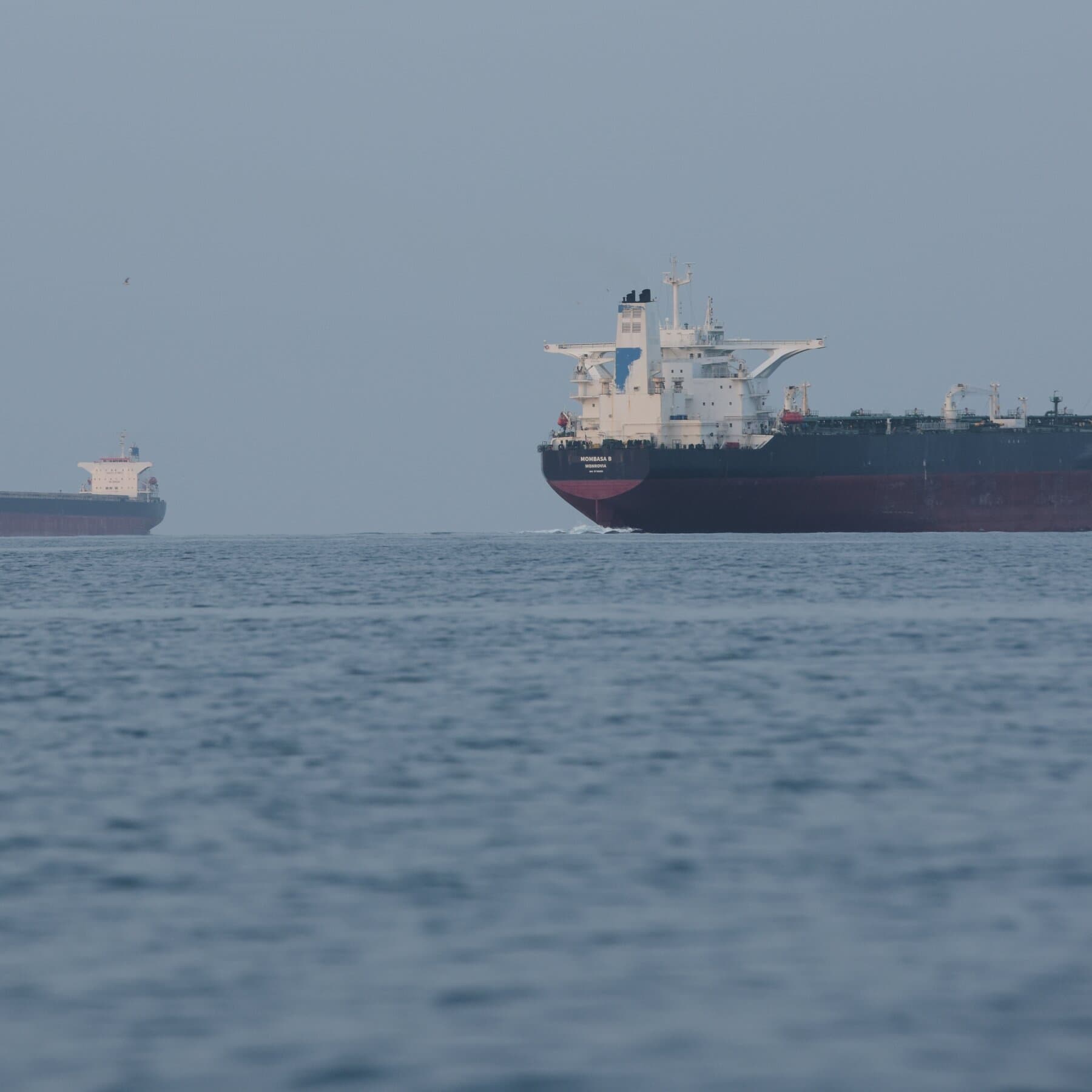
Oil volatile as Hormuz tensions persist, US-Iran talks reported possible
The US Navy's seizure of an Iranian vessel near Hormuz, which reimposed shipping restrictions after a brief reopening, directly extended the supply disruption now driving the jet fuel shortage and the 24% airfare increase.
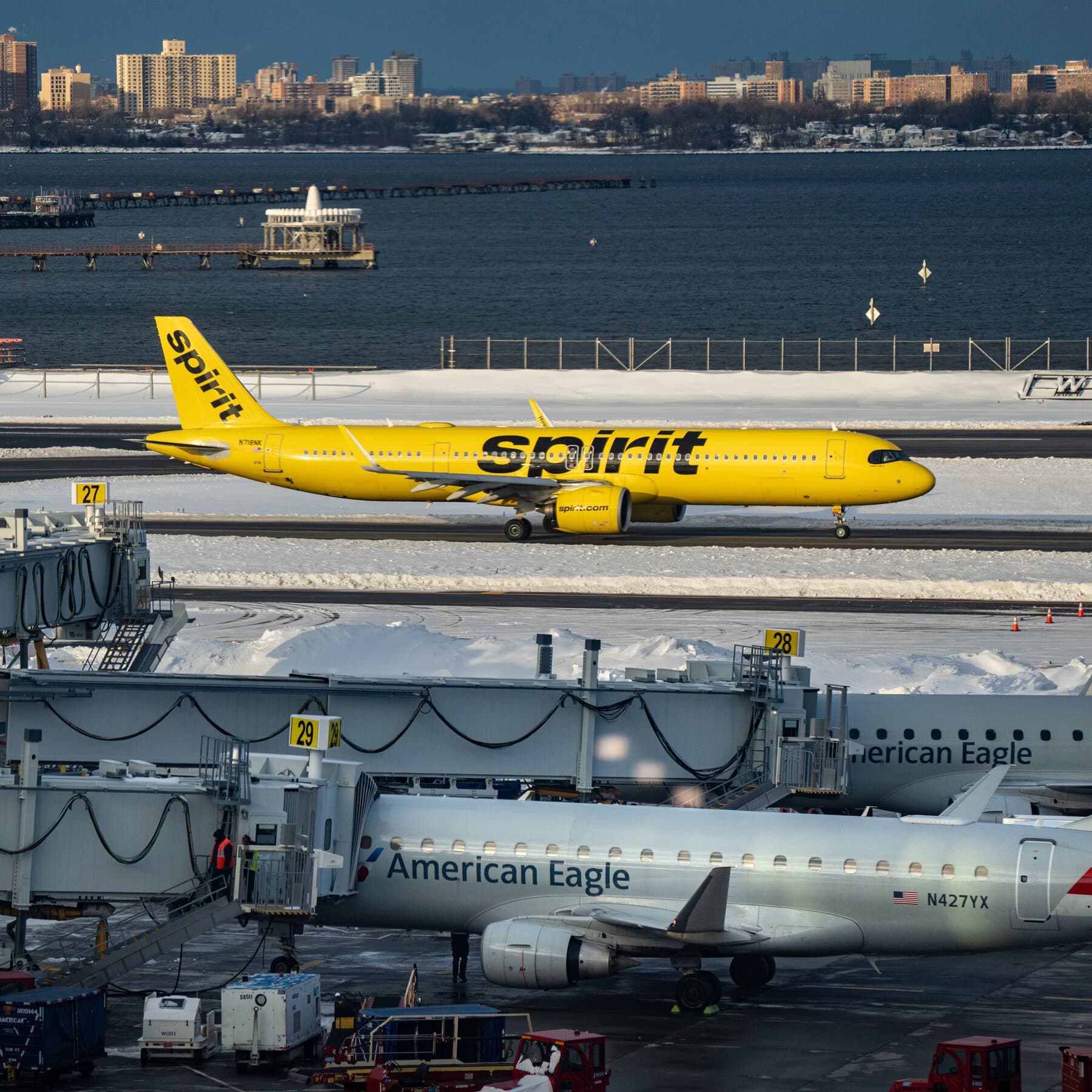
Trump blocks United-American merger talk, seeks buyer for Spirit Airlines
The Trump administration blocking a United-American merger removes a potential capacity consolidation mechanism that could have helped US carriers absorb fuel cost shocks through pricing power, leaving the industry more exposed to margin compression.
Further reading


See Indexa more often on Google
Mark Indexa as a preferred source — your Top Stories will surface more Indexa coverage.