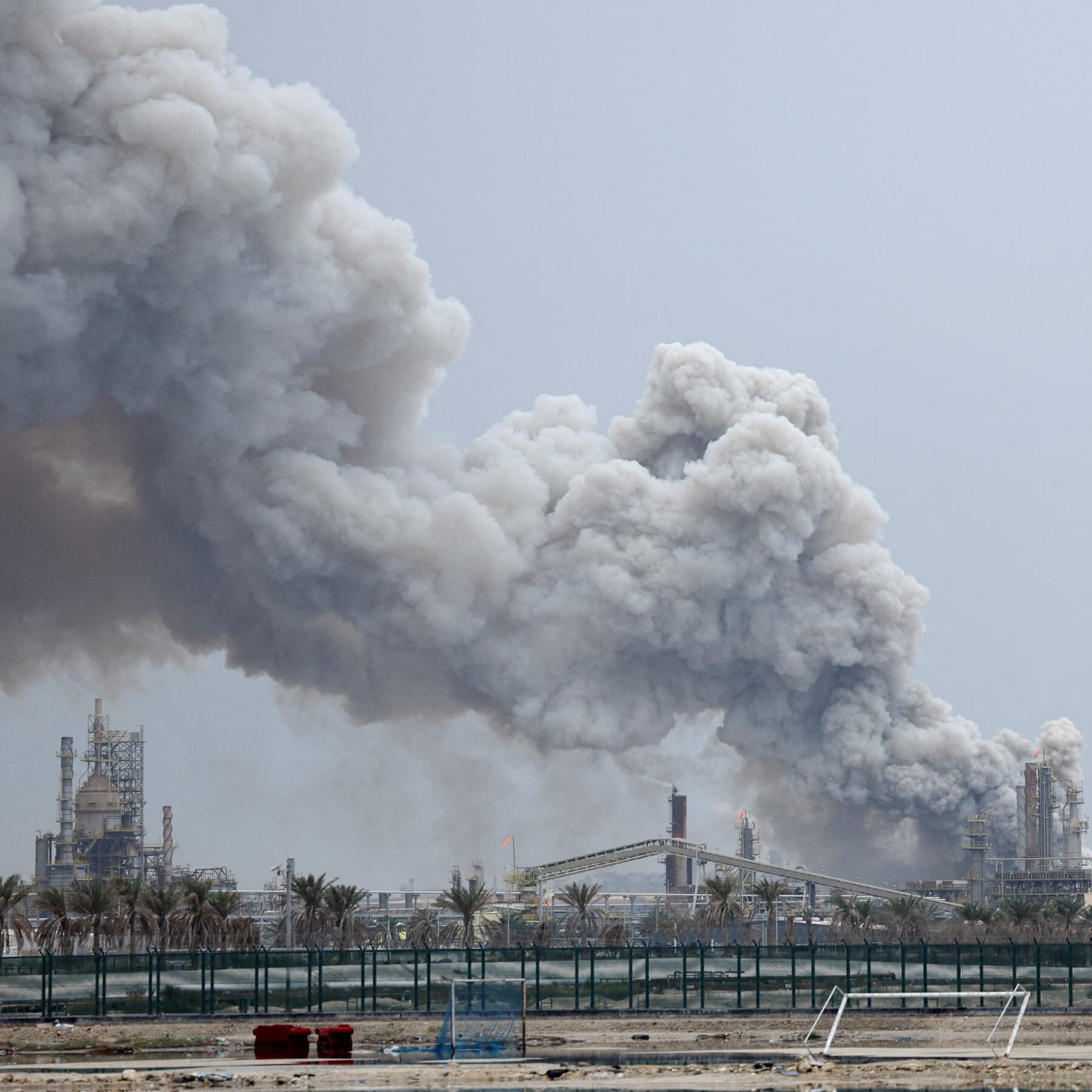
The International Energy Agency has put forward a proposal for the largest release of emergency oil stockpiles in its history, as a war involving Iran threatens to significantly reduce the country's crude exports and sends prices higher across global markets, the Wall Street Journal first reported on Tuesday.
Member states were scheduled to meet later Tuesday to discuss the proposal, though no decision had been made by that point, according to CNBC. A formal vote on whether to proceed was expected Wednesday, the Wall Street Journal reported.
The proposal marks a significant escalation in the coordinated response by wealthy consuming nations to the energy market shock triggered by the conflict. G7 governments welcomed the potential record release, with the BBC reporting broad political support among leading economies for deploying strategic reserves at a scale not previously attempted.
Al Jazeera reported that the IEA had been holding active talks with member states as governments weighed their options. The agency, which was established after the 1973 oil embargo to help co-ordinate emergency energy responses among developed nations, maintains a system under which member countries hold strategic petroleum reserves equivalent to at least 90 days of net oil imports.
Yet the proposal faces significant scepticism about its effectiveness. CNN argued that emergency oil releases would not resolve the underlying crisis, pointing to the scale of disruption to Iranian exports caused by the conflict. Bloomberg similarly framed the situation as a race by the world to protect oil flows in the aftermath of Iran's reduced export capacity, suggesting the structural problem extends well beyond what reserve drawdowns can address.
The episode underscores the acute vulnerability of global energy markets to conflict in the Middle East, and the limited tools available to international institutions when supply disruptions stem from active warfare rather than temporary logistical shocks.