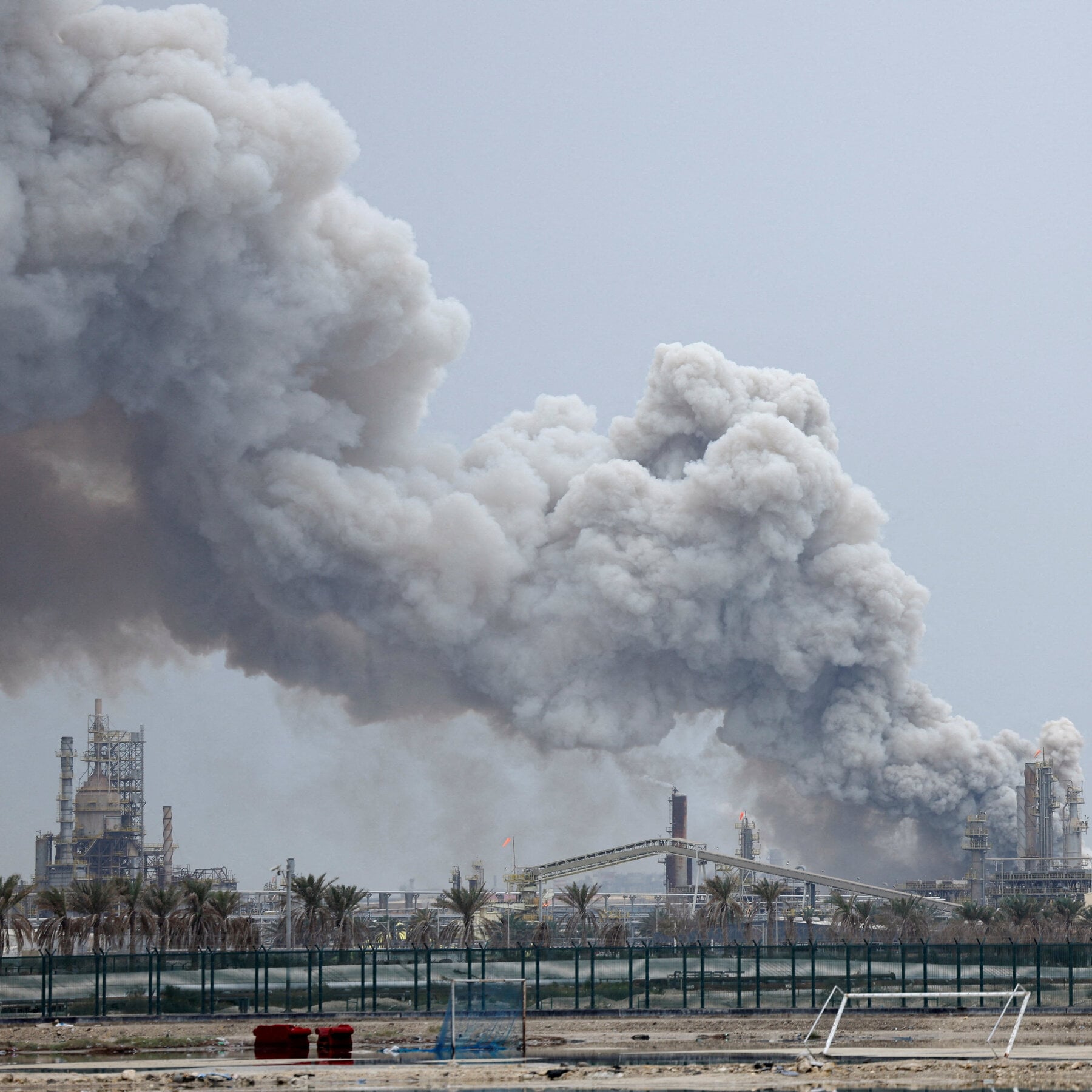
G7 Moves Toward Emergency Oil Release as Iran War Drives Crude Above $100
G7 energy ministers said on Tuesday they support in principle the use of strategic oil reserves to address the price surge caused by the Iran conflict, clearing a political hurdle while stopping short of a formal release decision. The statement follows two days of meetings and shifting signals from the group.
The sequence of events illustrates how fast the situation is moving. On Monday, Reuters cited a G7 official saying there was broad agreement not to release reserves just yet, and both the New York Times and the Washington Post reported that finance ministers had held off. By Tuesday morning the posture had shifted to conditional endorsement, with energy ministers signalling readiness to act.
The IEA has reportedly proposed its largest coordinated reserve release in its history. MarketWatch cited figures of 300 to 400 million barrels being made available, a volume that would comfortably exceed the 60 million barrel release authorised after Russia's 2022 invasion of Ukraine. IEA executive director Fatih Birol participated in the G7 finance ministers meeting, according to the IEA itself.
Markets responded sharply to the reserve release reports. According to CoinDesk, crude oil futures dropped from $114 to $102 after news of the G7 discussions broke, unwinding part of a roughly 25 percent spike tied to the Iran conflict. Oil had crossed $100 a barrel for the first time in four years, according to the Financial Times.
Two structural risks complicate any price fix from a reserve release. First, the Strait of Hormuz remains a critical constraint: the timing of safe passage for vessels through the chokepoint is uncertain, and even a partial or temporary closure would offset the price impact of any drawdown. Second, the prospect of persistent low-level Iranian drone attacks on energy infrastructure could keep supply premiums elevated well into 2026 regardless of how much oil wealthy nations pump from storage.
CNN has argued separately that emergency releases will not resolve the underlying crisis, a view that finds some support in the fact that reserve drawdowns address supply availability in consuming nations but do nothing to restore production or transit routes in the Gulf.
Elsewhere in markets, one analyst cited by the Guardian forecast gold above $6,000 an ounce by the third or fourth quarter of this year, a level that would imply continued flight to safe-haven assets even if oil stabilises. US February inflation data, due at 12:30 GMT on Tuesday with consensus at 2.4 percent, will offer the next read on whether energy costs have yet fed materially into consumer prices.
