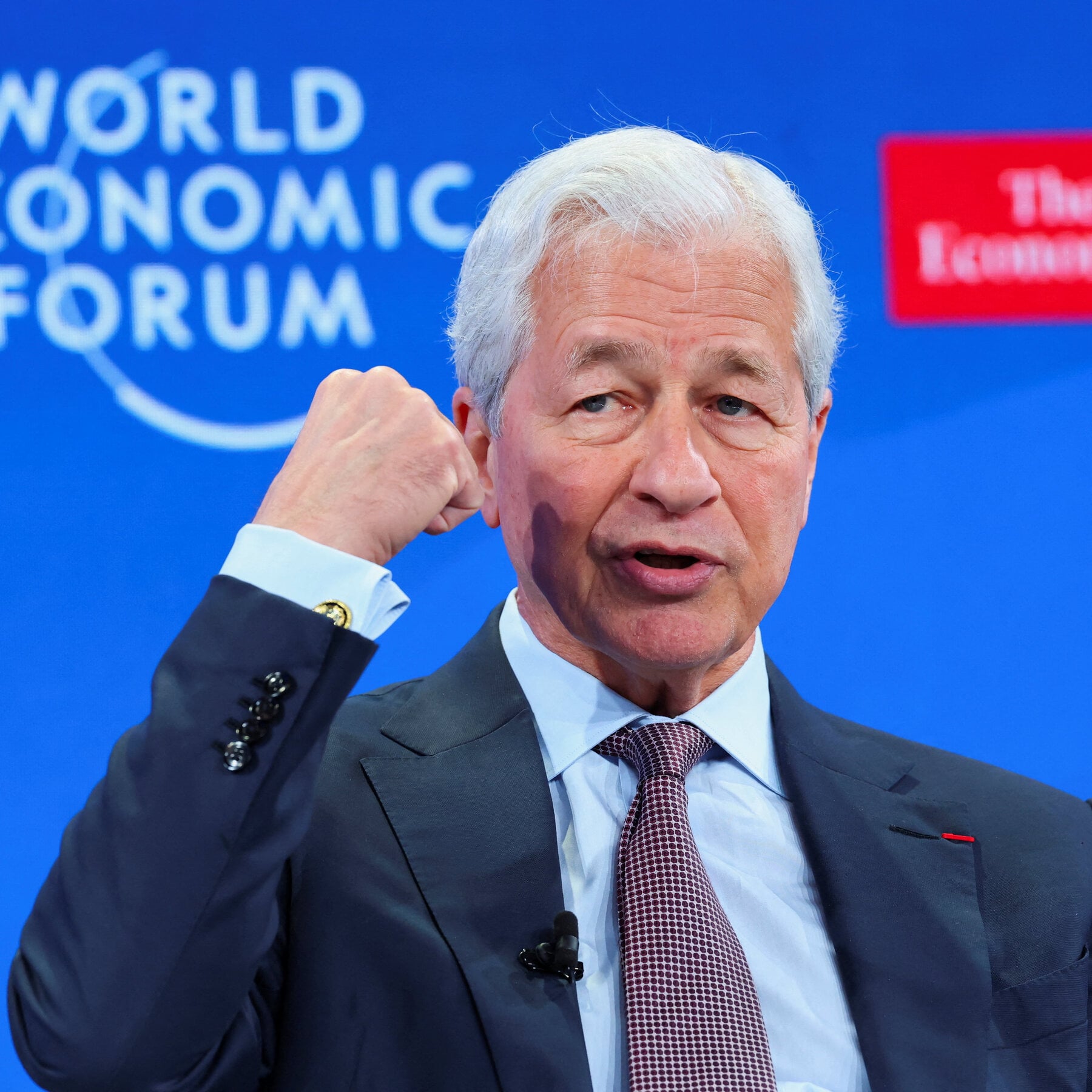
Dimon sets out a broad risk register for 2026
Jamie Dimon's annual letter to JPMorgan shareholders, published on 6 April, identified three interlocking risk clusters: geopolitical conflict, the rapid expansion of private credit markets, and the uneven integration of artificial intelligence into the financial system.
On geopolitics, Dimon was explicit that the ongoing Iran war could prove economically disruptive, warning that the conflict has the potential to reignite inflation and keep Federal Reserve rates higher for longer. He also cautioned that rising oil prices could trigger a recession and a bear market, with the threat characterised as a potential "skunk at the party" for equity markets. His framing, reported by Reuters, CNN, the Associated Press, the New York Times and MarketWatch, was unusually direct for a document that typically balances risk acknowledgment with reassurance.
Private credit received notable attention as a structural concern. The asset class has expanded rapidly in recent years, moving significant volumes of lending off bank balance sheets and into less regulated vehicles. Dimon's decision to single it out alongside AI and geopolitics positions private credit risk at the same level of institutional concern as more widely discussed macro threats.
The letter also carried a domestic policy dimension. Dimon called on the United States to get stronger and to preserve both its economic and military power, framing the appeal around the country's approaching 250th anniversary. Bloomberg and Seeking Alpha characterised this as a broader recommitment to American ideals rather than a narrowly partisan argument.
The full annual report and shareholder letter were published directly by JPMorganChase alongside the media coverage.