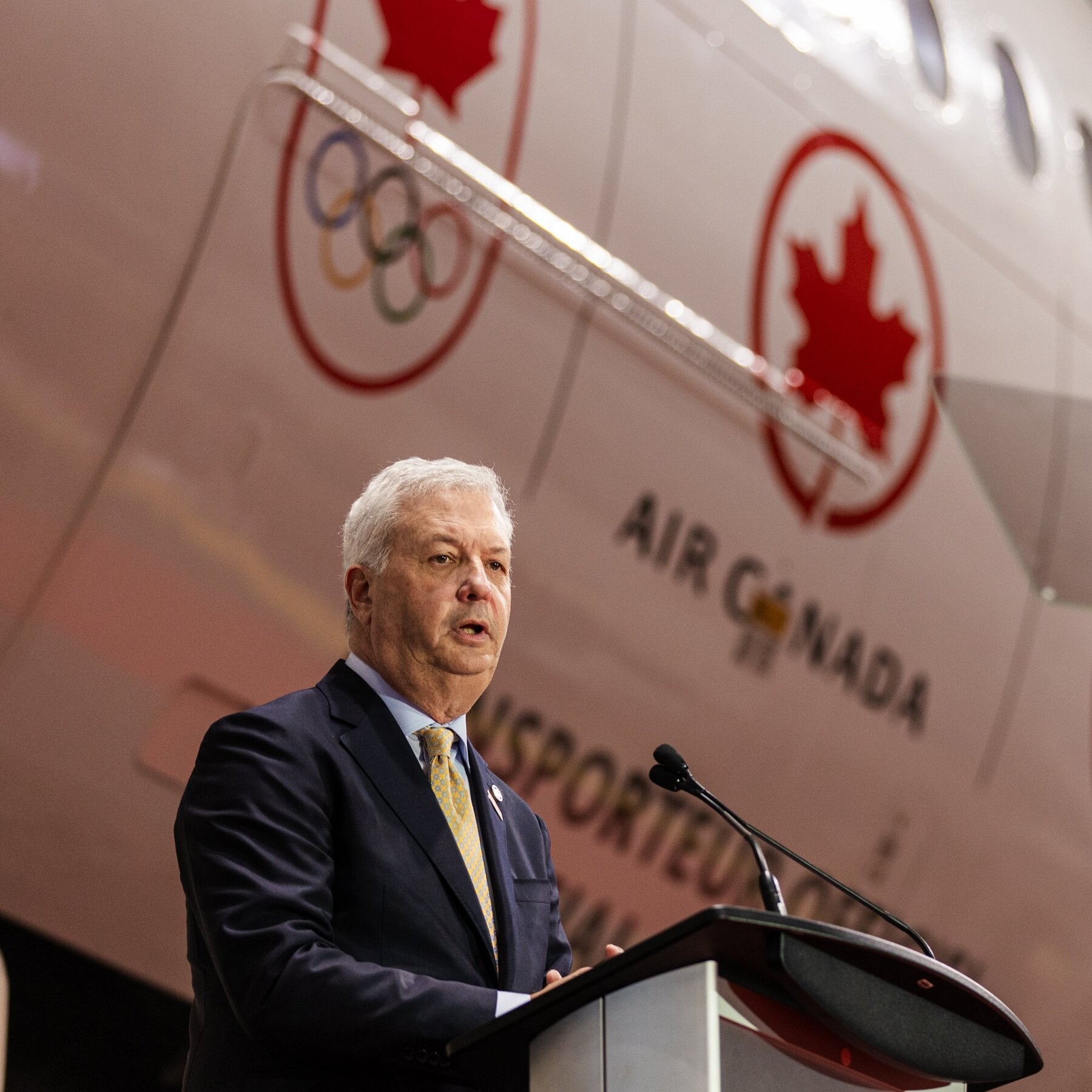
Air Canada CEO Rousseau to step down after language row over crash video
Michael Rousseau will leave Air Canada as president and chief executive by the end of the third quarter of 2026, the carrier announced on Monday, following an acute political and public backlash over his handling of a fatal accident at New York's LaGuardia airport.
On 22 March, an Air Canada Jazz flight collided with a fire truck on the LaGuardia runway after landing, killing its two pilots, Antoine Forest, 30, and Mackenzie Gunther. Aviation experts credited both men with actions that saved the lives of the passengers aboard. Forest was francophone.
Rousseau recorded a four-minute condolence video in which he spoke only two French words: "bonjour" and "merci." Air Canada is headquartered in Montreal, operates under Canada's Official Languages Act, which enshrines French alongside English as official languages, and its own communications policy requires all public statements to be bilingual.
The reaction was immediate and cross-party. Prime Minister Mark Carney said he was "extremely disappointed" and that the video showed a "lack of compassion" towards the victims' families. Quebec's National Assembly passed a motion overwhelmingly calling on Rousseau to resign. The office of the commissioner of official languages reported receiving more than 2,000 formal complaints by 27 March.
Rousseau issued a written apology, acknowledging that his "inability to speak French" had "diverted attention from the profound grief of the families." He stated that despite "many lessons over several years" he remained unable to express himself adequately in French, though he said he was continuing his efforts. That apology itself drew further scrutiny: Rousseau had come under fire in 2021 for addressing a major Montreal event only in English, at which point he told reporters that having lived in the city for 14 years without needing to learn French was a "testament to the city." He subsequently promised to take language courses and had reportedly accumulated 300 hours of French instruction before delivering the video in question.
Rousseau will remain at the helm and on the board of directors until his retirement date. Air Canada said it would begin a search for his successor. The airline's next chief executive will inherit the task of restoring the carrier's standing in Quebec, its largest home market by revenue contribution, at a moment when French-language legislation in the province has become an increasingly charged political issue.