US producer prices post biggest annual gain since 2022 in April
Wholesale inflation rose 6% year-on-year, driven by energy costs, with grocery prices also climbing.
Briefing
- US wholesale inflation accelerated to its highest level in four years in April, reducing near-term prospects for Federal Reserve rate cuts and signalling further consumer price pressure ahead.
- Producer prices rose 6% on an annual basis in April, the largest increase since 2022, exceeding market expectations.
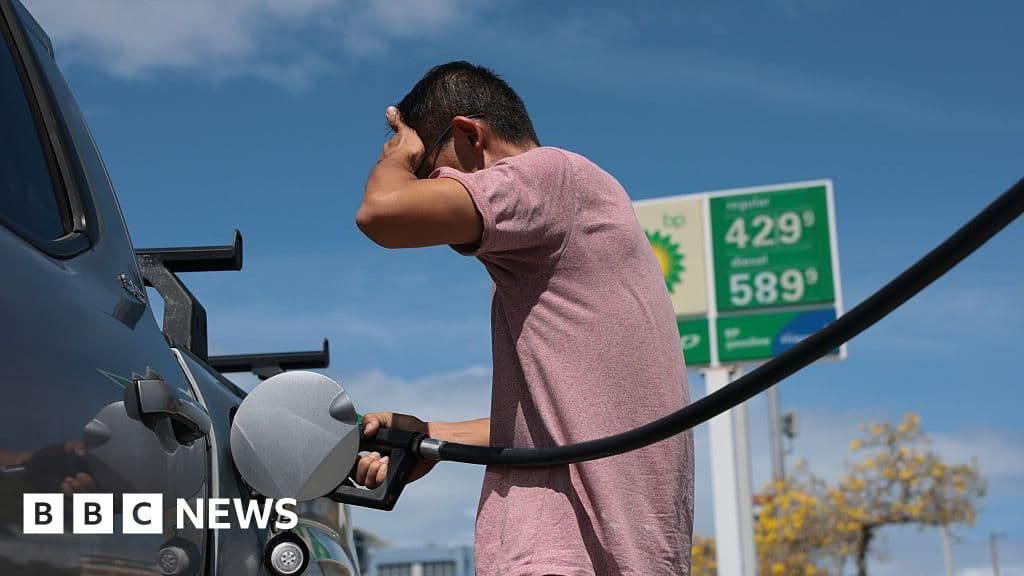
- Energy costs, particularly higher gas prices, were the primary driver of the April surge, though grocery prices also rose, indicating price pressures are not confined to a single category.
- The S&P 500 pointed to a muted open following the release, with markets pricing rates as likely to remain on hold given the persistence of upstream inflation.
Analysis
- The Fed is now locked into a hold posture for the remainder of 2026: a 6% PPI print compounding a 3.8% CPI reading eliminates any residual probability of near-term cuts. With Warsh confirmed and on record as hawkish, the policy function has shifted; the upstream price pressure from energy and groceries in PPI will feed CPI with a 1-3 month lag, meaning the June and July prints are unlikely to provide relief. Rate-sensitive sectors including REITs, utilities, and long-duration growth equities face sustained multiple compression.
- Equity markets face a compounding de-rating from two simultaneous data points: the S&P 500 already pointed to a muted open on the PPI release, and the prior session's CPI-driven selloff in chip stocks is now reinforced. A 6% PPI alongside a 3.8% CPI narrows corporate margin expansion assumptions as input costs stay elevated, hitting industrials and consumer staples hardest where energy and food represent direct cost lines rather than demand signals.
- The Trump administration's gas tax suspension proposal faces a narrowing political window: with PPI at a 6% annual rate and energy cited as the primary driver, the urgency argument for congressional approval strengthens, but the 18.4 cents per gallon relief cap is immaterial against a backdrop of $4.50 national average gasoline. Even full enactment provides less than 4% retail price relief, insufficient to break the inflationary feedback loop the Fed is now forced to respond to with continued rate holds.
Historical Context
- 2022
US PPI last hit current levels during the 2021-2022 inflation surge, which preceded a 525 basis-point Fed tightening cycle. The current 6% annual PPI reading matches that episode's intensity, reinforcing why Warsh's Fed cannot signal cuts without credibility loss.
- 2021-2022
Energy-driven PPI spikes during the post-COVID reopening and the 2022 Russia-Ukraine war both fed CPI with a 1-3 month lag as manufacturers and distributors passed through upstream costs. The Iran war energy shock is following the same transmission channel.
- 2019
Trump's 2019 gas tax suspension trial balloon also required congressional approval and died in committee; the 18.4 cents per gallon figure and the legislative pathway are unchanged, establishing a direct precedent for why the current proposal faces the same execution constraints.
Connected Events

US inflation hits 3.8% in April, highest since 2023
April CPI came in at 3.8%, the highest since 2023, with energy costs from the Iran conflict as the primary driver; the April PPI print at 6% now confirms upstream pressure is running ahead of consumer prices, meaning CPI has further room to accelerate before peaking.
China factory-gate inflation hits 45-month high as Iran war energy shock spreads globally
China's factory-gate inflation hit a 45-month high in April on the same energy shock, confirming that PPI acceleration is a global phenomenon rather than a US-specific print, reducing the probability that US upstream cost pressures resolve quickly through import substitution.

Senate confirms Kevin Warsh as Federal Reserve chair, succeeding Jerome Powell
Kevin Warsh's Senate confirmation clears the path for a hawkish Fed chair who has made no public commitment to rate cuts; the 6% PPI print arriving in the same week removes any softening data that might have given a new chair cover to pivot dovish early in the tenure.
Further reading


See Indexa more often on Google
Mark Indexa as a preferred source — your Top Stories will surface more Indexa coverage.