United Airlines cuts 2026 forecast as fuel costs surge
Q1 earnings beat estimates, but rising fuel costs and capacity reduction cloud full-year outlook
Briefing
- United Airlines slashed its full-year 2026 forecast, citing surging fuel costs as the primary driver.
- The carrier announced plans to reduce capacity in response to the elevated cost environment.
- First-quarter earnings topped Wall Street expectations, with premium cabin revenue partly offsetting fuel cost pressure.
- The divergence between a strong Q1 print and a downgraded full-year guide signals that management does not expect near-term fuel relief.
Analysis
- UAL's capacity cuts in response to sustained fuel cost pressure directly compounds the jet fuel shortage story: fewer scheduled seats tighten domestic supply at the same time airfares are already up 24% on Iran-war fuel disruption. This removes the typical airline demand destruction mechanism that would ordinarily cap fare increases, meaning CPI travel components stay elevated longer than the Fed's baseline assumes.
- Trump blocking UAL-AAL consolidation removes UAL's primary strategic rationale for absorbing a distressed competitor at a time when its own cost structure is deteriorating. The combination of a downgraded 2026 guide, no consolidation optionality for the major domestic network, and unhedged fuel exposure narrows UAL's re-rating paths to either fuel price relief or premium cabin revenue acceleration, neither of which management is forecasting.
Historical Context
- 2022
Fuel cost spikes in 2022 forced broad airline capacity cuts and contributed to a multi-quarter earnings reset across US carriers. Airlines that had not hedged fuel and simultaneously faced labor cost inflation saw the longest guide-down cycles, with recovery only materializing once jet fuel retreated from peak levels.
- 2008
During the 2008 oil spike, United and other legacy carriers cut capacity aggressively, which initially supported fares but accelerated balance sheet stress. The episode established that capacity reduction is a two-edged response: it defends yield per seat but destroys revenue volume, compounding fixed-cost deleverage.
Connected Events
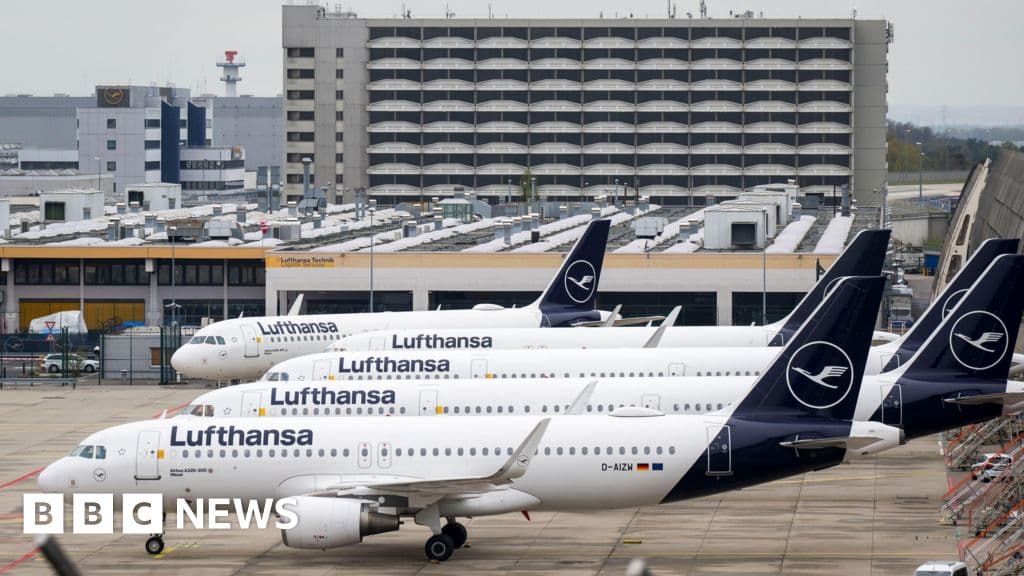
Iran war drives jet fuel shortage, pushing airfares up 24% ahead of summer
The Iran war is already driving a reported 24% surge in airfares and warnings of an imminent jet fuel shortage severe enough to threaten summer flight schedules, making UAL's fuel cost forecast deterioration a confirmed rather than speculative risk.
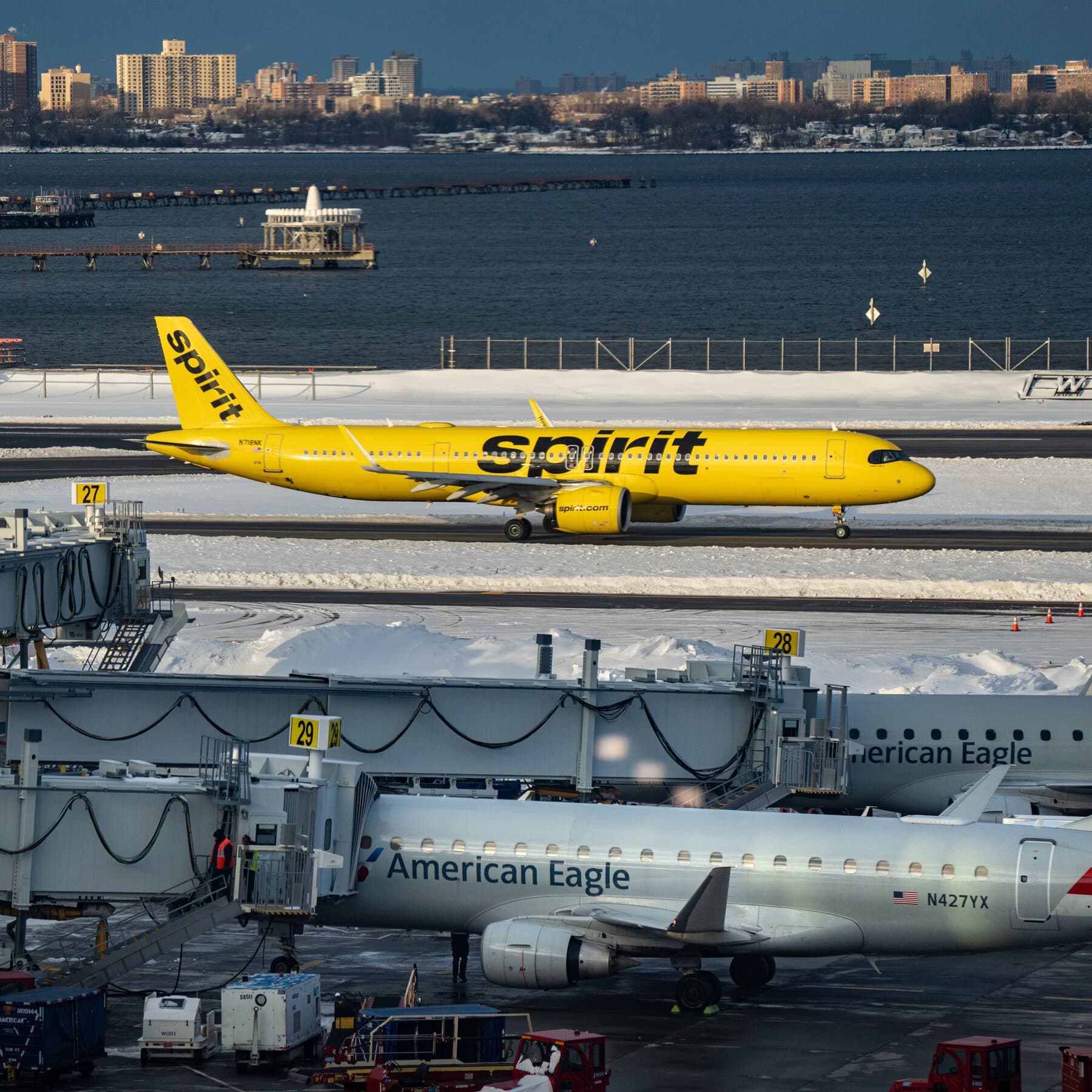
Trump blocks United-American merger talk, seeks buyer for Spirit Airlines
Trump's explicit blocking of a UAL-AAL merger eliminates what had been the most discussed strategic response available to United for managing network scale against a deteriorating cost environment.
Further reading
Related Stories
JD.com Q2 net profit rises 15% as food-delivery losses narrow
3 days ago
CoreWeave posts $2.6bn revenue as backlog hits $104bn
3 days ago
 BBC Business
Trump Media posts $238m Q2 loss, abandons crypto push to refocus on Truth Social
See Indexa more often on Google
Mark Indexa as a preferred source — your Top Stories will surface more Indexa coverage.
