US Airlines Pass Fuel Costs to Passengers
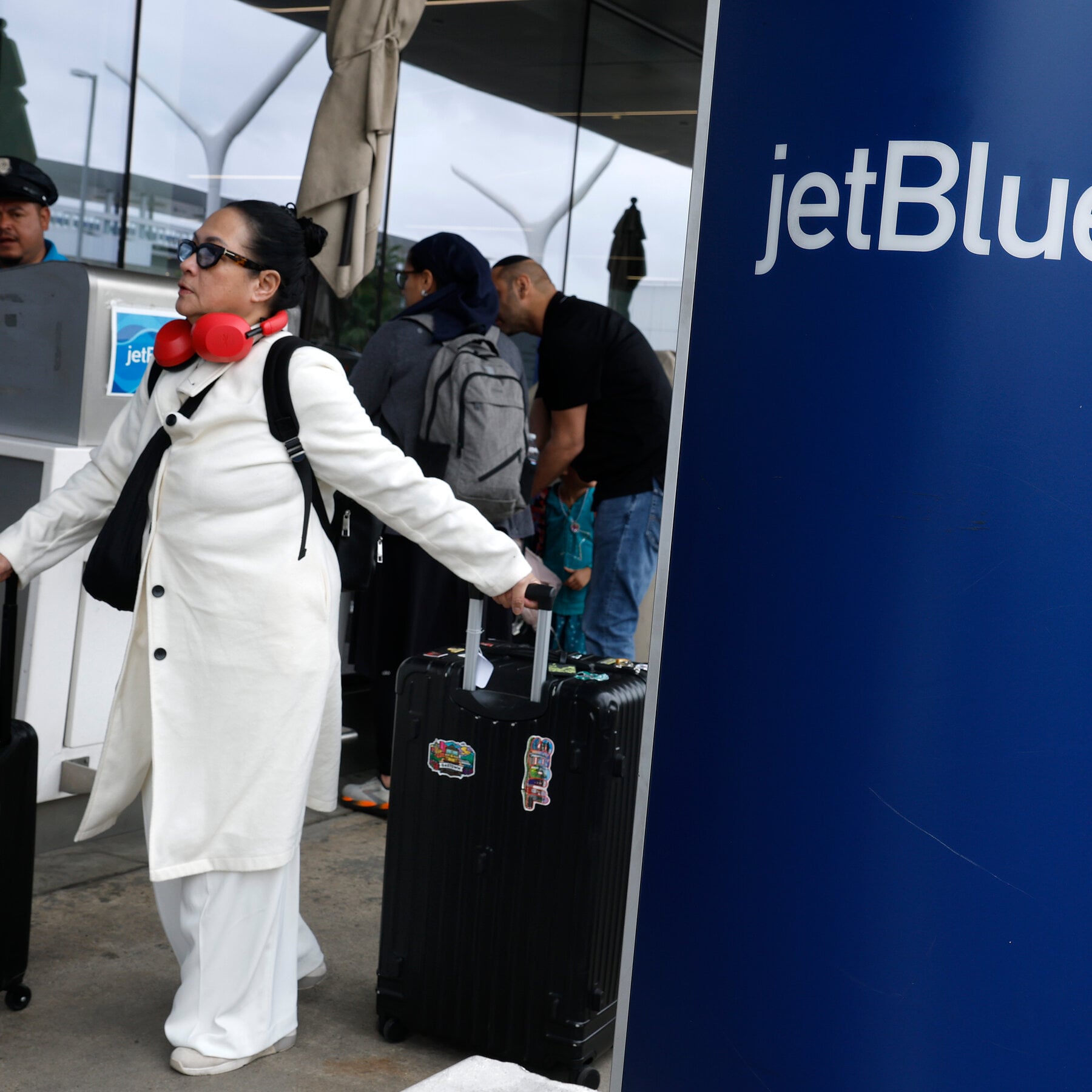
United Airlines raised its checked bag fees effective April 3, with increases ranging from $10 to $50 across fare categories, and simultaneously introduced tiered premium fares, according to AP. JetBlue moved first, raising its checked bag fees by at least $4, according to CNBC and the New York Times, citing the same fuel cost pressure.
The proximate cause is a near-doubling of fuel prices since the US entered the war with Iran, according to AP and Fox Business. Fuel is typically the largest single operating cost for US carriers, and the speed of the back-to-back increases — two major carriers within one week — points to pricing pressure that airlines do not expect to be short-lived.
United is the second carrier this week to move on bag fees, CBS News reported, suggesting the industry is coordinating its response to cost inflation through ancillary revenue rather than base fare increases, which draw more direct competitive scrutiny.
For portfolio managers tracking airline equities, the relevant question is whether fee increases are sufficient to offset the fuel cost shock or merely a partial hedge. The sources do not provide unit revenue or cost-per-available-seat-mile data to answer that question definitively, but the pace and scale of fee adjustments indicate management teams are treating elevated fuel prices as a sustained condition rather than a transient spike.