Briefing
- A crypto bank venture linked to the Trump family has secured a national bank charter, with the UAE's national security advisor holding a 49% stake, creating an unusual intersection of presidential family finance and foreign sovereign influence.
- The Abu Dhabi sheikh involved is described by the WSJ as the UAE's top intelligence official, raising foreign ownership and national security questions for a federally chartered US bank.
- The stake represents a near-majority position at 49%, structuring foreign control just below a threshold that would typically trigger heightened regulatory scrutiny.
- The US regulator granted the national bank charter while its approval decision explicitly catalogued the conflicts of interest presented by the application, an acknowledgement without precedent in standard charter approvals.
- Congressional and regulatory pressure on the venture is likely to intensify, as the charter approval documentation itself provides a ready-made record for oversight challenges.
Analysis
- DJT faces a sustained regulatory and congressional overhang as the charter approval document itself provides a pre-built evidentiary record for oversight challenges. A near-majority (49%) stake held by the UAE's top intelligence official in a federally chartered US bank is structurally unprecedented; the OCC's own acknowledgment of conflicts of interest in the approval text removes the regulator's ability to claim ignorance, raising the probability of congressional hearings, GAO review, or Bank Secrecy Act compliance scrutiny that could freeze the venture's operational rollout.
- The 49% UAE sovereign stake structuring exposes a gap in the Bank Holding Company Act and FDIC foreign-ownership thresholds that regulators must now address publicly, creating compliance uncertainty for other crypto firms pursuing bank charters. The OCC's explicit conflict-of-interest catalogue in the approval sets a disclosed-but-granted precedent that competing charter applicants will cite, while simultaneously giving reform advocates a concrete case to tighten foreign-ownership rules for federally chartered institutions.
Historical Context
- 2022-2023
The FDIC and OCC tightened crypto-bank partnership rules following Silvergate and Signature Bank failures, issuing joint guidance requiring banks to notify regulators before engaging in crypto activities. That framework is the direct regulatory ancestor the Trump crypto bank charter must now operate under, with foreign-ownership scrutiny layered on top.
- 2019
The Committee on Foreign Investment in the United States (CFIUS) blocked the acquisition of MoneyGram by Ant Financial on national security grounds, citing Chinese state influence over a US payments firm. The UAE national security advisor's 49% stake in a federally chartered US bank presents a structurally analogous foreign-sovereign-influence-over-financial-infrastructure concern that CFIUS or its legislative successors could invoke.
Connected Events
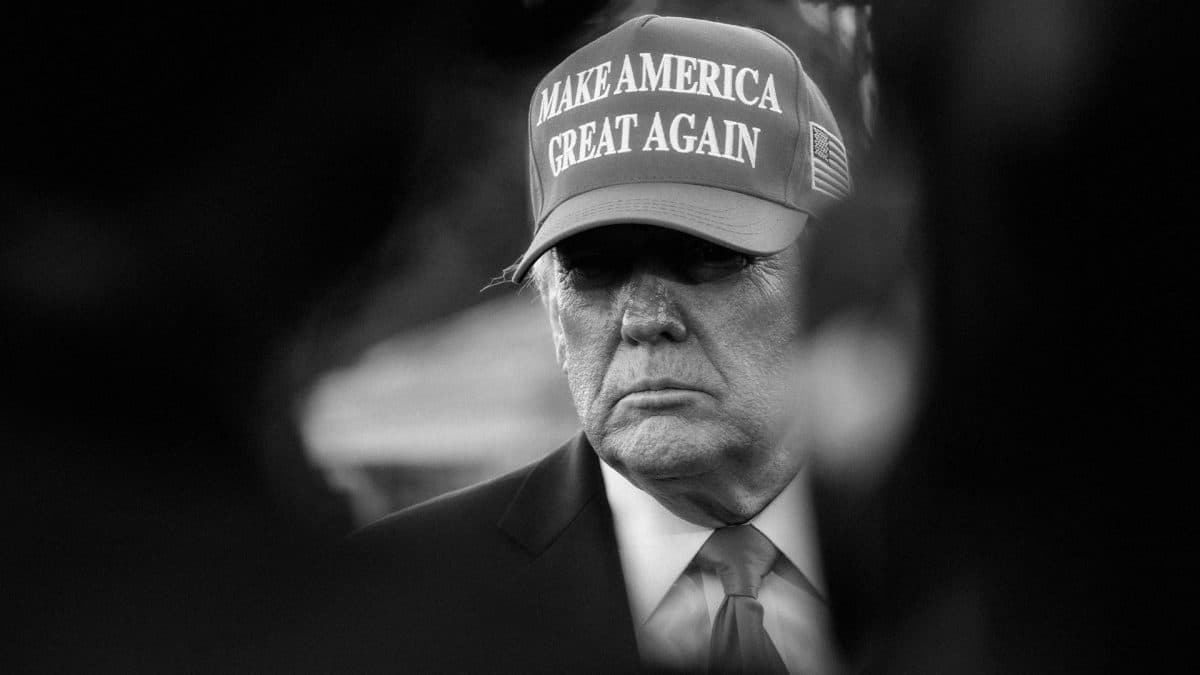
HYPE token surges 20% after Trump says CFTC pursuing compliant US access for Hyperliquid
The Trump administration's simultaneous use of presidential signals to advance crypto regulatory pathways (CFTC pursuing Hyperliquid US access) and family financial involvement in a federally chartered crypto bank creates a compounding conflict-of-interest narrative that intensifies congressional scrutiny of both policy tracks.

Citi to offer Bitcoin custody for institutional clients via new Custody+ platform
Citi's institutional Bitcoin custody launch and the $2.6bn weekly ETF inflow wave signal that regulated crypto infrastructure is becoming mainstream at exactly the moment the Trump family crypto bank's charter approval introduces a foreign-sovereign-ownership precedent that could trigger retroactive tightening of bank-crypto licensing standards.
Further reading


See Indexa more often on Google
Mark Indexa as a preferred source — your Top Stories will surface more Indexa coverage.
