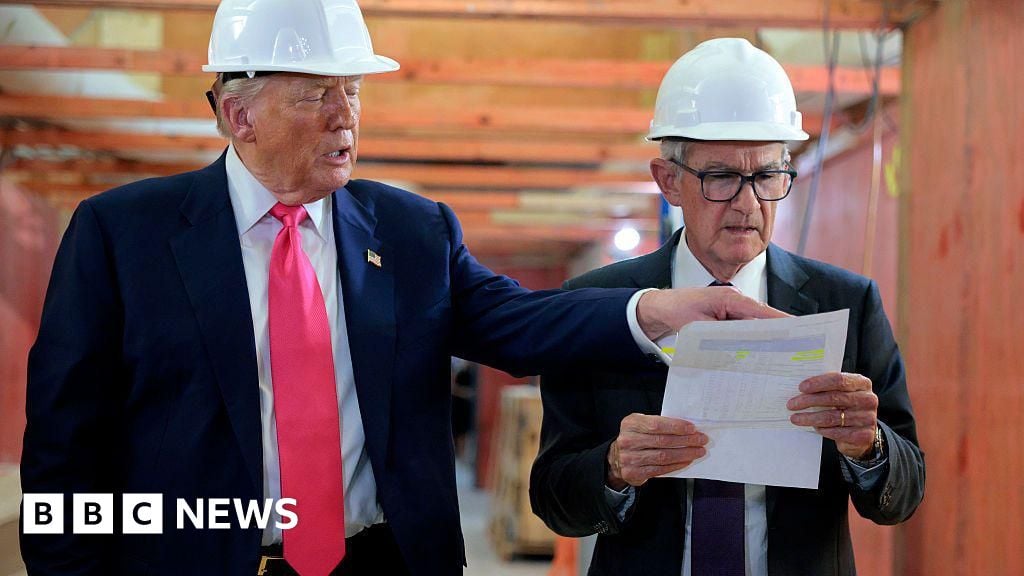
Trump moves toward direct confrontation with Fed leadership
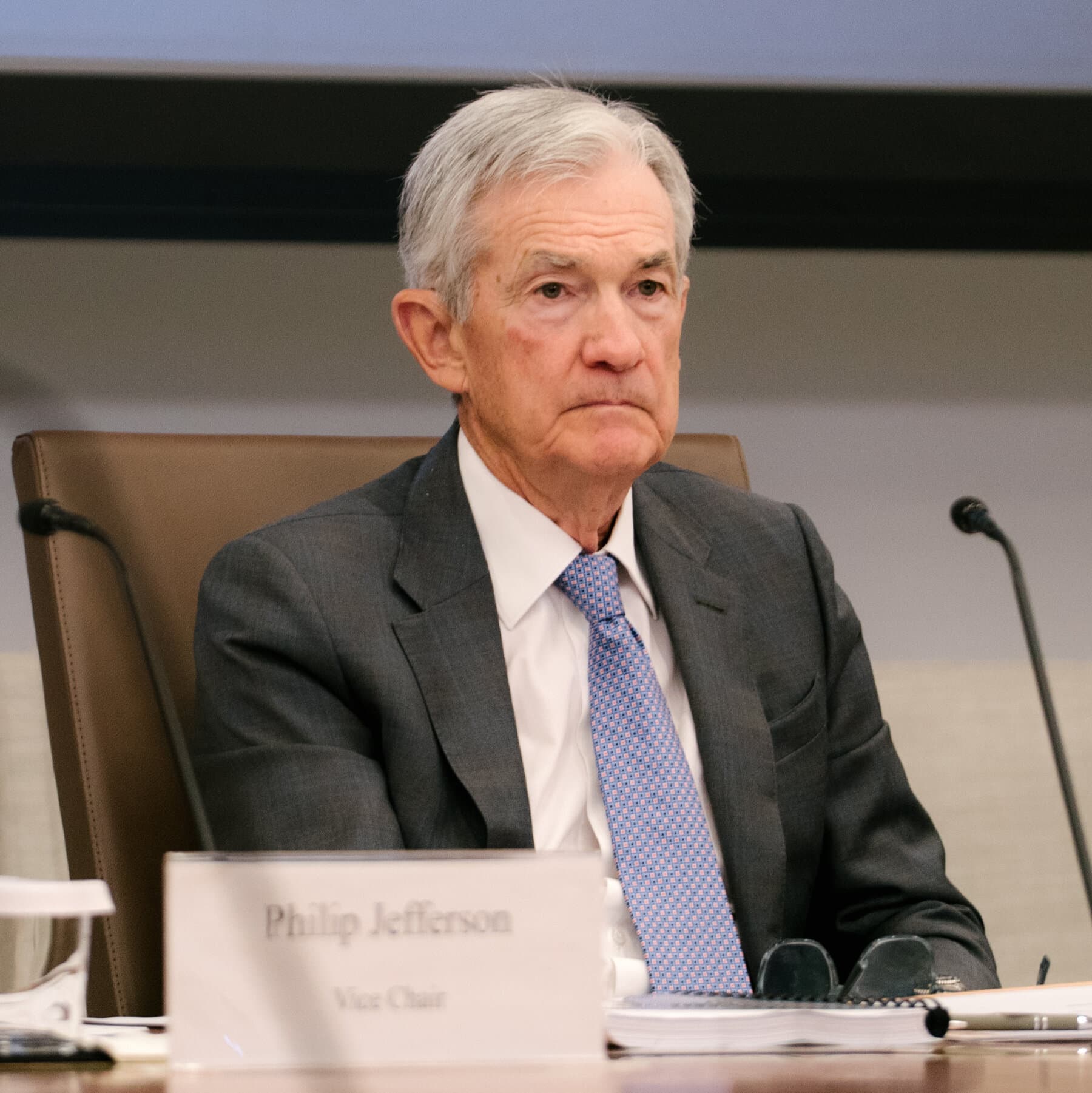
President Trump threatened on Wednesday to fire Federal Reserve Chair Jerome Powell unless he steps down voluntarily by May 15, escalating a long-running dispute with the central bank's leadership into an explicit ultimatum. In an April 15 Fox Business Television interview, Trump called Powell "incompetent" and said he would move to dismiss him if Powell remains in any capacity after his chair term expires.
Powell's term as Fed chair officially expires on May 15, but his tenure at the institution does not end there. Under the Fed's governance structure, he holds a seat as a Board governor until 2028. Powell stated in March that he has no intention of leaving until a Department of Justice investigation into the Fed's headquarters renovation is "well and truly over," declining to commit to the convention under which most outgoing Fed chairs have historically departed after being replaced.
Trump confirmed he would not intervene to halt that DOJ probe, a proceeding that the White House appears to view as additional leverage over the institution. The Financial Times reported that Trump insists the Justice Department will not drop the criminal investigation into Powell.
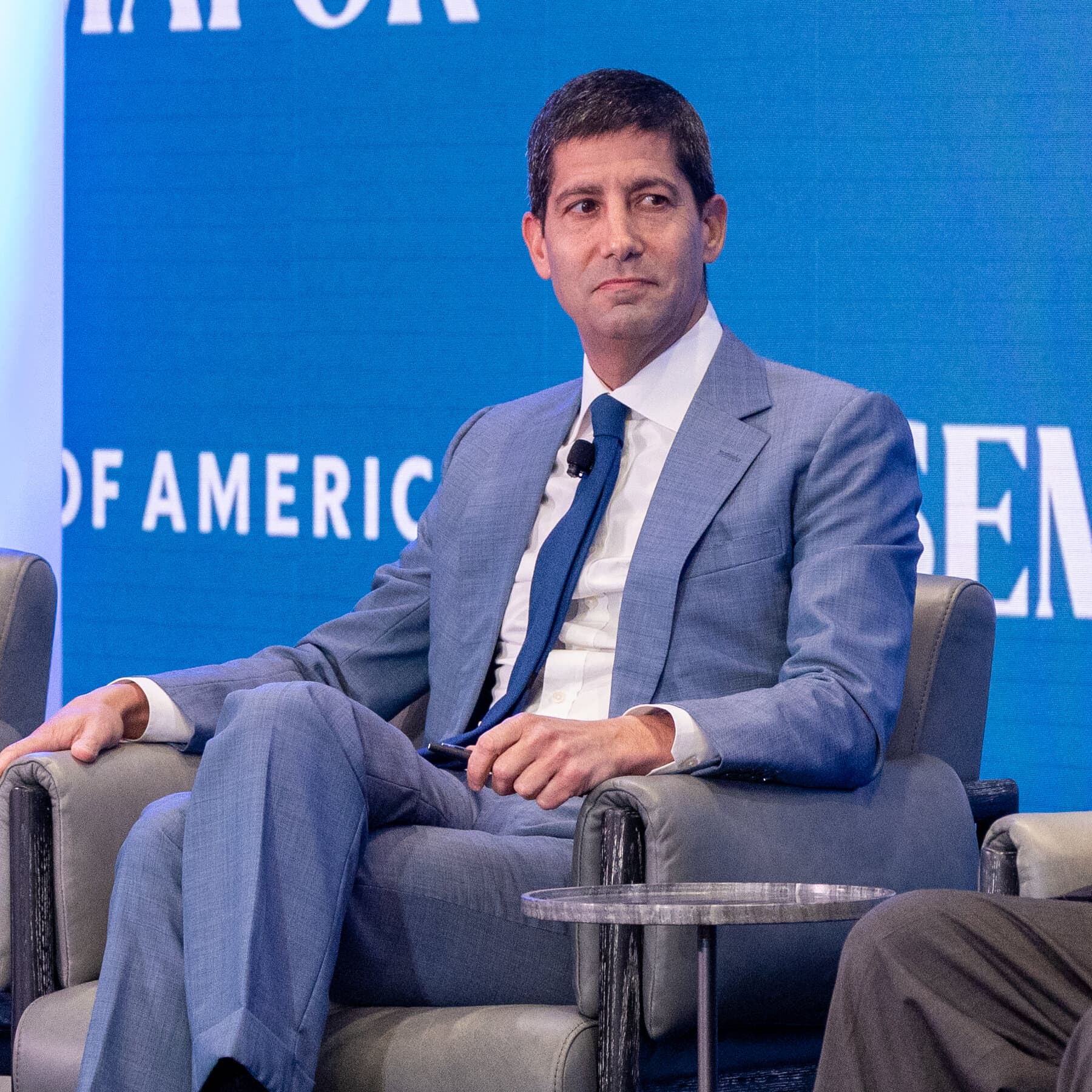
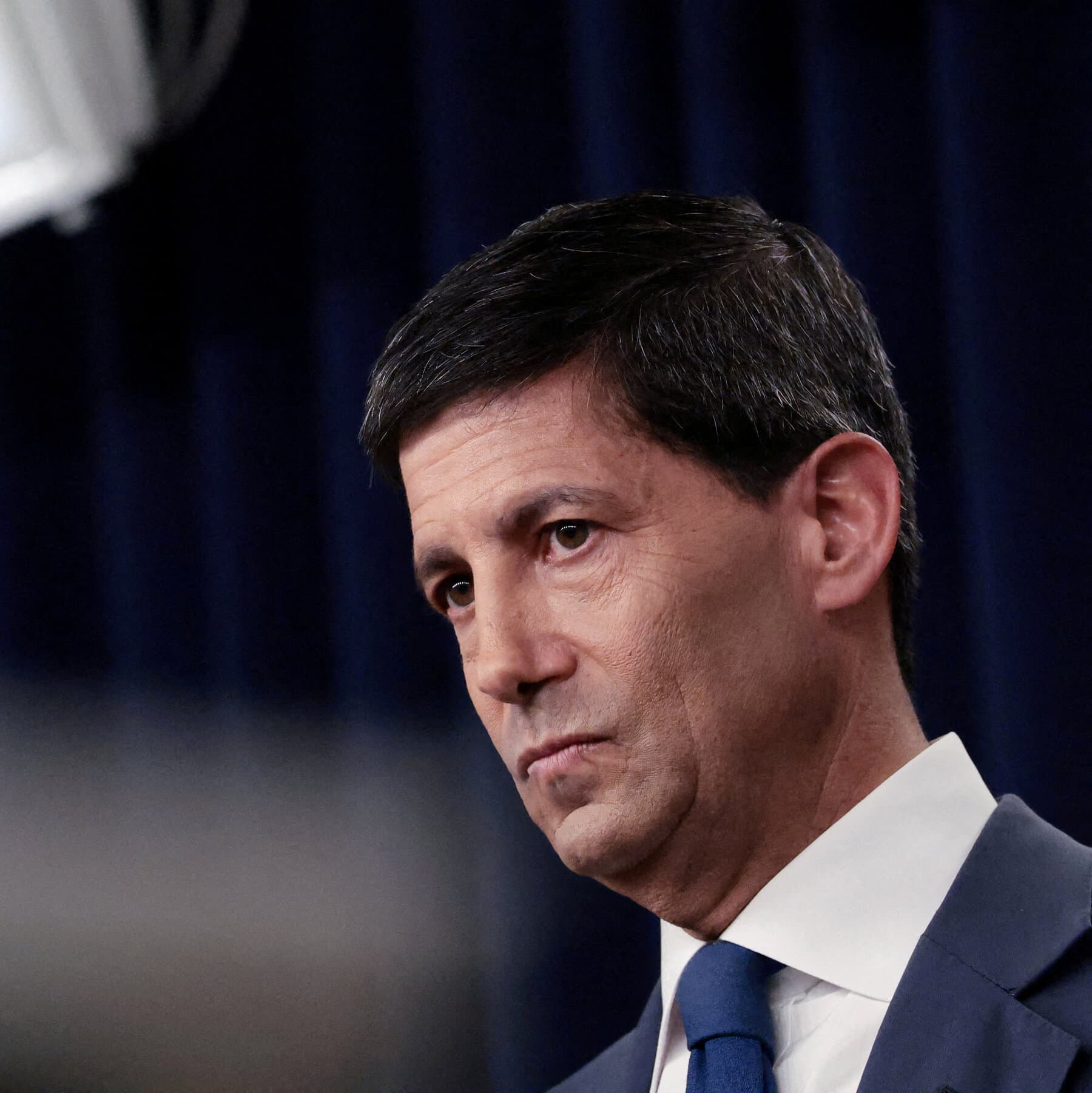
The Trump administration has nominated Kevin Warsh to succeed Powell, but his confirmation remains tied up in the Senate. Trump himself acknowledged that the standoff could complicate Warsh's confirmation prospects.
The threat to fire a sitting Fed chair would test legal boundaries that have never been formally adjudicated at the Supreme Court level. The Federal Reserve Act states that governors may be removed only "for cause," a standard generally interpreted as requiring misconduct rather than policy disagreement. Any attempt by Trump to remove Powell would almost certainly trigger immediate litigation and could destabilise expectations for interest rate policy at a time when the Fed is navigating persistent inflation and an uncertain growth outlook.
Markets have grown increasingly sensitive to signals about Fed independence, and a protracted constitutional dispute over Powell's status would introduce a new layer of uncertainty into an already volatile environment for rates and the dollar.