SEC grants five-year innovation exemption for tokenized US stock trading
Qualifying venues can trade tokenized equities on public blockchains without exchange registration, excluding synthetics
Briefing
- The SEC's Innovation Exemption removes the exchange-registration barrier for tokenized US stock trading on public blockchains, the most concrete regulatory green light the sector has received and a direct enabler of 24/7 equity markets.
- The exemption carries a five-year term, trading caps, and transparency requirements, limiting scope while the agency monitors market integrity.
- Synthetic price-tracking tokens are explicitly excluded, and individual companies retain the right to block tokenization of their own shares, narrowing the addressable universe for platform operators.
- The exemption was published two days after the Senate voted to block the Clarity Act crypto market structure bill, positioning the SEC as the de facto rule-setter in the absence of congressional action.
- Platforms pursuing tokenized equity offerings must now assess whether their structures qualify under the exemption's conditions or remain subject to full exchange-registration obligations.
Analysis
- Tokenized equity platform operators face a bifurcated compliance cost structure: those whose architectures qualify under the five-year exemption gain a competitive moat over rivals forced into full exchange-registration, which carries materially higher capital and operational requirements. The exemption's trading caps and transparency conditions create a natural ceiling on addressable volume, limiting revenue upside even for qualifying platforms. Coinbase and Robinhood, already building onchain equity infrastructure, are the most direct beneficiaries if their structures qualify.
- S&P Global's $110M Kaiko investment, directed explicitly at tokenized securities data infrastructure, is validated as a strategic entry point by the SEC exemption. Tokenized equity markets now have a regulatory pathway, accelerating institutional demand for the continuous market data Kaiko provides. Competing data vendors without comparable institutional backing face a narrowing window to establish market position before the Kaiko-S&P Global infrastructure becomes the default for compliant platforms operating under the exemption.
Historical Context
- 2023-2024
The SEC's approval of spot Bitcoin ETFs via staff action rather than legislation set the precedent for agency-level green lights shaping crypto market structure in the absence of congressional frameworks. That decision similarly bypassed legislative gridlock and immediately enabled a new product class, compressing the timeline for institutional participation.
- 2000s
The SEC's Regulation ATS granted alternative trading systems a registration exemption that allowed non-exchange equity venues to operate with lighter requirements, directly enabling the proliferation of dark pools and ECNs. The tokenized equity exemption follows the same structural logic: a bounded carve-out that allows innovation under monitoring without requiring full exchange registration.
Connected Events
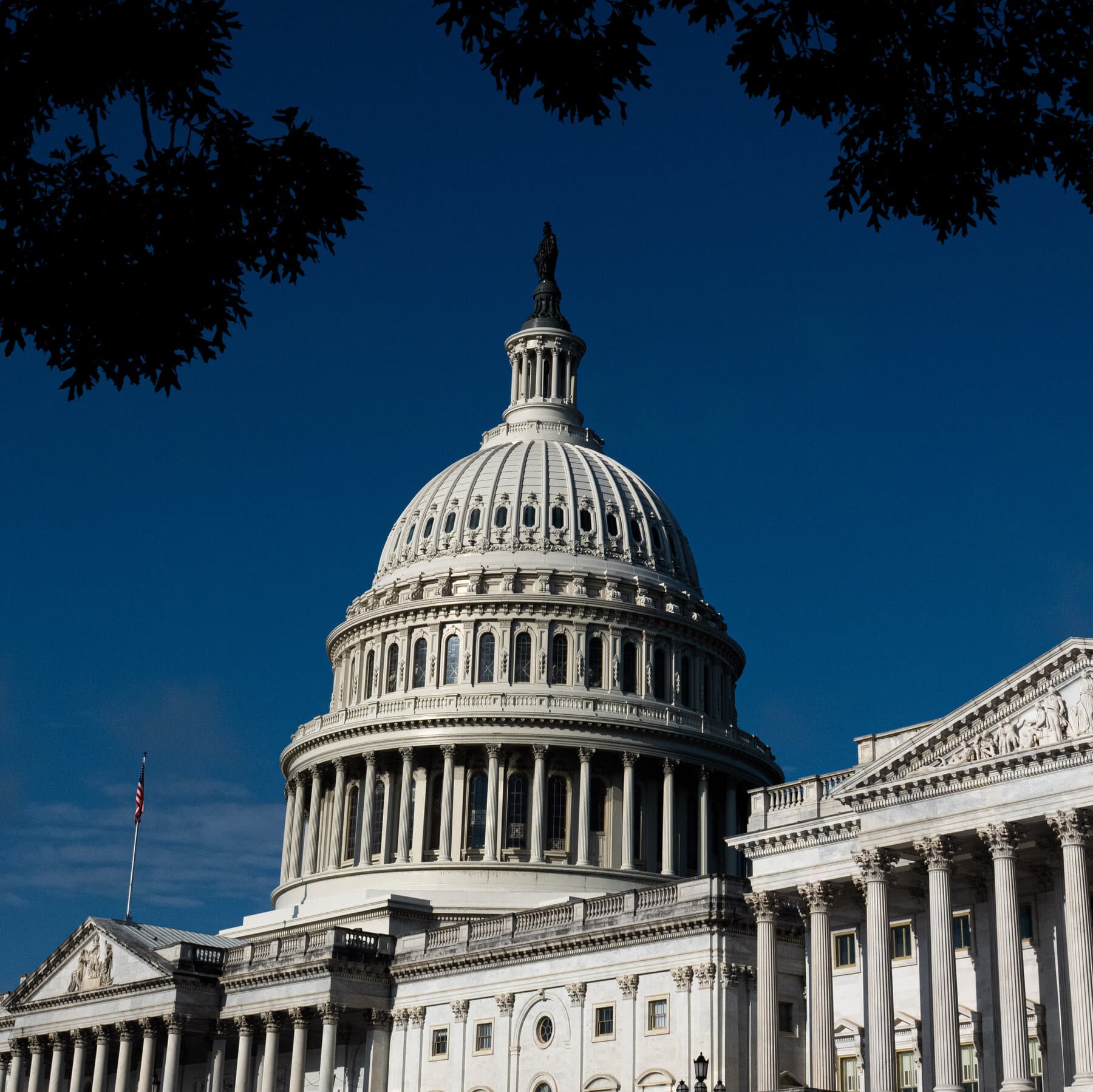
US Senate Fails to Advance Crypto Clarity Act in Cloture Vote
The Senate's 49-50 cloture vote killing the Clarity Act, published two days before the SEC exemption, is the direct legislative failure that prompted SEC agency action. The exemption's publication timing confirms the SEC is moving to fill the vacuum rather than wait for Congress.

S&P Global leads Kaiko Series B extension to $110M
S&P Global leading Kaiko's $110M Series B extension into tokenized securities data infrastructure is now directly validated by the SEC exemption creating a regulated market for tokenized equities. The institutional data moat Kaiko is building has a clearer commercial runway than it did before the exemption.

Standard Chartered sets $10 ARB target by 2030, implying 70-fold gain
Standard Chartered's ARB target rests on Arbitrum becoming a preferred settlement network for TradFi tokenization. The SEC exemption allowing public blockchain-based tokenized US stock trading is the most concrete near-term catalyst for that thesis, though the fee-revenue-to-token-price transmission gap Standard Chartered itself flagged remains unresolved.
Further reading


See Indexa more often on Google
Mark Indexa as a preferred source — your Top Stories will surface more Indexa coverage.
