OPEC+ approves further output hike as Strait of Hormuz traffic recovers
Gulf crude flows rebounding after disruption, with the cartel accelerating supply restoration across member quotas.
Briefing
- OPEC+ has ratified another round of oil output quota increases, with Bloomberg reporting the agreed hike at 188,000 barrels per day, adding supply as Strait of Hormuz export volumes recover from prior disruption.
- The decision is described by market observers as largely symbolic until a U.S.-Iran peace deal is fully secured and the Strait of Hormuz is completely reopened to shipping traffic.
- A Reuters survey showed OPEC crude output jumped in June as Gulf producers began reviving supply, suggesting the physical market is already absorbing incremental barrels.
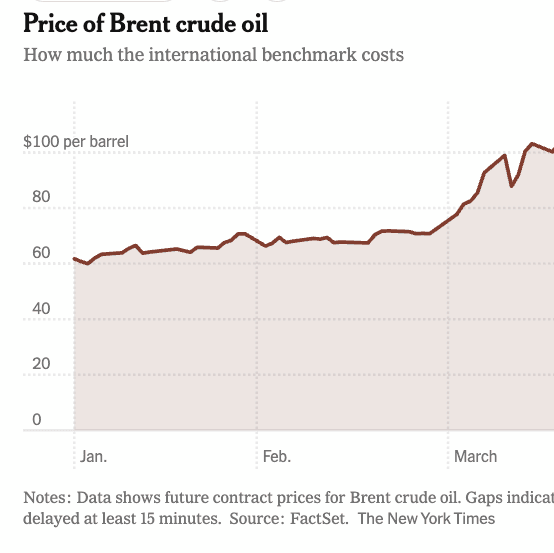
- Oil prices have fallen back toward pre-conflict levels even as OPEC+ pledges further output increases, reflecting simultaneous demand-side uncertainty and rising supply.
- The forward read for oil markets remains bearish on the margin: traders are watching whether physical liftings keep pace with quota increases and whether the Iran situation stabilises sufficiently to convert paper allocations into actual exports.
Analysis
- Brent crude faces sustained downward pressure over the next 1-3 months as simultaneous OPEC+ quota increases and normalising Hormuz tanker flows convert paper supply additions into physical export volumes. The June Reuters survey already shows Gulf producers reviving supply before this latest ratification, meaning the market is absorbing incremental barrels now, not at a future date. Demand-side uncertainty compounds the bearish read: the price floor is narrowing from both ends.
- Downstream US energy companies already under DOJ and FTC price-gouging scrutiny face a compounding headwind: falling oil prices reduce the 'gouging' narrative but do not dissolve the multi-jurisdictional legal exposure already triggered by the joint state AG letter. Refiners and independent fuel retailers that benefited from prior price dislocations remain inside the enforcement perimeter regardless of where crude settles.
- Canadian heavy crude differentials face additional near-term widening pressure before the structural narrowing thesis from the new West Coast pipeline plays out. Lower global crude benchmarks compress absolute netbacks for Alberta producers, and with the new pipeline years from completion, WCS sellers remain captive to discounted US Midwest buyers. The bearish OPEC+ signal arrives before any tidewater relief is available.
Historical Context
- 2022-2023
OPEC+ successive production cuts through 2022-2023 demonstrated that quota decisions without Hormuz passage reliability produce limited physical impact. The current episode inverts that dynamic: normalising Hormuz flows are the enabling condition that makes quota increases transmit directly into export volumes and price pressure.
- Apr 2020
The April 2020 Hormuz and global tanker disruption during COVID demand collapse showed how physical flow normalisation, when it arrived, amplified price recovery. The current recovery of Hormuz traffic is the reverse mechanism: restored flows accelerate bearish supply transmission rather than bullish demand recovery.
- Nov 2014
OPEC's November 2014 decision to maintain output despite falling prices triggered a multi-year crude bear market as Gulf producers prioritised market share over price support. The current ratification of further increases echoes that posture, particularly with demand uncertainty already elevated.
Connected Events

DOJ and FTC formally ask state AGs to join gas price-gouging probe
The DOJ and FTC formal request to state AGs to join a gas price-gouging probe means falling crude prices from OPEC+ increases arrive simultaneously with heightened legal scrutiny of downstream pricing behaviour, compressing the margin window for fuel retailers caught between lower input costs and enforcement risk.
Canada backs new West Coast oil pipeline to reduce reliance on US market
Canada's endorsement of a new West Coast oil pipeline to access Asian benchmarks becomes more strategically urgent as OPEC+ supply increases push global crude benchmarks lower, since Alberta producers need tidewater access to escape the WCS-WTI discount that widens when global prices fall.
Further reading

See Indexa more often on Google
Mark Indexa as a preferred source — your Top Stories will surface more Indexa coverage.