New Jersey petitions Supreme Court to rule on prediction market sports betting regulation
Circuit court splits on state authority create legal uncertainty that only SCOTUS can resolve
Briefing
- New Jersey has become the first state to petition the U.S. Supreme Court to establish definitive federal jurisdiction over sports-event contracts traded on prediction markets, a question that lower courts have failed to resolve consistently.
- The petition follows conflicting rulings across multiple appeals courts on whether states retain authority to regulate or restrict prediction markets' sports products.
- A key 9th U.S. Circuit Court of Appeals ruling on sports-event contracts directly preceded New Jersey's SCOTUS filing, suggesting that decision accelerated the state's legal strategy.
- If the Supreme Court accepts the case, the outcome will determine whether prediction market operators face a patchwork of state-level restrictions or a single federal regulatory framework, with material consequences for platforms currently offering sports contracts.
Analysis
- A Supreme Court acceptance of New Jersey's petition creates a binary regulatory outcome for prediction market operators: either federal preemption eliminates state-by-state restrictions, clearing the path for national sports-contract products, or SCOTUS affirms state authority, fragmenting the market into 50 distinct compliance regimes. Kalshi and Polymarket carry the most direct exposure given their scale and pending U.S. licensing ambitions; a state-authority ruling would compound Polymarket's existing CFTC scrutiny and Trump Jr. conflict-of-interest narrative.
- The 9th Circuit ruling that directly preceded New Jersey's petition suggests appellate courts are producing irreconcilable outcomes on sports-contract jurisdiction, raising the probability SCOTUS grants certiorari. If it does, the extended litigation timeline, likely 18-24 months to a final ruling, delays capital deployment decisions for platforms seeking to monetize sports markets and keeps compliance costs elevated industry-wide during the interim.
Historical Context
- 2018
Murphy v. NCAA saw the Supreme Court strike down PASPA, ruling the federal prohibition on state sports betting laws unconstitutional. That decision devolved sports betting regulation to states, producing exactly the patchwork New Jersey now seeks to escape by inverting the argument: asking SCOTUS to establish federal supremacy over prediction market sports contracts.
- 2012-2018
New Jersey's multi-year litigation campaign against the NCAA and major sports leagues to legalize sports betting established the state as the primary legal architect of the modern U.S. sports wagering framework. Its willingness to absorb years of appellate losses before SCOTUS vindication is the direct precedent for its current SCOTUS petition strategy.
Connected Events
Kalshi issues first-ever lifetime ban to ex-congressman George Santos
Kalshi's lifetime ban of George Santos and its 4x punitive fine structure reflects the platform's strategy of demonstrating self-policing credibility precisely as the federal-versus-state jurisdiction question remains unresolved. A SCOTUS ruling favoring state authority would undercut that strategy by empowering states to impose their own enforcement frameworks regardless of platform-level compliance postures.
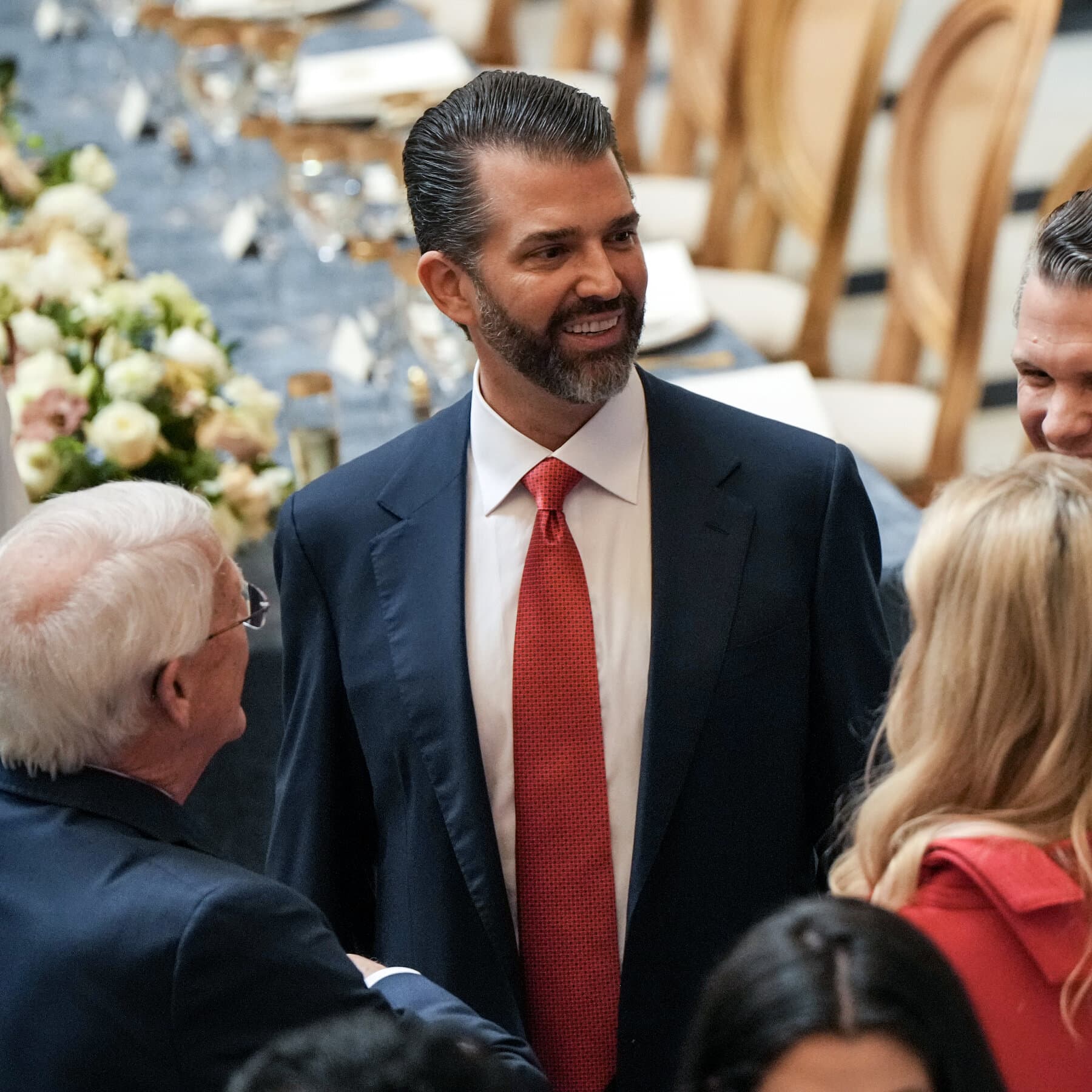
Polymarket raises $1bn at $21bn valuation led by Trump Jr's 1789 Capital
Polymarket's $1bn raise at a $21bn valuation, led by Trump Jr.'s 1789 Capital, makes the SCOTUS jurisdictional outcome directly material to its U.S. expansion timeline. A federal preemption ruling removes state-level barriers that currently constrain Polymarket's sports-contract addressable market; a state-authority ruling compounds its existing CFTC and conflict-of-interest exposure.
Further reading

See Indexa more often on Google
Mark Indexa as a preferred source — your Top Stories will surface more Indexa coverage.
