Kevin Warsh confirmed as Fed chair-in-waiting as internal dissent on rates builds
Powell vows not to act as 'shadow chair' but structural tension with Warsh is seen as unavoidable before transition completes.
Briefing
- Kevin Warsh has cleared a key Senate hurdle, teeing up a final confirmation vote as the next Federal Reserve chair, with Powell's final meeting as chair now behind him.
- Warsh has publicly stated he wants 'messier' Fed meetings with more open internal debate, and multiple Fed officials are already positioned to dissent on rate decisions.
- Powell has pledged not to operate as a shadow chair during the transition period, but analysts and insiders see a clash with Warsh as structurally difficult to avoid.
- Bloomberg has argued Warsh has no compelling macroeconomic justification to cut rates, a view echoed by the composition of the current Fed board which appears ready to resist easing.
- The transition creates a dual-authority ambiguity: markets face a period where the outgoing chair's credibility and the incoming chair's signals may point in different directions.
Analysis
- Warsh inherits the most internally divided Fed committee since 1992, with four dissenters already positioned before he chairs a single meeting. His first policy signal carries disproportionate weight: any framing that aligns with the dissenting minority accelerates front-end repricing, while a hold-and-wait posture compresses short-dated vol temporarily but builds pressure for a larger move later. Powell remaining as governor ensures every split vote is scrutinized for political alignment, structurally widening term premium on longer-dated Treasuries.
- Warsh's stated preference for 'messier' meetings with open internal debate, combined with Bloomberg's view that no compelling macro justification exists for cuts, suggests the new chair's first act is procedural rather than directional: restructuring how the committee deliberates. This raises the probability of more frequent dissents becoming normalized, reducing the signal value of any single FOMC vote and increasing the market's reliance on Warsh's individual communications rather than committee consensus as the primary rate-path anchor.
- The dual-authority ambiguity during the transition, where Powell holds a governor seat he cannot be removed from and has publicly adversarial credibility with the administration, gives currency markets a structural reason to discount the dollar's safe-haven premium during policy uncertainty episodes. Foreign holders of long-dated Treasuries face a Fed where the institutional voice is fragmented and the political environment around central bank independence is contested, compounding the existing term premium widening dynamic.
Historical Context
- 2018-2019
Trump publicly pressured Powell to cut rates, generating significant Fed credibility debates and term premium volatility. That episode resolved with Powell holding firm; Warsh's situation differs because the administration now has a nominee already confirmed who shares a structural incentive to avoid open conflict with the White House, making independence signaling harder to operationalize.
- 1992
The last time Fed dissent reached comparable levels, the committee was navigating a post-recession recovery with divided views on the pace of easing. That episode preceded a prolonged period of rate normalization, but the dissent itself did not persist; it resolved as the macro picture clarified. The current dissent arises with no clear macro trigger for easing, making resolution harder to forecast.
- 1979-1987
The Volcker-to-Greenspan transition created a brief period of institutional uncertainty that temporarily widened Treasury spreads. Greenspan ultimately restored credibility quickly by maintaining Volcker's disinflationary framework. Warsh faces the inverse: he must establish a framework distinct enough to assert authority without signaling a policy reversal that markets would price as politically motivated.
Connected Events
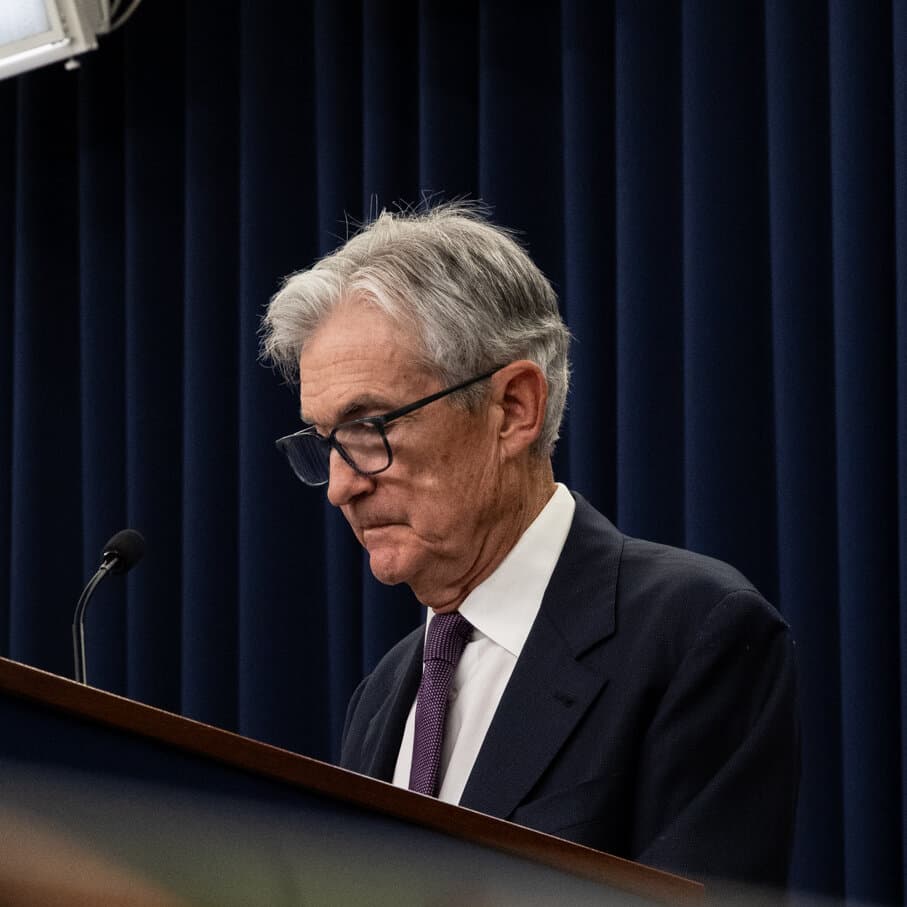
Powell to stay on Fed board, blocking Trump from filling vacancy
Powell's decision to remain on the Fed board as a governor, announced April 30, directly creates the structural dynamic described here: Warsh chairs a committee that includes a member whose views on independence are publicly opposed to the administration, ensuring every split vote is read through a political lens.

Fed holds rates steady; board dissent hits 34-year high
The April 29 FOMC meeting produced four dissents, the highest since 1992, before Warsh has chaired a single meeting. This is the committee Warsh inherits, not one he shapes from a neutral starting point.
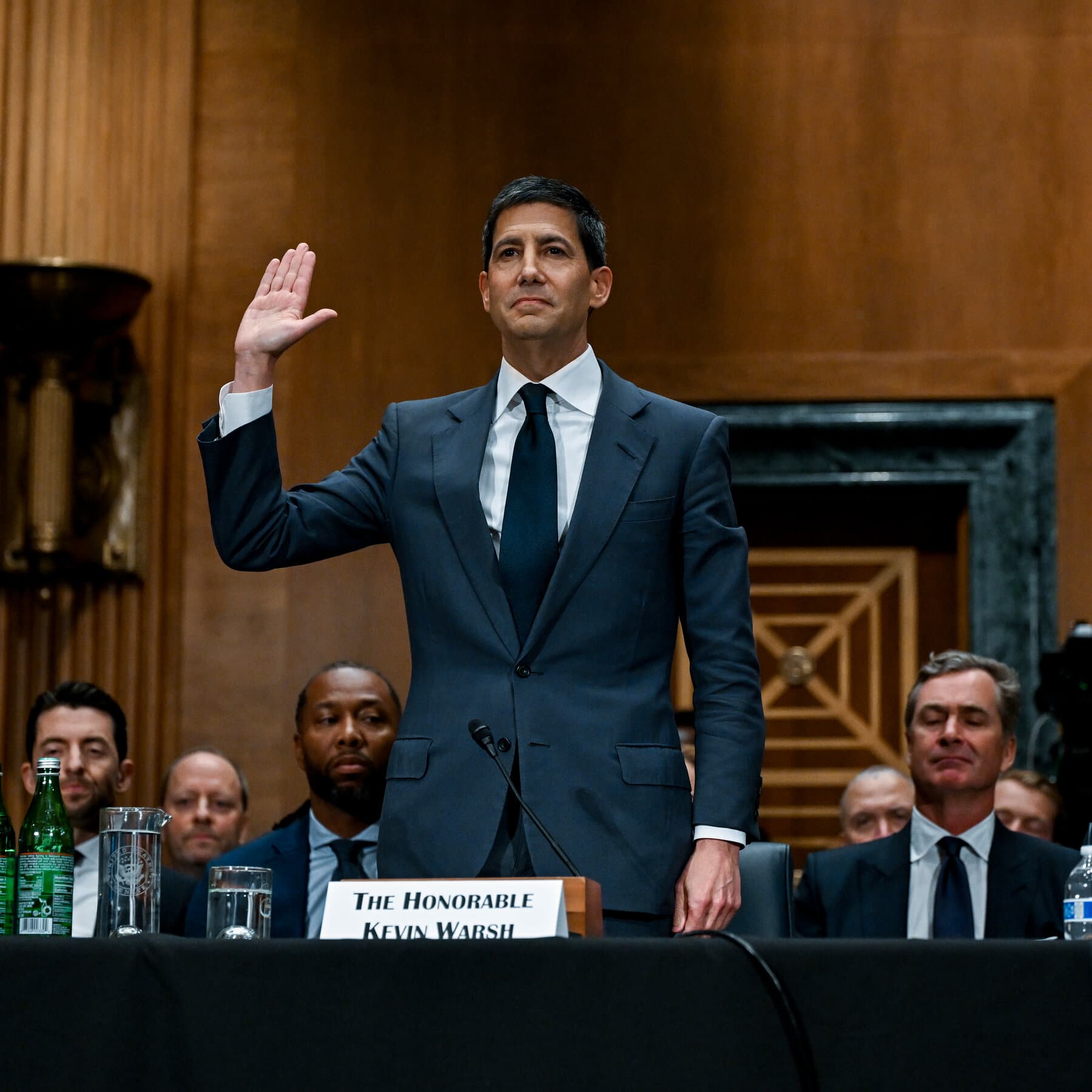
Warsh clears Senate Banking Committee, full Senate vote next
Warsh clearing the Senate Banking Committee on April 27 removed the last procedural block, meaning the transition timeline is now fixed and the dual-authority ambiguity period is a known, bounded risk rather than a contingent one.
Further reading


See Indexa more often on Google
Mark Indexa as a preferred source — your Top Stories will surface more Indexa coverage.
