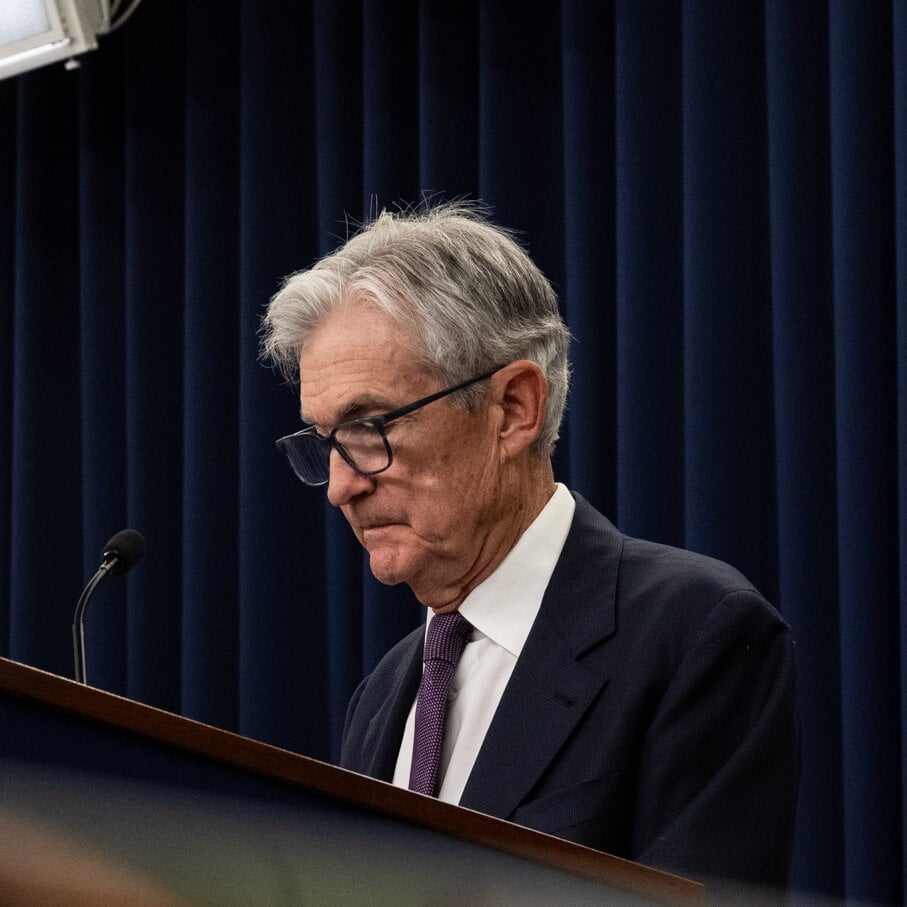
Powell to stay on Fed board, blocking Trump from filling vacancy
Fed holds rates steady amid highest dissent level since 1992, as Warsh nomination advances to chair role
Briefing
- Jerome Powell announced he will remain as a Fed governor after his chair term ends, citing legal actions by the Trump administration as forcing his hand.
- By staying on the board, Powell denies Trump an additional appointment to the Fed's Board of Governors, limiting the president's ability to reshape the institution.
- Powell has vowed to keep a low profile in his role as governor, according to the Financial Times.
- The Fed held rates steady at its latest meeting, but the decision was accompanied by the highest level of internal dissent since 1992.
- Kevin Warsh is on the verge of being confirmed as Fed chair, meaning he will inherit both a board member he cannot displace and a divided policy committee.
- Treasury Secretary Bessent publicly condemned Powell's decision to remain, calling it a violation of Fed norms, signalling an escalating confrontation between the administration and the central bank.
Analysis
- Powell retaining a governor seat reduces Trump's Board of Governors appointments by one, but the more consequential effect is structural: Warsh chairs a divided committee with a sitting governor whose views on independence are publicly adversarial to the administration. Every split vote under Warsh will be read through the lens of political interference, compressing the credibility premium embedded in Fed communications and widening the term premium on longer-dated Treasuries.
- The four-dissent vote inherited by Warsh, combined with Powell entrenched as a governor with an adversarial stance toward the administration, means Warsh's first policy decision carries binary signaling risk. If Warsh moves toward cuts to align with the administration, Powell's dissent becomes a headline event that markets will treat as a credibility test. If Warsh holds, the administration escalates pressure through channels other than board composition. Either path increases realized volatility in front-end rates around Warsh's first FOMC meeting as chair.
Historical Context
- 2017-2018
Trump publicly pressured Powell after appointing him, calling him an 'enemy' and threatening removal. Markets repriced Fed independence risk into term premium. The episode established that presidential attacks on a sitting chair do not produce immediate policy capitulation but do widen the range of outcomes priced into longer-duration Treasuries.
- 1992
The last time FOMC dissent reached the current level, the committee was navigating a post-recession recovery with internal disagreement over the pace of accommodation. The parallel is structural, not cyclical: high dissent signals a committee without durable consensus, which historically precedes a policy framework shift under new leadership.
- 1951
The Treasury-Fed Accord resolved a multi-year conflict over whether the Fed was obligated to support Treasury bond prices. The episode established the institutional template for Fed independence as a policy norm rather than a legal guarantee, the same legal ambiguity the current administration is exploiting.
Connected Events

Fed holds rates steady at Powell's final meeting; four officials dissent
The Senate Banking Committee approved Warsh on the same day as the four-dissent hold vote, meaning Warsh's inheritance of a fractured committee was publicly visible before his confirmation was finalized.
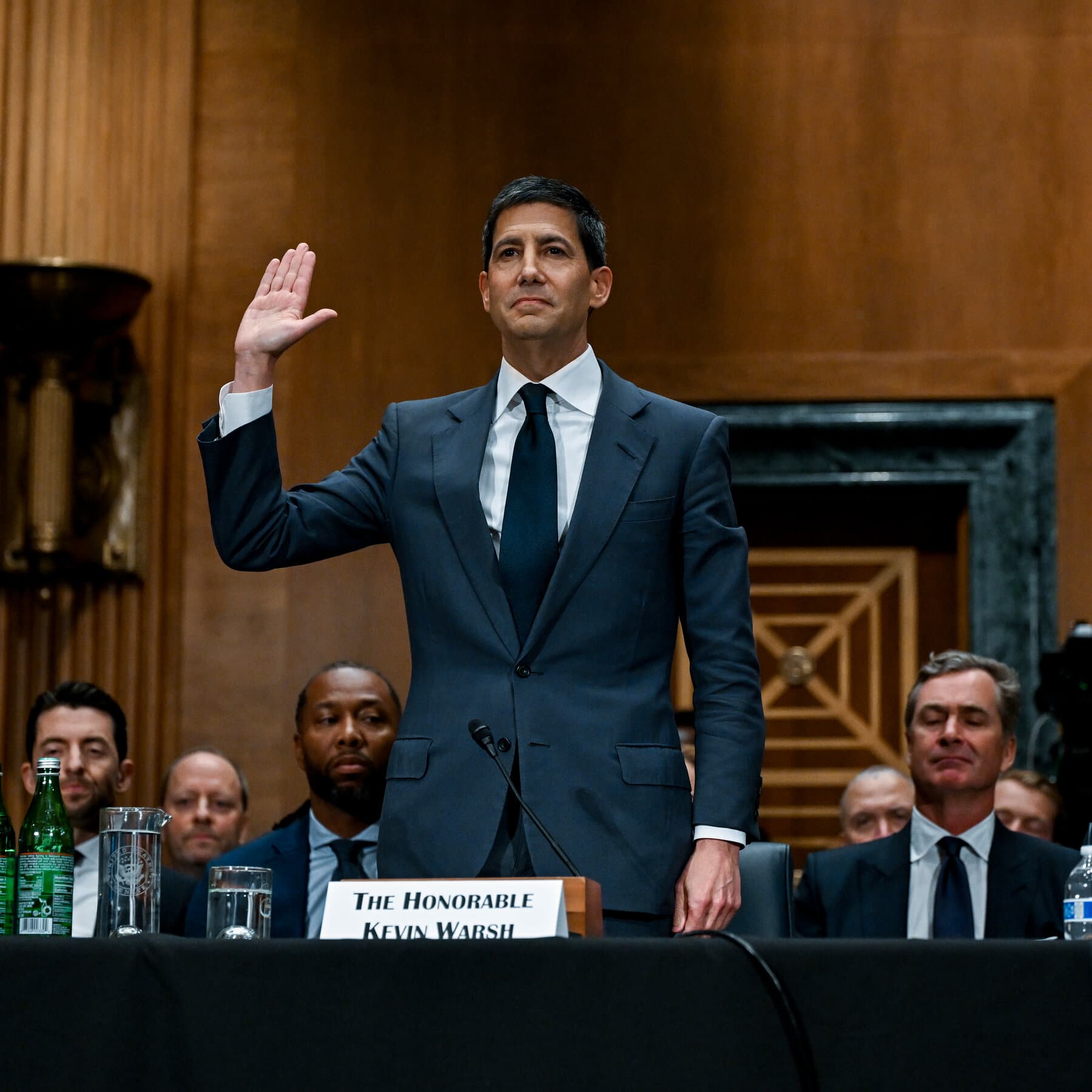
Warsh clears Senate Banking Committee, full Senate vote next
Democrats explicitly warned during the Tillis holdout resolution that Pirro retains authority to reopen the Powell probe at any time, a threat that now has direct operational relevance given Bessent's public condemnation of Powell's board retention.
Further reading


See Indexa more often on Google
Mark Indexa as a preferred source — your Top Stories will surface more Indexa coverage.