Briefing
- HKEX delivered its second consecutive quarter of record profit, driven by sustained IPO listings and elevated trading volumes in Hong Kong's equity market.
- Q2 net profit reached HK$5.38 billion (US$683.4 million), or HK$4.26 per share, exceeding the analyst consensus of HK$4.96 billion by roughly 8%.
- First-half 2026 revenue rose 17% year on year, with the exchange operator describing its position as a primary gateway for mainland Chinese companies seeking international listings.
- HKEX's CEO noted the IPO pipeline extends beyond technology, signalling that sector concentration risk in the listing calendar is diminishing.
- Total fundraising in Hong Kong has topped $40 billion in the period, a threshold that will shape how competing exchanges in Singapore and Tokyo position themselves for regional mandates.
Analysis
- HKEX's $40bn fundraising threshold and diversified IPO pipeline directly threatens Singapore Exchange and Tokyo Stock Exchange's regional mandate positioning. SGX in particular has courted Chinese technology issuers as a Hong Kong alternative; HKEX's CEO explicitly signalling reduced sector concentration removes the "HK is only for tech" objection that competing exchanges used to attract listings. Deal flow concentration in Hong Kong compounds as international banks allocate ECM resources toward the dominant venue.
- HKEX's record profit, driven partly by elevated trading in Chinese tech names, is directly reinforced by Alibaba Cloud's 45% revenue growth and Unitree's 629% IPO surge on Shanghai's Star market. These stories compound: strong earnings from listed Chinese tech issuers generate secondary trading volume on HKEX, which feeds HKEX's transaction levy revenue. A sustained pipeline of AI and robotics listings sustains this flywheel into H2 2026, supporting HKEX's earnings multiple rather than mean-reverting post-record.
- The Evergrande life sentence and ongoing property sector distress create a two-speed dynamic on HKEX: technology and AI listings boom while property-linked trading volumes and sentiment remain structurally depressed. This sector bifurcation means HKEX's record profits are concentration-dependent on technology deal flow. Any regulatory tightening on Chinese tech listings or a slowdown in AI investment spend, as flagged in the Alibaba capex watch, would disproportionately compress HKEX revenue given the absence of a property recovery offset.
Historical Context
- 2021-2022
China's regulatory crackdown on tech, property, and tutoring sectors collapsed Chinese equity trading volumes and IPO activity, directly reducing HKEX transaction levy revenue and compressing the exchange's earnings multiple. The current recovery from that trough explains why back-to-back record quarters carry structural significance beyond cyclical noise.
- 2020-2021
Hong Kong's IPO market surged as Chinese tech giants including JD.com, NetEase, and Alibaba pursued secondary listings under the threat of US delistings. HKEX revenue spiked during this period, establishing the pattern where Chinese regulatory or geopolitical pressure on US-listed Chinese firms directly translates into HKEX listing and trading fee income.
- 2014
Alibaba's $25bn IPO chose NYSE over HKEX due to weighted voting rights restrictions, a loss that prompted HKEX to reform listing rules by 2018. Those reforms, allowing dual-class shares and pre-revenue biotech listings, are the structural foundation for the current IPO pipeline diversity the CEO is now citing.
Connected Events

Alibaba Cloud revenue rises 45% in June quarter, fastest growth in 22 quarters
Alibaba Cloud's 45% revenue growth in the June quarter confirms that Chinese AI infrastructure investment is accelerating, directly expanding the pipeline of technology issuers seeking international capital via HKEX listings.
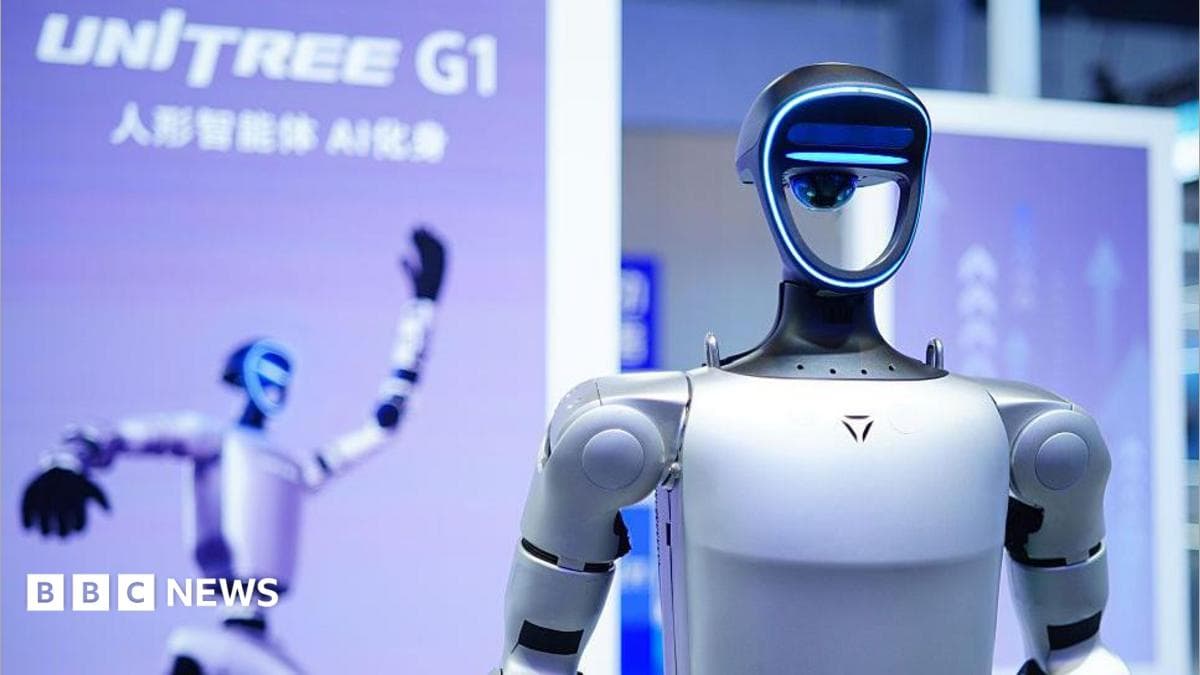
Unitree Robotics surges 629% on Shanghai debut, reaching $66bn valuation
Unitree Robotics' 629% surge on Shanghai debut demonstrates that Chinese AI and robotics listings command extreme investor demand, validating HKEX's CEO claim that the IPO pipeline extends beyond technology into adjacent high-growth sectors.
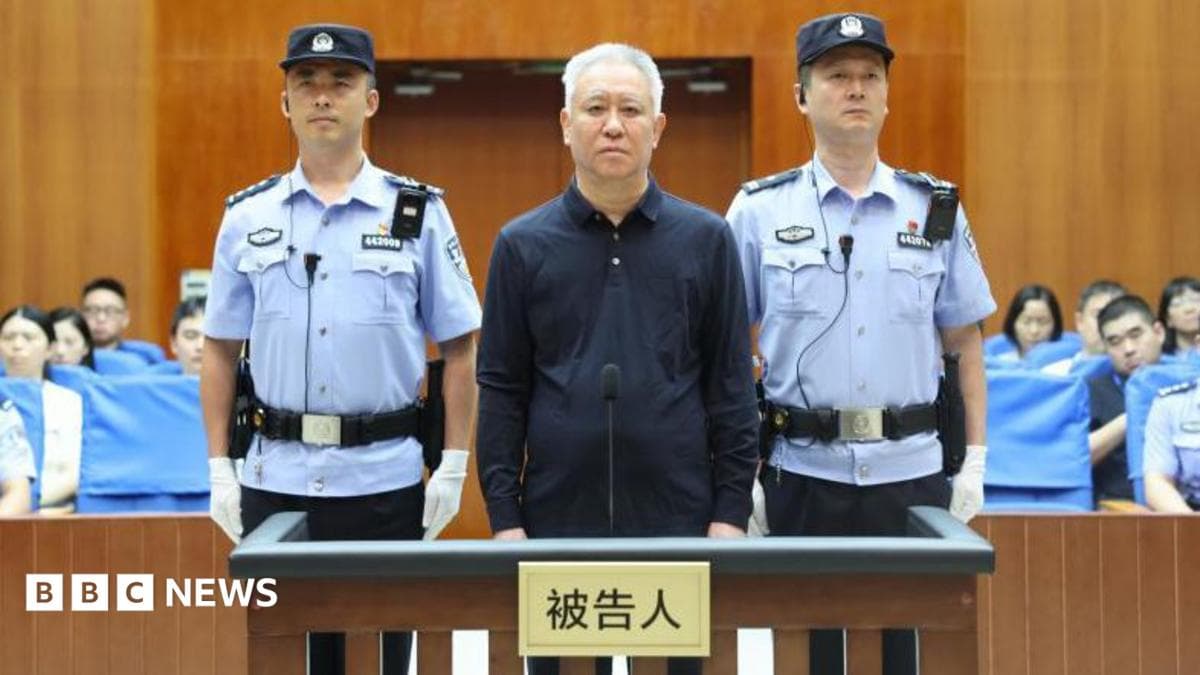
Evergrande founder Hui Ka Yan sentenced to life in prison
Evergrande founder Hui Ka Yan's life sentence closes the personal legal chapter of China's property crisis, reinforcing that property sector recovery will not contribute to HKEX trading volumes in the near term and making technology the dominant driver of any continued exchange revenue growth.
Further reading
See Indexa more often on Google
Mark Indexa as a preferred source — your Top Stories will surface more Indexa coverage.