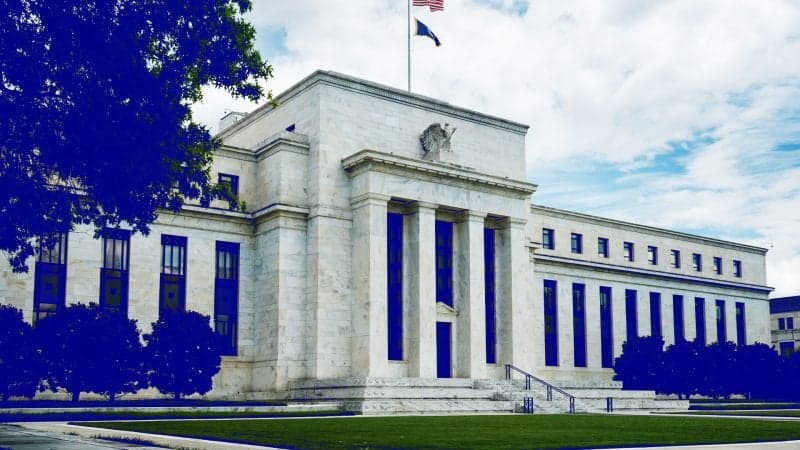
US banking regulators are preparing to vote on a proposal that would cut capital requirements for the country's largest banks by 4.8%, in what would be the most significant rollback of post-crisis financial rules in nearly two decades.
The Federal Reserve is expected to approve the measure on Thursday. The reduction would lower the amount of capital that major institutions — including JPMorgan Chase, Goldman Sachs and Morgan Stanley — must hold against risky assets, potentially freeing substantial sums for lending, buybacks or other deployment.
The proposal is framed by regulators as a means to boost bank lending, and follows sustained pressure from the financial industry to ease constraints introduced after the 2008 financial crisis. Critics of those rules have long argued they left banks overcapitalised relative to international peers and constrained credit availability.
The scale of the reduction has drawn immediate reaction. Advocates for looser rules say the change reflects a more calibrated view of systemic risk; opponents warn it unwinds hard-won protections against the kind of balance-sheet fragility that triggered the last crisis.
For Wall Street's largest institutions, a 4.8% reduction in required capital ratios is a material win. The relaxation comes at a moment when banks have been lobbying aggressively across Washington for regulatory relief, and the vote is being watched closely as a signal of how far the current administration is willing to go in reshaping the post-crisis supervisory framework.