Fed Holds, Markets Break
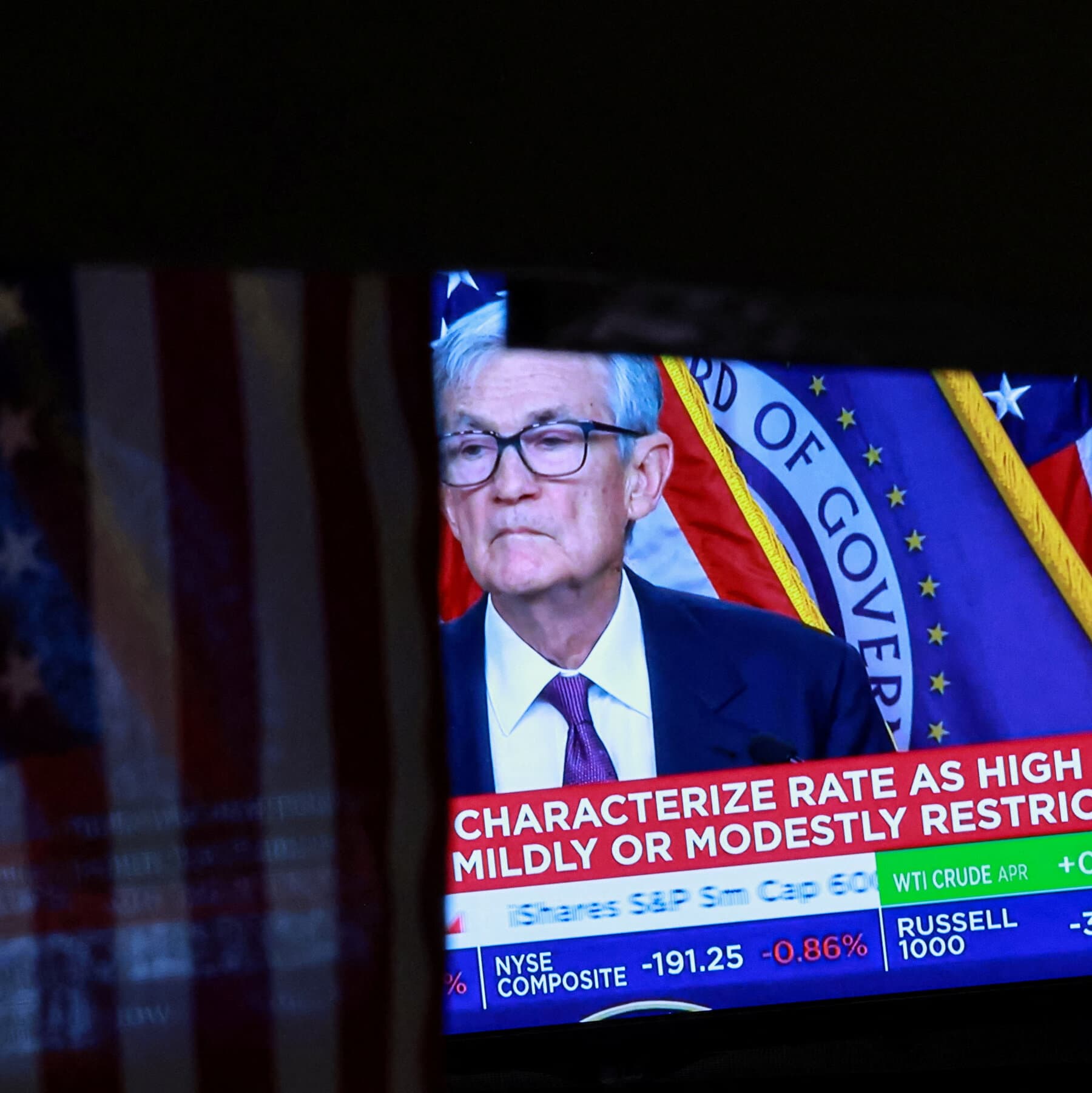
The Federal Reserve held its benchmark rate steady at its March meeting, a decision that came as little surprise. What unnerved investors was what followed: Chair Jerome Powell, in his post-meeting briefing, voiced explicit concern about inflation, and disclosed that rate-hike deliberations had taken place within the committee.
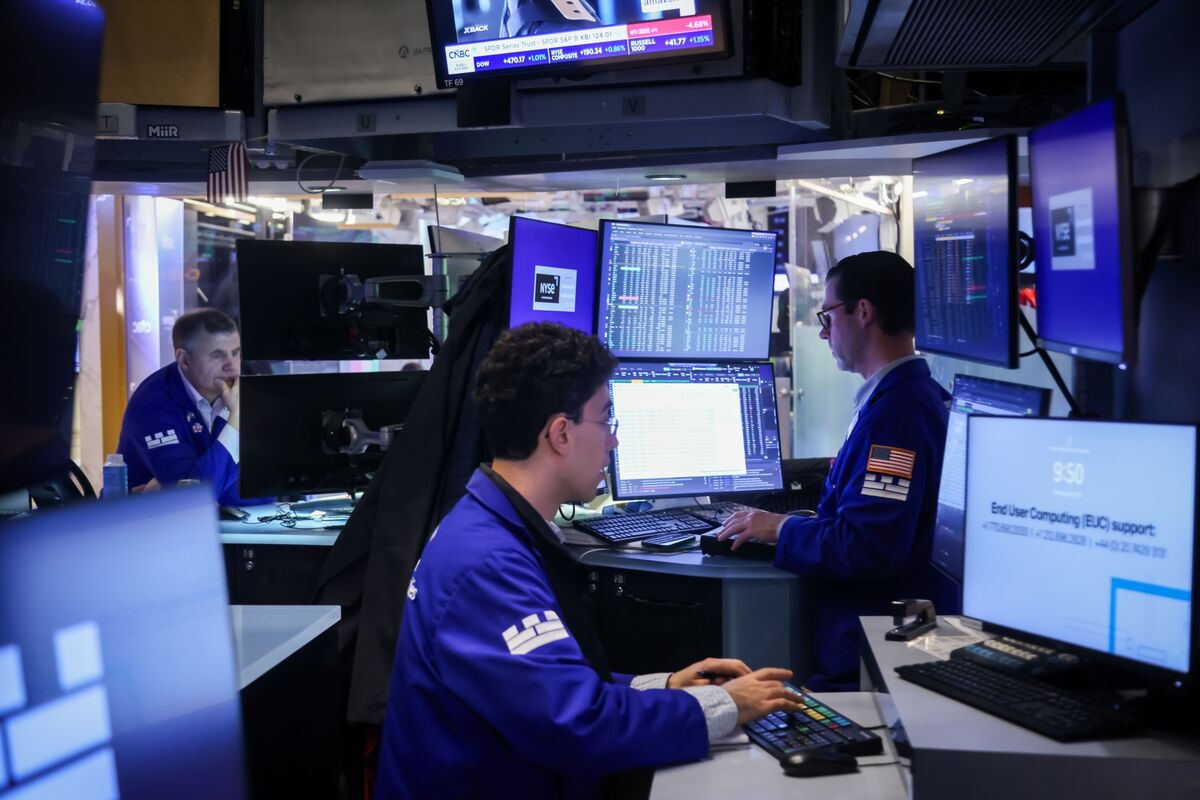
The Dow Jones Industrial Average dropped more than 750 points, closing at a new low for 2026 and delivering the worst post-Fed session in over a year. The S&P 500 and Nasdaq also fell sharply.
The session had already been under stress before the Fed announcement. February producer prices rose more than forecast, a result that complicated the Fed's already delicate balancing act and prompted an earlier Dow decline of around 450 points. Analysts at multiple outlets flagged the PPI surprise as a warning sign that price pressures remain embedded in the supply chain.
Oil amplified the mood. Global crude prices moved above $109 a barrel on the day, a level that feeds directly into both headline inflation readings and consumer sentiment. Natural gas also surged.
Powell's disclosure that rate-hike deliberations had occurred was the session's defining moment. Markets had been pricing a prolonged pause; any shift toward tightening would reshape expectations for corporate borrowing costs, equity valuations, and the growth outlook across rate-sensitive sectors.
The breadth of the sell-off suggests the repricing was broad rather than confined to growth or technology stocks. Whether This is a durable reset in rate expectations or a single-session overreaction will depend heavily on upcoming CPI data and the trajectory of energy prices.