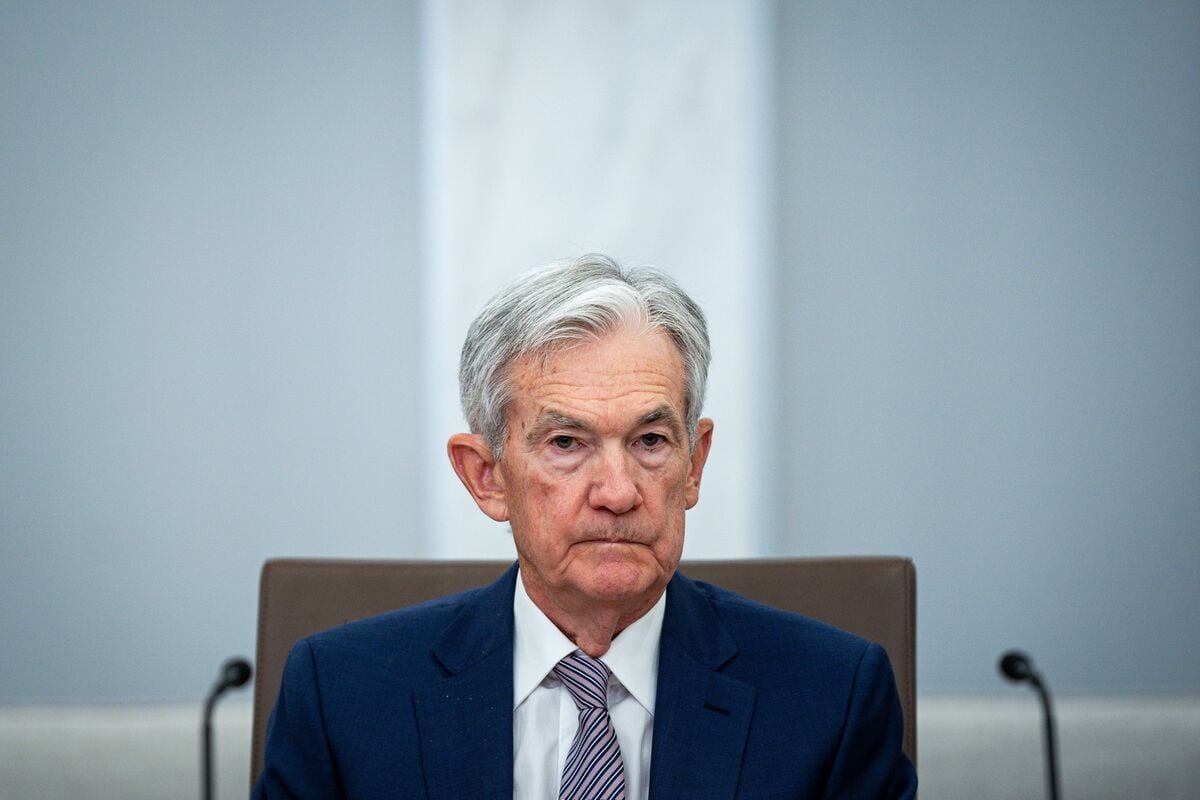
The White House and Justice Department have cleared the way for a DOJ investigation into Federal Reserve Chair Jerome Powell to proceed, according to Bloomberg, a move that has created an unexpected political trap for the Trump administration.
Powell responded by digging in. He said publicly he would remain in his post until Jeanine Pirro's probe is "well and truly over," according to CNN, turning a mechanism intended to pressure him into an argument for his own continuity. The Fed chair has statutory protection against removal except for cause, and an active DOJ inquiry arguably strengthens his legal position to resist any presidential attempt to dismiss him.
The probe is already complicating the administration's succession plans. Trump has signalled interest in nominating Kevin Warsh to replace Powell, but with the investigation ongoing and Powell refusing to step aside, the path to that transition is unclear, CNBC reported. Powell's term as chair runs until May 2026, though he holds a seat on the Fed's board of governors until 2028.
The standoff matters beyond personnel. Markets have been sensitive to any signal of White House interference with Fed independence, and an unresolved legal confrontation between the executive branch and the sitting chair introduces a new layer of uncertainty over monetary policy at a moment when rate decisions carry particular weight. The Fed's independence is a foundational assumption in sovereign debt pricing and dollar credibility, and any erosion of that principle has historically drawn sharp reactions from bond markets.
Whether the DOJ probe has substantive legal merit or is primarily a political instrument remains unclear from the available reporting. What is clear is that it has produced the opposite of its apparent intent: Powell is more entrenched, not less.