Briefing
- Two former Robinhood engineers face federal fraud charges for allegedly trading ahead of the platform's own token listing announcements, exploiting non-public information for personal gain.
- Each defendant allegedly earned more than $50,000 by taking positions in Hyperliquid perpetual futures contracts before Robinhood made listings public.
- The trades took place between 2025 and 2026, according to prosecutors, spanning multiple listing events.
- No direct quotes from named individuals were available in the source reporting.
- The case sets a precedent for applying securities-style insider trading logic to crypto listing activity, a framework regulators and prosecutors have been expanding; further charges against exchange employees at other platforms are a plausible next step.
Analysis
- Crypto exchanges face a concrete compliance cost escalation as DOJ applies securities-style insider trading logic to listing decisions. The Robinhood case is the first federal prosecution of exchange employees for front-running token listings; other platforms whose employees hold non-public listing schedules now face plausible successor indictments. Coinbase, Kraken, and Gemini will likely impose stricter information barriers and mandatory pre-clearance for employee trading, directly raising operational costs at a moment when the Clarity Act failure has already removed the regulatory perimeter these firms needed.
- HOOD faces reputational and regulatory overhang even though the charged individuals are former employees. The perpetual futures vehicle used, Hyperliquid, means the scheme bypassed Robinhood's own systems, but the exploitation of Robinhood-specific non-public listing schedules still implicates the platform's internal information controls. Regulators may require Robinhood to demonstrate that listing committees are walled off from trading functions, adding compliance burden at a time when the firm is building Robinhood Chain on Arbitrum and expanding its crypto listings ambitions.
- The Clarity Act's failure, now confirmed by the 49-50 cloture vote, compounds the exposure of this case: without a federal framework defining what constitutes insider trading in crypto, DOJ is building case law through prosecution rather than statute. Each successful conviction expands the prosecutorial template, increasing legal uncertainty for all exchange employees and market makers who trade tokens their employers list. This path-dependent enforcement approach is structurally more unpredictable for the industry than a codified rule would be.
Historical Context
- 2022-2023
DOJ charged a former Coinbase product manager and associates with wire fraud for trading ahead of Coinbase's asset listing announcements. That case established the prosecutorial template now applied to Robinhood employees, confirming that listing schedules constitute material non-public information regardless of whether crypto tokens are classified as securities.
- 2021
SEC charged Coinbase ex-manager Ishan Wahi under securities laws, while DOJ charged under wire fraud, reflecting the same dual-track enforcement logic visible here. The split approach allowed prosecution to proceed without resolving the security-versus-commodity classification question, a precedent directly applicable to the Robinhood case.
- 2014
The Second Circuit's Newman decision tightened insider trading standards for traditional securities, but DOJ subsequently routed crypto exchange cases through wire fraud statutes to avoid that evidentiary burden, a workaround that the Robinhood prosecution appears to continue.
Connected Events
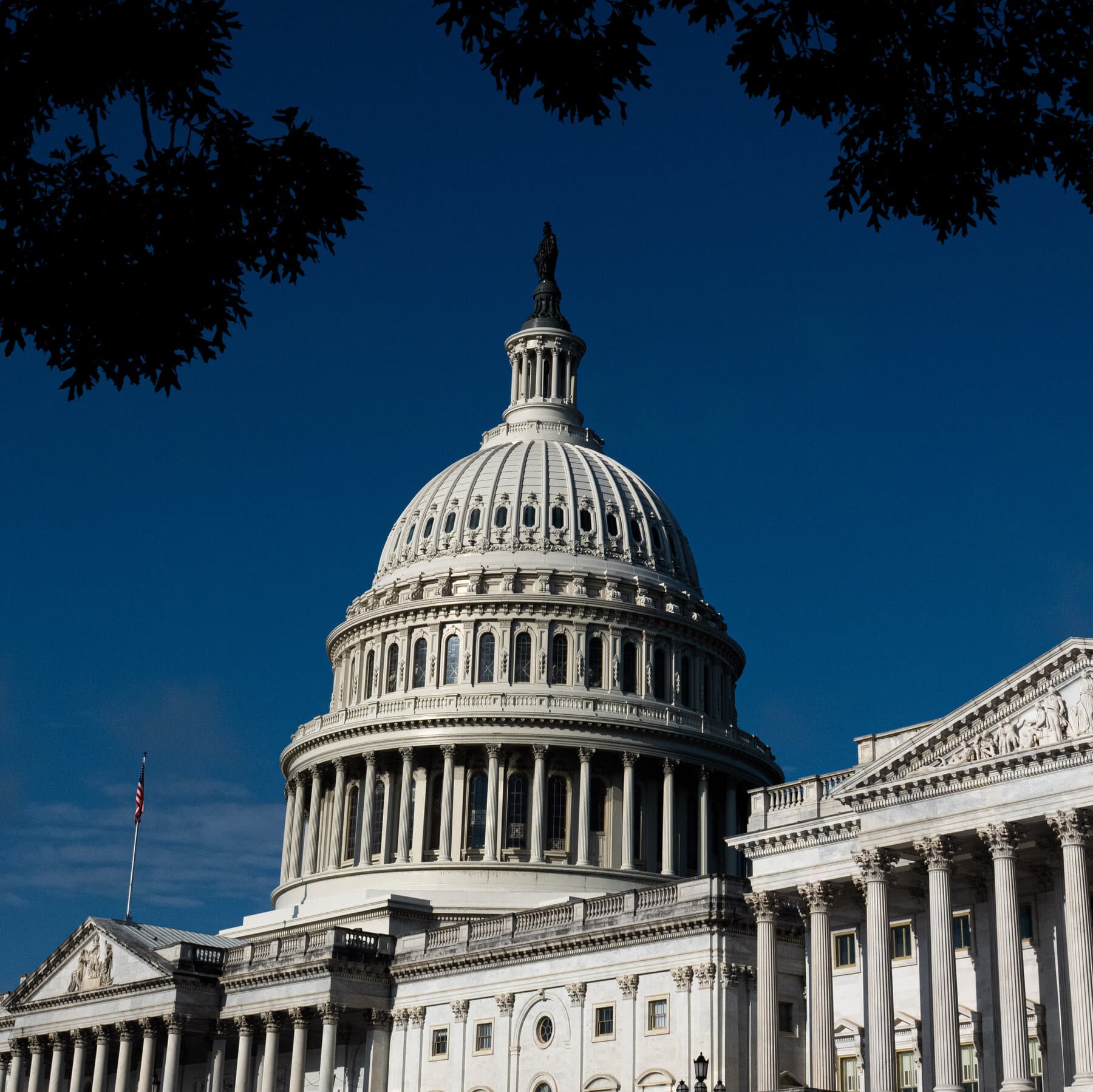
US Senate Fails to Advance Crypto Clarity Act in Cloture Vote
The Senate's 49-50 cloture vote killing the Clarity Act leaves DOJ as the de facto rule-setter for crypto market conduct through prosecution rather than statute, directly amplifying the precedential weight of the Robinhood front-running case.

Standard Chartered sets $10 ARB target by 2030, implying 70-fold gain
Standard Chartered's ARB target rests partly on Robinhood Chain's fee economics for Arbitrum. DOJ scrutiny of Robinhood's crypto listing practices creates reputational and regulatory risk for the Robinhood Chain expansion thesis that underpins that projection.

US Seeks Forfeiture of $61M in Crypto Tied to Iranian Oil Sales via Binance
DOJ's $61M Binance forfeiture action and the Robinhood front-running charges together signal a sustained DOJ enforcement posture across multiple crypto conduct categories simultaneously, raising the baseline compliance cost assumption for all US-adjacent crypto operators.
Further reading
See Indexa more often on Google
Mark Indexa as a preferred source — your Top Stories will surface more Indexa coverage.