Briefing
- Barrick will receive $1.95bn in cash from Newmont to settle a longstanding dispute over Nevada mining operations, removing the primary legal obstacle to a planned IPO of Barrick's North American gold assets.
- The settlement is structured to accompany a combination of select mines from both companies, which forms the operational basis for the IPO vehicle.
- Barrick is targeting completion of the North American gold assets IPO by year-end, according to terms disclosed alongside the settlement.
- Portfolio managers should watch whether the $1.95bn cash inflow is returned to shareholders or deployed to reduce leverage ahead of the listing, as that decision will shape the relative value case for both the rump Barrick entity and the IPO vehicle.
Analysis
- Barrick's $1.95bn cash receipt creates an immediate capital allocation binary that will determine relative value between GOLD and the IPO vehicle: if proceeds reduce leverage, rump Barrick's credit profile improves but the IPO entity captures the asset-level upside; if returned to shareholders, Barrick's near-term yield case strengthens but the IPO is funded on a thinner balance sheet. The market's pricing of this decision will be the dominant GOLD catalyst before year-end.
- The IPO of a combined Barrick-Newmont Nevada asset vehicle introduces a new pure-play North American gold equity instrument at a moment when gold has been supported by safe-haven demand and Fed uncertainty. The listing competes directly for gold-equity allocation against both parent companies, and institutional investors with existing GOLD or NEM positions must decide whether to rotate into the IPO vehicle, which may carry a lower jurisdictional risk premium than each parent's global portfolio.
Historical Context
- 2019
Barrick and Newmont formed the Nevada Gold Mines joint venture in 2019 after a hostile takeover attempt by Barrick failed. That JV became the operational precursor to the current dispute, meaning the $1.95bn settlement resolves friction embedded in the original JV structure rather than a new conflict.
- 2019
Newmont's acquisition of Goldcorp in 2019 for roughly $10bn established the precedent of major gold producers using asset combinations to create portfolio restructuring optionality. The Nevada settlement follows the same logic: asset rationalization between majors enabling a capital markets event rather than direct M&A.
- 2015
Antofagasta's partial IPO of its Los Pelambres copper asset in Chile demonstrated that spinning out high-quality single-jurisdiction mining assets into a listed vehicle can command a valuation premium over the diversified parent, the same thesis underpinning Barrick's Nevada IPO rationale.
Connected Events

Fed Governor Cook signals openness to rate hike if disinflation stalls
Gold sector valuations are being repriced against a backdrop of elevated safe-haven demand and live Fed tightening risk, as Cook's conditional hike language raises the real-rate ceiling that typically caps gold. A North American gold IPO launching into this environment faces a more complex gold price outlook than if the listing had occurred during the peak geopolitical risk premium of July.
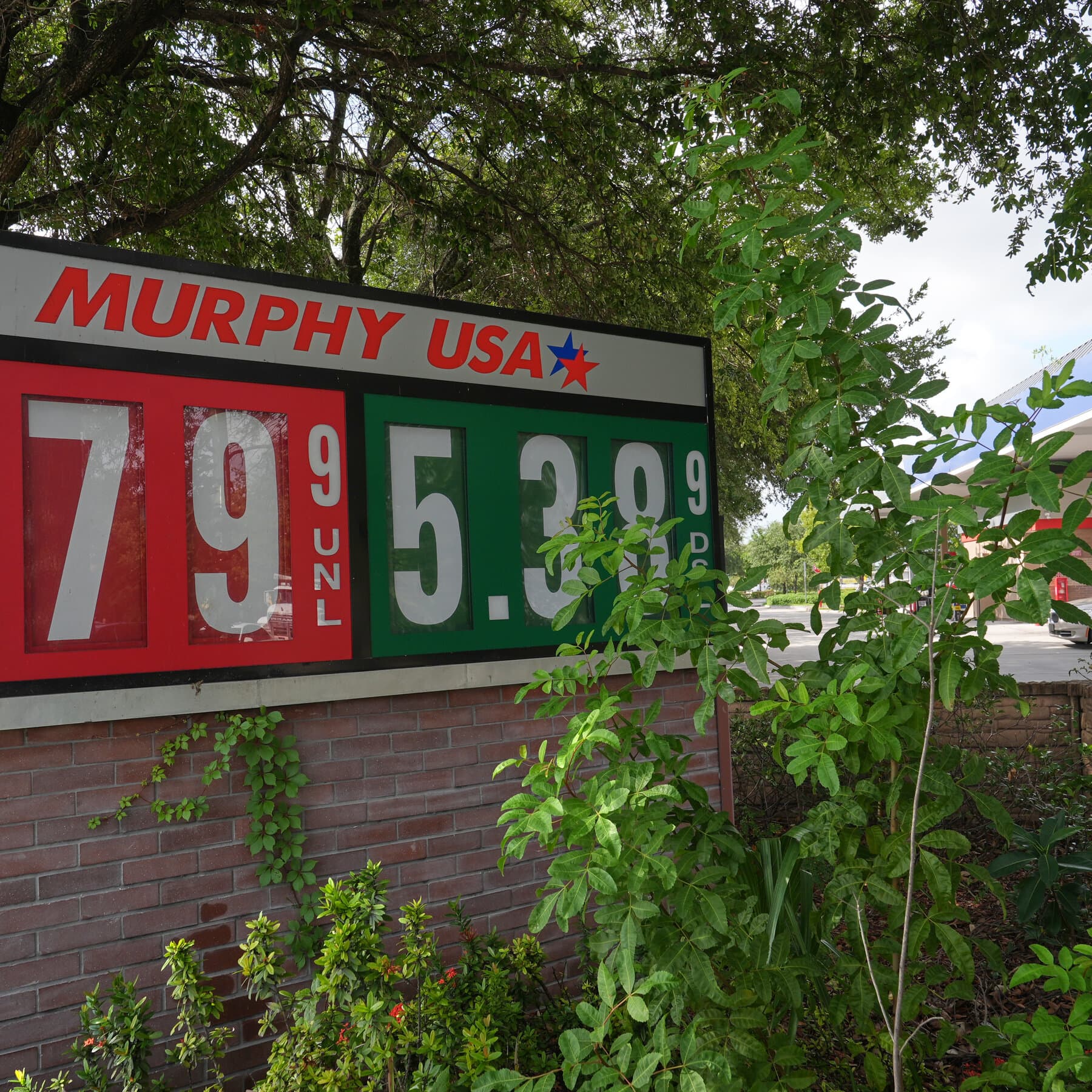
Oil drops 5% as Trump cancels Iran strike and signals peace talks
Trump's cancellation of Iran strikes and the associated 5% Brent selloff shifted institutional capital flows away from commodity risk assets broadly. To the extent that oil and gold were held together as geopolitical hedges through July, the unwinding of oil longs may have reduced co-movement support for gold equities, creating a less favorable entry environment for a gold-sector IPO.
Further reading



See Indexa more often on Google
Mark Indexa as a preferred source — your Top Stories will surface more Indexa coverage.