Briefing
- Bank of America's guidance for a greater-than-10% drop in Q3 investment banking fees triggered a broad sell-off in bank stocks, with BAC shares falling 5.60% on the day.
- CEO Brian Moynihan guided Q3 investment banking fees to $1.6-1.8 billion, a range that implies a material step down from prior-year levels.
- Moynihan described sales and trading revenue as expected to come in 'relatively flat' year-on-year, removing any hope of a trading offset to weaker advisory and underwriting income.
- The warning dragged broader financial services stocks lower, signalling that the fee recovery anticipated by consensus for the second half is not materialising at the largest Wall Street franchises.
- Investors will now scrutinise Q3 results from JPMorgan, Goldman Sachs, and Morgan Stanley for confirmation of whether the fee pressure is sector-wide or specific to BofA's deal mix.
Analysis
- Capital markets revenue at Goldman Sachs and Morgan Stanley faces sector-wide re-rating pressure ahead of their Q3 prints, not just a BofA-specific miss. Moynihan's flat sales-and-trading guidance removes the last plausible offset to weaker advisory fees; if JPMorgan corroborates at its print, consensus H2 fee recovery assumptions across the entire bulge bracket collapse simultaneously. With 10-year yields at 5% compressing deal economics and suppressing M&A activity, the structural case for a near-term fee rebound is weakening.
- The 5% 10-year Treasury yield compounds BofA's warning by suppressing the M&A and equity issuance pipeline that drives advisory and underwriting fees. Elevated rates increase borrower cost of capital, making leveraged buyouts and large equity deals uneconomic at current multiples. A sustained 5% risk-free rate structurally delays the fee recovery the market was pricing for H2, extending the headwind into 2027 unless yields retrace materially.
Historical Context
- Q3 2023
A prior IB fee drought saw Goldman Sachs, Morgan Stanley, and JPMorgan all report sharp year-on-year declines in advisory and underwriting revenue as rate hikes froze M&A and IPO pipelines. The recovery came only after yields stabilised and deal spreads compressed, a condition not present at current 5% Treasury yields.
- 2022
The Fed's aggressive tightening cycle caused the worst investment banking fee collapse in over a decade, with industrywide IB revenues falling roughly 40% as rate volatility killed leveraged buyout financing and equity issuance windows. The current rate environment is mechanically analogous.
Connected Events

10-year Treasury yield hits highest level since 2007
The 10-year Treasury yield hitting 5% for the first time since 2007 directly suppresses the M&A and equity issuance activity that drives the advisory and underwriting fees BofA just warned would fall more than 10%, reinforcing that the IB revenue headwind is rate-driven and sector-wide rather than deal-mix specific to BofA.
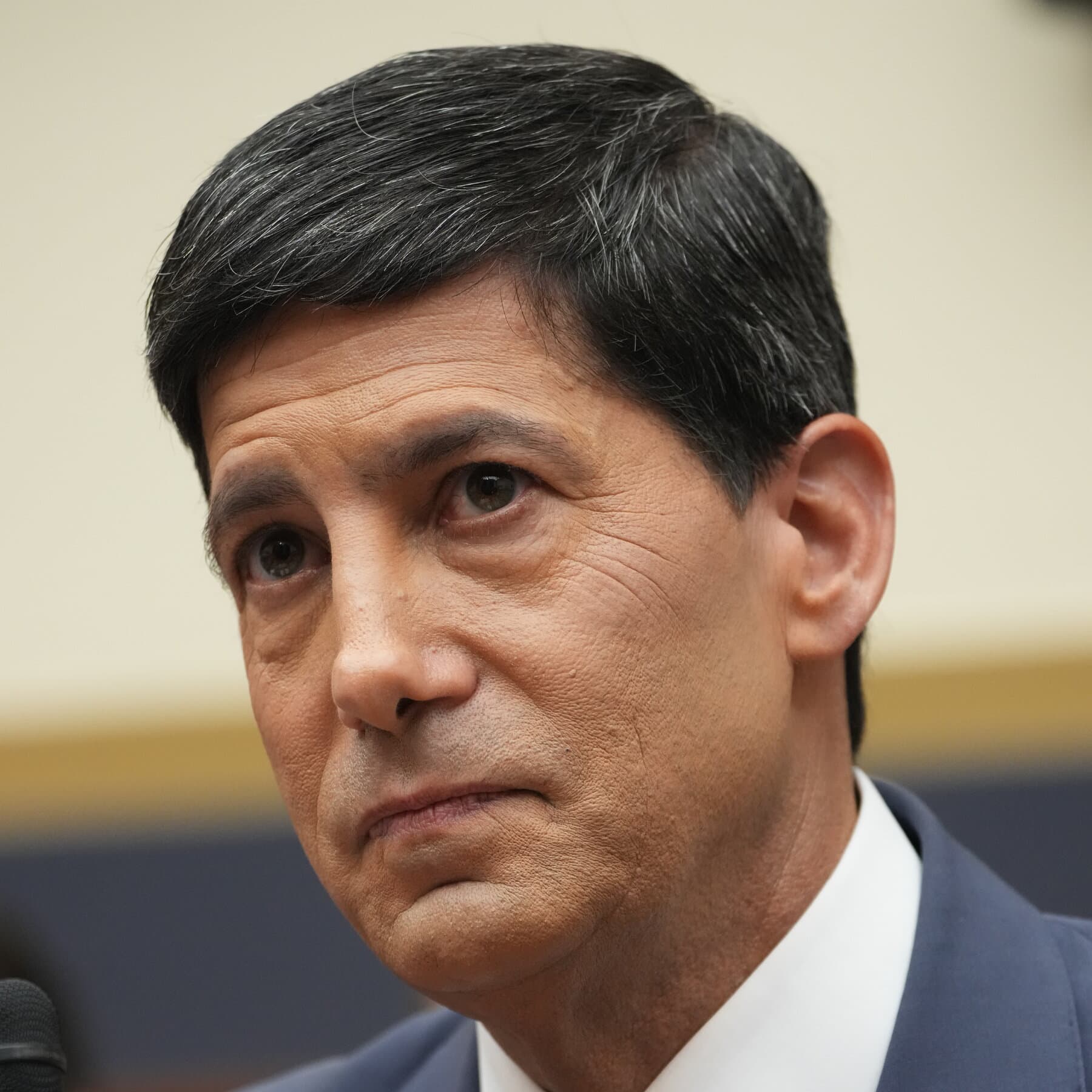
Fed's Warsh Expected to Raise Rates, Defying Trump Ahead of Midterms
The Fed is widely expected to hike rates at the September FOMC meeting, with Chair Warsh facing political pressure to act on hot inflation data. A further rate increase would tighten financial conditions and push corporate borrowing costs higher, extending the freeze on leveraged deals and IPO activity that is already weighing on IB fee pipelines.
Further reading

See Indexa more often on Google
Mark Indexa as a preferred source — your Top Stories will surface more Indexa coverage.
