Briefing
- Global oil markets face a supply crisis extending into 2027 if the Strait of Hormuz remains closed, with no normalisation possible this year unless the Iran conflict resolves within weeks.
- Aramco CEO Amin Nasser warned that a sustained Hormuz closure removes approximately 100 million barrels from the market every week.
- Aramco separately cautioned that fuel inventories are heading for 'critically low levels' as the drawdown accelerates.
- Aramco reported a 25% jump in Q1 profit, having already begun rerouting exports away from the Strait of Hormuz ahead of the closure.
- If the disruption persists beyond the near term, energy traders and refiners face the prospect of tightening physical availability through 2026 and into 2027, with little buffer from current stock levels.
Analysis
- Refinery and industrial energy consumers face structurally elevated crude costs through 2026-2027, with no supply normalisation pathway absent a Hormuz resolution within weeks. Aramco's East-West Pipeline is already at capacity, removing the only material rerouting buffer. The 100 million barrels per week supply removal cited by Nasser, compounded by 'critically low' fuel inventories, embeds persistent backwardation in crude forward curves and compresses refining margins as feedstock availability tightens ahead of summer demand.
- China's manufacturing sector faces compounding margin pressure: PPI already at a 45-month high will be pushed further by sustained Hormuz-linked energy costs that Aramco now says extend into 2027. The PBoC's easing window narrows further, delaying the monetary stimulus EM Asia equity markets have priced as a near-term support. Chinese exporters absorbing both energy cost inflation and tariff pressure ahead of the Trump-Xi summit are squeezed from both sides simultaneously.
- The Trump administration's federal gas tax suspension proposal loses political viability as Aramco's 2027 normalisation timeline makes any relief measure look temporary and cosmetic against a structural supply deficit. At 18.4 cents per gallon maximum relief against crude-driven price levels, the policy's pass-through is insufficient to durably restore lower-income consumer driving behaviour, per the NY Fed data already cited. Congressional appetite for a measure with a known expiry against a multi-year supply problem is further constrained.
Historical Context
- 2019 Sep
Drone strikes on Abqaiq and Khurais temporarily removed 5.7 million barrels per day of Saudi output. Markets spiked intraday but recovered within weeks as damage was repaired. The current scenario differs because the disruption is chokepoint-based and not repairable through production restoration alone.
- 1990-1991
Iraq's invasion of Kuwait removed roughly 4-5 million barrels per day from global supply, spiking Brent above $40. The Hormuz scenario is structurally similar but larger in weekly volume terms; the prior episode lasted months before Saudi spare capacity and SPR releases stabilised markets.
- 1980-1988
The Iran-Iraq Tanker War resulted in attacks on over 400 ships transiting the Gulf, forcing rerouting through longer paths and driving sustained freight rate spikes. The East-West Pipeline was originally built during this period precisely to bypass Hormuz; its current capacity ceiling closes that historical escape valve.
Connected Events

Saudi Aramco Q1 profit surges 26% as East-West Pipeline bypasses Hormuz conflict
Aramco's Q1 results confirmed the East-West Pipeline has reached capacity, eliminating the primary rerouting buffer and making the 1-billion-barrel supply deficit cited by the CEO structurally sticky rather than recoverable.
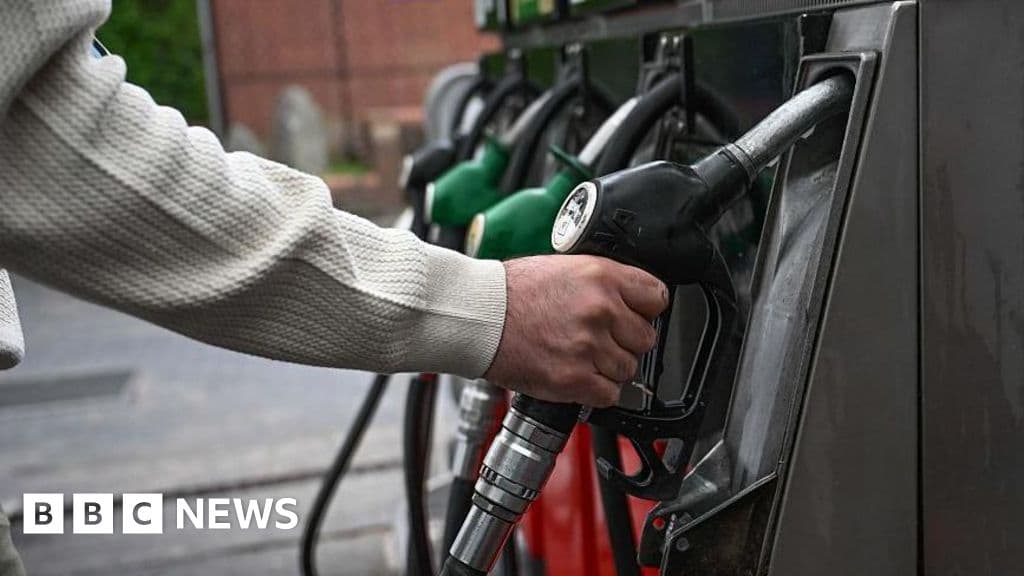
Oil rebounds as US and Iran exchange fire in Strait of Hormuz
US and Iranian forces exchanged fire in the Strait of Hormuz on May 6, with the ceasefire described as fragile by traders despite Trump's 'love tap' characterisation, reinforcing that the physical disruption underpinning Aramco's 2027 normalisation warning remains unresolved.
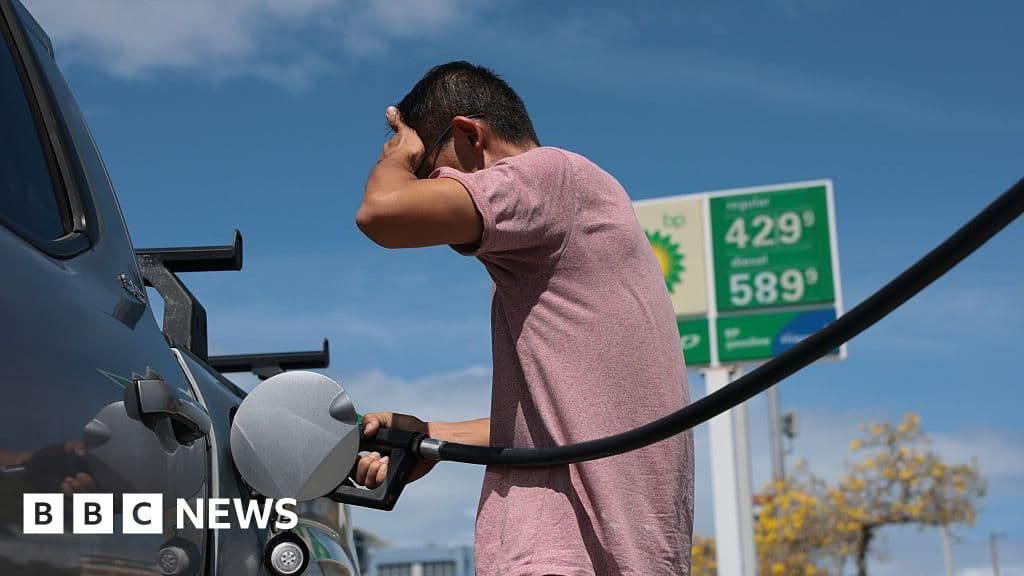
China factory-gate inflation hits 45-month high as Iran war energy shock spreads globally
China's factory-gate inflation hit a 45-month high in April driven by energy cost shock, and sustained Hormuz disruption extending into 2027 removes any near-term relief to Chinese PPI, directly compounding the PBoC's inability to ease without risking inflation overshoot.
Further reading


See Indexa more often on Google
Mark Indexa as a preferred source — your Top Stories will surface more Indexa coverage.
