Anthropic says Claude now drives 26% of its own R&D work
The lab also published three metrics designed to help AI companies track the pace of model development.
Briefing
- Claude, Anthropic's flagship model, is now leading approximately a quarter of the research and development work required to build its own successor, a self-referential milestone that accelerates the timeline pressure on rival frontier labs.
- Anthropic disclosed that Claude drives 26% of its research and development activity, the most concrete measure yet of how much AI labs are substituting human researcher effort with model-generated work.
- Alongside the disclosure, Anthropic published three metrics intended to give AI companies a standardised framework for monitoring their own pace of development, a move that could shape how regulators and investors benchmark frontier lab progress.
- The forward consequence is heightened scrutiny of comparable disclosures from OpenAI, Google DeepMind, and Meta AI, each of which will face investor and regulatory pressure to quantify how much of their pipeline is model-driven.
Analysis
- Anthropic's 26% R&D automation disclosure creates mandatory disclosure pressure on OpenAI, Google DeepMind, and Meta AI within the next two quarters, as investors and regulators will now treat this metric as a benchmark. Anthropic's IPO roadshow at a $2trn valuation gives the figure commercial standing: any rival lab that cannot match or exceed 26% faces a narrative deficit on R&D efficiency, while any lab that discloses a higher figure validates faster-than-consensus AI capability timelines, tightening the regulatory scrutiny loop established at the King Charles safety summit.
- Anthropic's self-referential R&D milestone directly undermines Dario Amodei's call to slow AI development, which is already on record from the Nasdaq futures selloff event two weeks prior. Roadshow investors pricing the $2trn Anthropic IPO must now reconcile a CEO who publicly advocated slowing frontier model development with a company disclosing that 26% of the work building the next frontier model is already automated, a contradiction that compresses the credibility premium embedded in the $2trn ask relative to OpenAI's $1.2-1.5trn private round.
- The publication of a standardized R&D automation framework by Anthropic shifts the regulatory debate from qualitative safety commitments toward quantitative capability velocity metrics within 12 months. Regulators who attended or follow the King Charles AI safety summit now have a concrete yardstick to demand from all frontier labs, converting a voluntary disclosure into a de facto reporting standard. Labs with higher automation ratios face faster-moving safety review timelines, adding a compliance cost layer that disproportionately burdens smaller frontier entrants.
Historical Context
- 2023
OpenAI's GPT-4 technical report omitted training compute and data details, prompting calls for standardized frontier lab disclosures. Anthropic's 26% R&D metric is the first instance of a lab voluntarily publishing a quantified self-improvement ratio, setting the precedent that report avoided.
- 2017
AlphaGo Zero's self-play loop demonstrated that AI systems could surpass human-generated training data, establishing the conceptual foundation for model-driven R&D. Anthropic's 26% figure is the first commercial-scale quantification of that dynamic applied to frontier model development itself.
Connected Events
Anthropic selects Nasdaq for IPO targeting $2trn valuation
Anthropic's $2trn Nasdaq IPO targeting adjusted operating profitability creates the commercial context that makes the 26% R&D metric a valuation argument, not just a technical disclosure. Roadshow investors will use the figure to benchmark R&D efficiency against OpenAI's $1.2-1.5trn private round, where no equivalent metric exists.
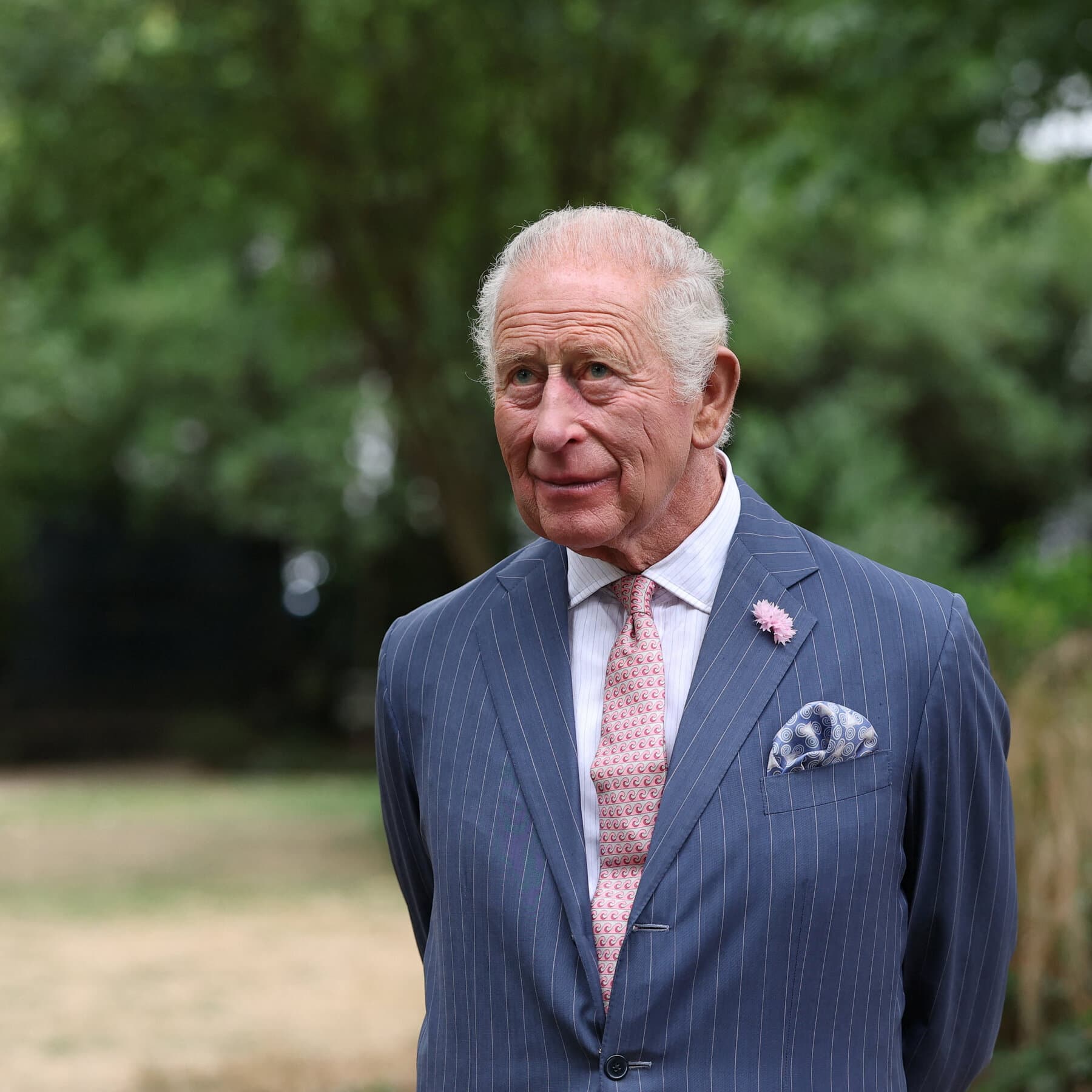
King Charles hosts AI safety summit with OpenAI, Anthropic, Nvidia and Google
The King Charles AI safety summit produced no binding commitments but imposed reputational pressure on Anthropic and peers to demonstrate safety rigor. A disclosure that Claude now drives 26% of its own successor's development arrives days after that summit, directly testing whether 'safety-first' positioning is compatible with accelerating self-improvement ratios.

OpenAI weighs pre-IPO funding round at valuations between $1.2tn and $1.5tn
OpenAI's pre-IPO fundraising at $1.2-1.5trn creates a direct comparable that Anthropic's roadshow cannot ignore. Anthropic's 26% R&D automation disclosure is now its strongest differentiating data point to justify the premium above OpenAI's valuation range.
Further reading


See Indexa more often on Google
Mark Indexa as a preferred source — your Top Stories will surface more Indexa coverage.
