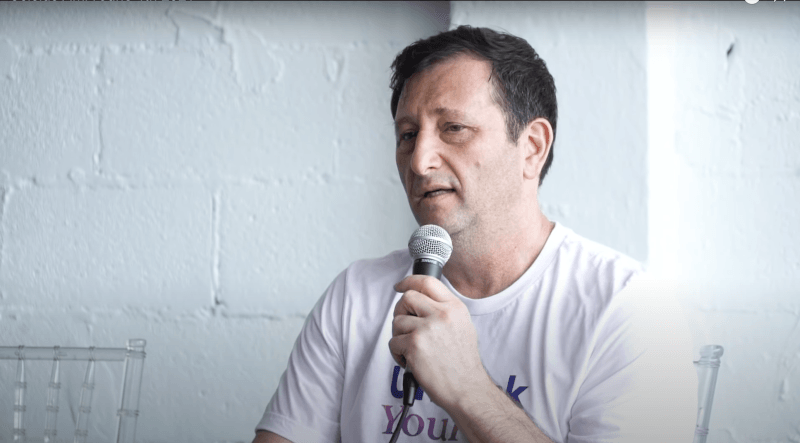
Celsius founder Mashinsky banned from crypto, pays $10M in FTC settlement
The $10M payment resolves a $4.72B judgment, which remains suspended and can be revived based on asset disclosures.
Briefing
- Alex Mashinsky, founder of collapsed crypto lender Celsius, has agreed to a $10 million settlement with the FTC and accepted a lifetime ban from the crypto industry.
- The payment represents a steep reduction from an initial $4.72 billion judgment against him, with the remainder suspended rather than forgiven.
- The FTC structured the order so the full $4.72 billion judgment can be reinstated if Mashinsky's asset disclosures prove inaccurate or incomplete.
- The settlement resolves the FTC's civil case; Mashinsky separately faced criminal charges related to Celsius's collapse, which wiped out billions in customer funds.
Analysis
- The FTC's suspended-judgment structure, where the full $4.72 billion becomes collectible if asset disclosures are found inaccurate, functions as a long-duration enforcement sword rather than a clean settlement. This precedent gives the FTC a template to resolve crypto fraud cases at low immediate cost while retaining coercive leverage indefinitely, lowering the agency's resource threshold for pursuing future crypto executive enforcement actions and reducing the settlement finality value for defendants.
- The lifetime crypto industry ban on Mashinsky, combined with the SBF conviction standing after Kaplan's denial and Canada's ATM ban proposal, forms a regulatory tightening pattern across North American jurisdictions. Collectively these developments raise compliance and reputational risk for centralized lending platforms specifically, as the FTC's successful pursuit of Celsius's business model signals that yield-bearing crypto accounts will face heightened scrutiny, directly affecting any platform offering similar products.
Historical Context
- Nov 2023 - Mar 2024
SBF was convicted on all seven counts and sentenced to 25 years. The FTX and Celsius collapses, occurring within months of each other in 2022, established the factual predicate for both criminal and civil enforcement tracks running simultaneously against crypto executives, the same dual-track structure now resolved in Mashinsky's civil case.
- 2022
Celsius froze customer withdrawals in June 2022 and filed for bankruptcy in July, wiping out billions in retail depositor funds. The collapse exposed the structural mismatch between Celsius's yield promises and its actual lending book, the core misrepresentation the FTC's $4.72 billion judgment was based on.
- 2003
The FTC used suspended-judgment structures in consumer fraud settlements during the early 2000s telemarketing enforcement wave, allowing the agency to pursue defendants for the full amount if they misrepresented their assets. The Mashinsky settlement applies this same mechanic to a crypto context, giving it renewed relevance as an enforcement tool.
Connected Events

Judge Kaplan rejects Sam Bankman-Fried's bid for new trial
Judge Kaplan's denial of SBF's new trial motion the same day as the Mashinsky settlement closes out the two highest-profile crypto fraud civil and criminal proceedings simultaneously, removing headline legal uncertainty but keeping appellate risk alive for FTX counterparties.

Canada proposes ban on crypto ATMs citing fraud and money laundering
Canada's proposed crypto ATM ban, announced the same day, extends the North American regulatory tightening pattern from executive accountability into retail access infrastructure, suggesting coordinated or parallel policy momentum against high-risk crypto distribution channels.
Further reading


See Indexa more often on Google
Mark Indexa as a preferred source — your Top Stories will surface more Indexa coverage.